

Cashing Out: A Documentary on Aids Profiteering and Survival
In the Oscar-shortlisted documentary short Cashing Out, director Matt Nadel delves into the little-known world of viatical settlements during the HIV/Aids epidemic. This industry saw dying LGBTQ+ individuals sell their life insurance policies for cash, a practice described as both ghoulish and liberating.
A Personal Revelation Sparks a Film
During the Covid-19 pandemic in 2020, Nadel, aged 26, was in Boca Raton, Florida, discussing pharmaceutical profits with his father, Phil. Phil revealed he had invested in viatical settlements, buying policies from people dying of Aids. This disclosure sent Nadel, an openly gay film-maker, into a spiral, as he realised his childhood was bankrolled by profits from this morbid trade.
Nadel explained, "I understand myself as somebody who stands on the shoulders of Aids activists... and here I was learning that my existence and privilege was hinged in some way on those same people dying." This personal connection drove him to investigate the history, leading to the creation of Cashing Out.

The Dual Nature of Viatical Settlements
The documentary highlights how viatical settlements provided financial relief for some while excluding others. Scott Page, a key figure in the film, arranged an early settlement for his partner, Greg, who had Aids. This allowed Greg to live his final months with less stress, moving into a house and getting a golden retriever. Page recalls, "It was absolutely transformative... I saw the stress leave his body."
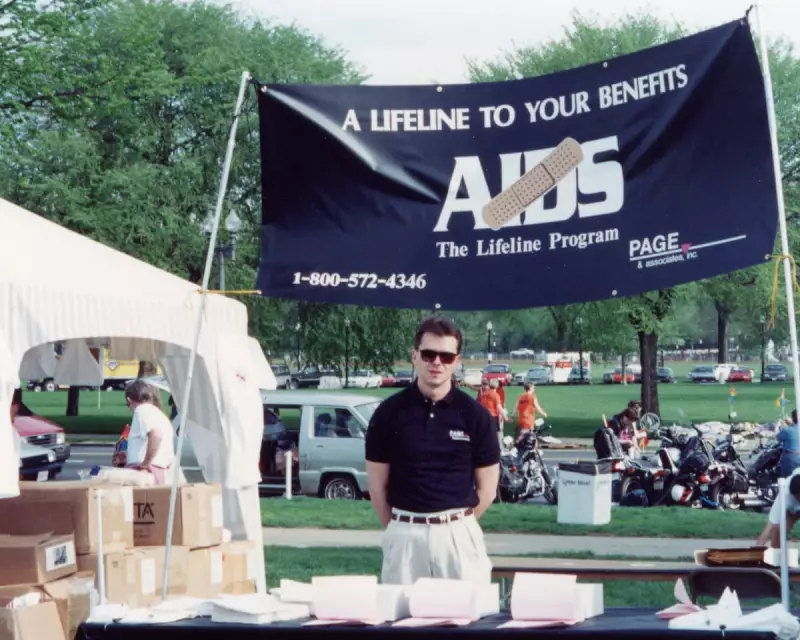
Inspired, Page became a broker, helping other gay men access funds when families had abandoned them. Initially, private investors dominated the market, using ledgers that listed policy values alongside T-cell counts and life expectancies. The sicker the policyholder, the quicker the investor's payout.
Marginalised Voices and Systemic Failures
However, the film underscores disparities. DeeDee Chamblee, a Black trans activist, notes that many like her lacked life insurance policies, making viatical settlements unattainable. She fantasised about a payout to die in peace but faced the grim reality of a potter's field burial. Nadel realised the most marginalised, such as trans sex workers of colour, were denied basic dignity in death.
By the late 1990s, antiretroviral therapies extended lives, disrupting the industry. Investors found themselves paying premiums on policies that never paid out. Nadel comments, "Anybody who invested their whole retirement in viaticals was making a really bad investment decision."
A Broader Critique of Healthcare Access
Nadel's film serves as an indictment of the US social safety net, linking past and present healthcare precarity. He states, "When the government refuses to fulfil its role in taking care of us, we have to come together and find creative ways to take care of each other." Cashing Out encourages viewers to find allies in the fight for survival, highlighting that illness does not discriminate.
The documentary, available on YouTube, blends personal narratives with historical context, offering a poignant reminder of resilience amid systemic failure.






