

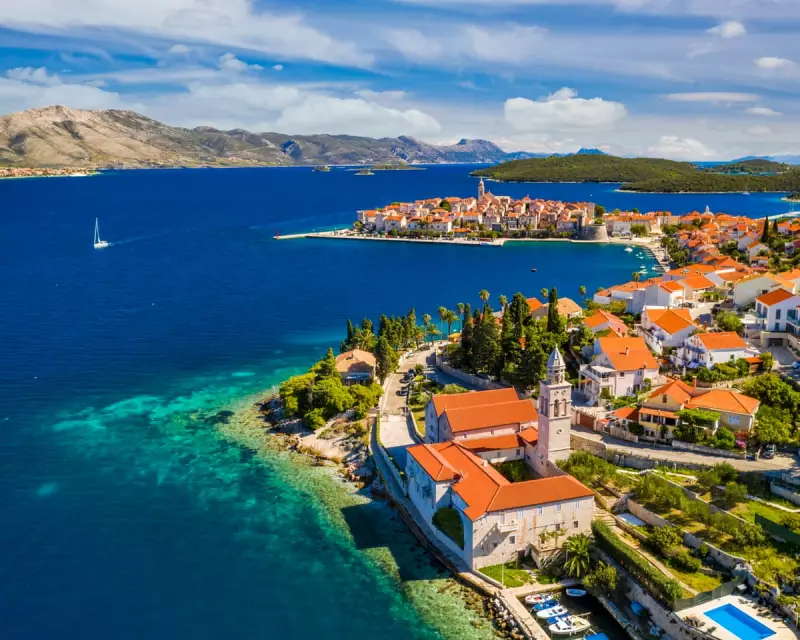
As the winter chill sets in, thoughts across the UK are turning to sunnier climes. Despite ongoing cost-of-living pressures, the annual summer holiday remains a non-negotiable for many households, with travel firms forecasting a 5% rise in bookings for 2025. If you're among those plotting an escape, navigating the booking process wisely is crucial to safeguarding your money and ensuring a stress-free break.
The Package Holiday Advantage: Your Financial Safety Net
While piecing together a DIY trip can feel adventurous, a package holiday offers unparalleled peace of mind. All UK companies selling flight-inclusive packages must be part of the Air Travel Organisers' Licensing (Atol) scheme. This protection, activated when you book a combined flight and hotel package with a UK-based firm, ensures you won't be left stranded or out of pocket if the operator collapses.
Guy Hobbs, a travel expert at Which?, strongly advocates for packages. "We always recommend booking a package holiday as the Atol scheme ensures you won't be left out of pocket or, worse, stranded abroad if your holiday company were to go bust," he states. Crucially, Atol is not a substitute for travel insurance and won't cover you for illness preventing travel.

Under the Package Travel Regulations, the operator is legally responsible for resolving issues, from wildfire disruption to substandard hotels. A 'package' is broadly defined: if you buy two major elements like flights and accommodation in a single transaction from the same company, it qualifies. This could be a Mediterranean cruise or a guided cycling tour in Sri Lanka.
Online travel agents like Expedia or Lastminute.com can offer Atol-protected breaks, but you must read their policies carefully. Lastminute.com specifies protection applies to flight + hotel packages or flight + car rentals booked together. For cruises or flight-free packages, look for protection from associations like Abta (Association of British Travel Agents) or the Travel Trust Association.
Smart Payment Strategies and Navigating Refunds
Your payment method is a critical line of defence. Paying with a credit card is the gold standard. For purchases between £100 and £30,000, Section 75 of the Consumer Credit Act makes your card provider jointly liable if something goes wrong. This protection does not apply to debit cards, though you may attempt a chargeback, and it is absent for direct bank transfers.
Be wary of Buy Now, Pay Later (BNPL) options offered by holiday firms. While convenient, they typically lack robust financial protection, leaving you to pursue the retailer directly in case of disputes. Remember, for Section 75 to apply, you must have paid the supplier directly; it is not available for flight-only bookings made via an online travel agent.
Refund policies vary significantly. Most package holidays are refundable on a sliding scale. With Jet2holidays, cancelling 70+ days before departure costs you the deposit, with penalties increasing closer to the date. For self-booked flights, terms are often strict: Ryanair does not refund cancellations, while easyJet permits cancellation within 24 hours for a £49 fee.
Platforms like Booking.com and Expedia allow you to filter for 'free cancellation' accommodation, but this flexibility comes at a premium. Our check found the extra cost for a free-cancellation rate in Amsterdam around Valentine's Day ranged from 4% to 40% more than a non-refundable rate.
Essential Insurance and Cost-Saving Insights
One of the biggest mistakes travellers make is delaying insurance purchase. Buy your policy as soon as you book to secure vital cancellation cover from that moment. This protects you if a serious illness or accident affecting you or a close relative forces you to cancel.
"We can't emphasise enough how important it is to buy travel insurance as soon as you book," advises Hobbs. He cautions against policies sold by holiday companies or airlines, noting they are "not usually any cheaper, and it's certainly not better." Be meticulously honest about medical conditions and update your insurer with any changes to maintain valid cover.

On costs, a Nationwide poll reveals travel is a top priority for Brits in 2026, with planned average annual spends of £5,517 on long trips and £2,348 on short breaks. For value, Spain's Costa Blanca leads as the cheapest European peak-summer destination, with average weekly costs under £900 per person in August, according to Which? Travel. The Costa Brava and Costa Dorada also rank in the top ten.
Contrary to January sales hype, Which? analysis of over 40,000 package prices last year found they often dropped after January, with July being the cheapest month to book an August holiday for destinations like France and Turkey. However, with demand rising this year, waiting risks reduced availability.
By prioritising financial protection through Atol packages, using credit cards, and securing immediate insurance, you can plan your 2025 getaway with confidence, focusing on the anticipation of azure waters rather than potential pitfalls.





