

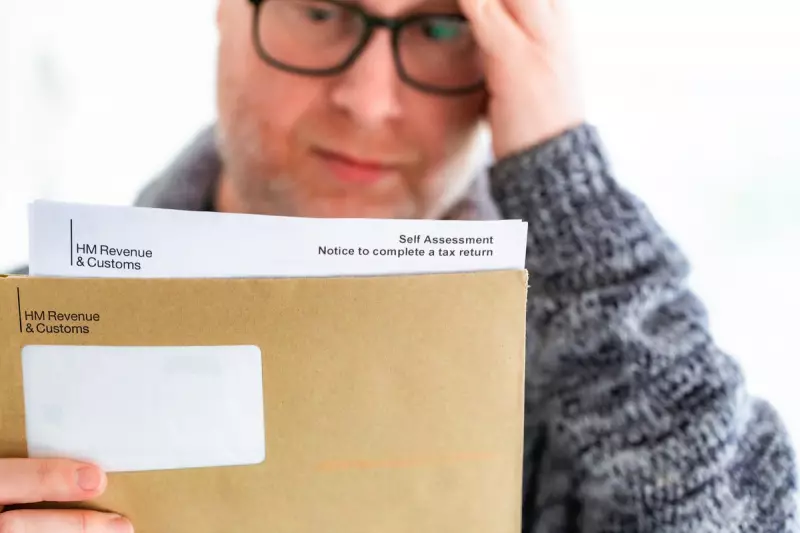
Government Aid Scams Surge: How to Spot Sophisticated Fake Communications
Official communications offering financial assistance have become commonplace in today's economic climate, with messages about energy bill discounts, payment holidays, and debt support schemes landing in millions of inboxes and mailboxes weekly. However, this legitimate surge has created a dangerous opening for criminal enterprises seeking to exploit vulnerable households.
The New Face of Financial Fraud
Scammers have moved beyond crude approaches to develop highly sophisticated impersonation tactics. Fraudsters now meticulously mimic the tone, branding, and precise wording of genuine organisations, making their deceptive messages appear reassuringly familiar to recipients. This evolution in criminal methodology has made distinguishing between legitimate and fraudulent communications increasingly challenging.
"Scams can be sophisticated and hard to spot," confirmed a Financial Conduct Authority spokesperson. "Our recent warning about fake FCA communications highlighted just how convincing these approaches have become, with fraudsters lifting wording, logos and formatting directly from genuine FCA updates."

Why Current Conditions Enable Scammers
The ongoing cost-of-living crisis has created particularly fertile ground for these fraudulent operations. When households face financial pressure, unexpected messages offering support or warning of problems can appear plausible - even welcome - rather than suspicious. Criminals understand this psychological vulnerability and deliberately exploit it.
Scammers demonstrate remarkable timing in their approaches, frequently aligning their fraudulent communications with current events such as tax deadlines, benefit payment cycles, or energy support scheme announcements. This strategic alignment makes their messages feel immediately relevant and urgent to recipients.
The Emotional Manipulation Tactics
Fraudulent communications are deliberately designed to trigger strong emotional responses. Common tactics include creating panic about losing access to funds, instilling fear of penalties, or generating false hope about financial relief. Urgency remains a cornerstone of these approaches, with messages frequently containing instructions to act "immediately" or within unrealistically short time windows.
Jonathon Ellison, director for national resilience at the National Cyber Security Centre, warned: "As our reliance on digital devices grows, opportunistic cyber criminals will increasingly look to take advantage, targeting the public with scams designed to steal access to important online accounts."
The Artificial Intelligence Threat
The next wave of scams promises to be even more difficult to detect. Artificial intelligence technology now enables criminals to generate highly polished messages that closely resemble official communications, reducing traditional red flags that might alert recipients to fraudulent activity.
An FCA spokesperson explained: "We expect impersonation scams to become even more sophisticated in 2026. The growing use of AI means fraudsters can now generate highly polished emails, texts and even phone scripts that closely mimic the language of regulators, banks, and government bodies."
Essential Warning Signs to Recognise
Despite their increasing sophistication, most scams still share identifiable characteristics:
- Claims of authority from official-sounding organisations
- References to current events or financial support schemes
- Attempts to trigger strong emotional responses
- Pressure to act within urgent deadlines
- Requests for sensitive information or immediate payments
Reena Sewraz, Which? money expert, emphasised: "Scammers will use a wide range of methods to try to catch out their victims, and the rise of artificial intelligence will make it harder to detect what's real and what's not. But there are some tell-tale signs of fraud attempts that consumers should be wary of."

Practical Protection Strategies
Verification represents the strongest defence against these sophisticated scams. The Financial Conduct Authority strongly recommends using their Firm Checker service before engaging with any financial service provider.
"Whether you're considering an investment, pension opportunity, loan or other financial service, use FCA Firm Checker to check their firm is authorised and help avoid scams," advised an FCA spokesperson. "You should use it to check the contact details match what you've been given. If they don't, it's a major red flag."
Additional protective measures include:
- Never using contact details provided within suspicious messages
- Independently verifying organisations through official websites
- Taking time to pause before responding to urgent requests
- Reporting suspicious communications to relevant authorities
- Remembering that legitimate organisations won't pressure immediate action
As official financial assistance becomes more visible within public consciousness, criminal attempts to impersonate these legitimate channels will inevitably increase. Developing awareness of these sophisticated scams and implementing verification practices could make the crucial difference between receiving genuine support and falling victim to financial fraud.





