

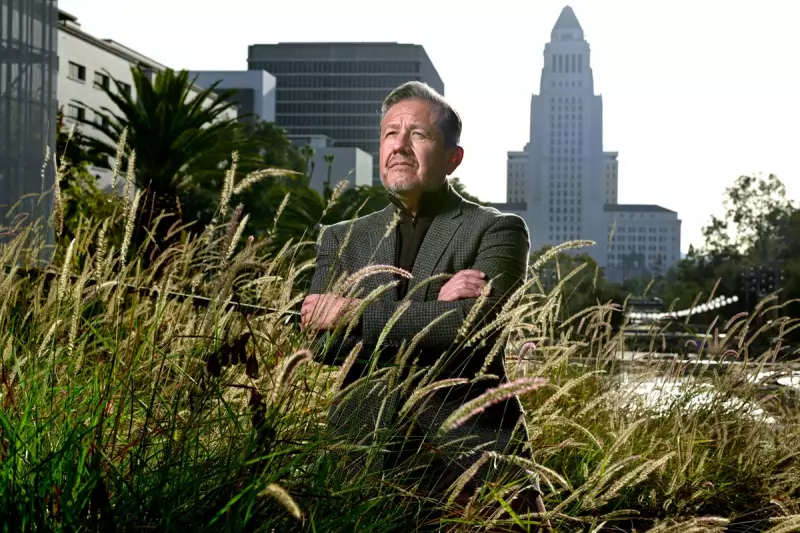
When wildfires erupted across Los Angeles in January 2025, the scale of the destruction became starkly clear to Miguel Santana from an aerial vantage point. The CEO of the California Community Foundation (CCF) witnessed flames consuming the Pacific Palisades and, a day later, Altadena, from the window of an aeroplane. This firsthand view cemented his belief that the city faced an unprecedented catastrophe.
A Swift Philanthropic Response
The foundation moved rapidly, activating its wildfire recovery fund and distributing $30 million within the first month to non-profits addressing survivors' urgent needs. The fund's remarkable appeal saw it grow to over $100 million, donated by nearly 50,000 supporters globally within a year.
This immense sum presented both a rare opportunity and a formidable challenge: how to effectively channel resources over what would be a years-long recovery. The blazes, known as the Palisades and Eaton fires, had a devastating human and structural toll, claiming 31 lives and destroying 17,000 structures. A year on, the foundation's surveys indicate roughly 7 in 10 survivors are still not back in their homes, with a mere 10 houses rebuilt across the affected areas. The prolonged instability is taking a severe toll on community mental health.

Confronting Systemic Inequities and Insurance Hurdles
From the outset, Santana directed efforts towards those most at risk of being overlooked: seniors, children, renters, and those living paycheck to paycheck. He also sought to address the systemic inequalities that disasters invariably exacerbate. To centre the survivor experience, CCF helped establish the Department of Angels, a non-profit born from a meeting connecting LA survivors with others from across the nation.
Through quarterly surveys of over 2,000 survivors, a major barrier has been clearly identified: insurance. "Which carrier you have is the primary determinant of how well your recovery is going," Santana stated. Many are trapped, paying mortgages and taxes on destroyed properties while covering rent elsewhere, with insurance living-expense payouts running out.
Innovative Solutions and the Limits of Philanthropy
In response, CCF is working with financial institutions like Bank of America to create a novel financing product. Philanthropy would act as a guarantor for a 'silent second' loan, enabling survivors to access traditional lending they currently cannot qualify for. This model highlights philanthropy's unique role in de-risking capital rather than directly lending it.
However, Santana is clear on the limits of charitable giving. While philanthropy raised an impressive $1 billion for the recovery, it is not a substitute for government scale. "The role of philanthropy is not to provide the kind of support needed on an ongoing basis at the scale needed," he emphasised, calling for the federal government to fulfil its expected role in supporting Angelenos as it has for other disaster-struck communities.
As recovery enters its second year, Santana's focus extends beyond systems and policies to human connection. He urges people to reach out to those affected by any disaster, offering practical support like a meal or childcare. "People are still feeling alone," he noted, underscoring that community solidarity remains as vital as ever in the long road to rebuilding.






