

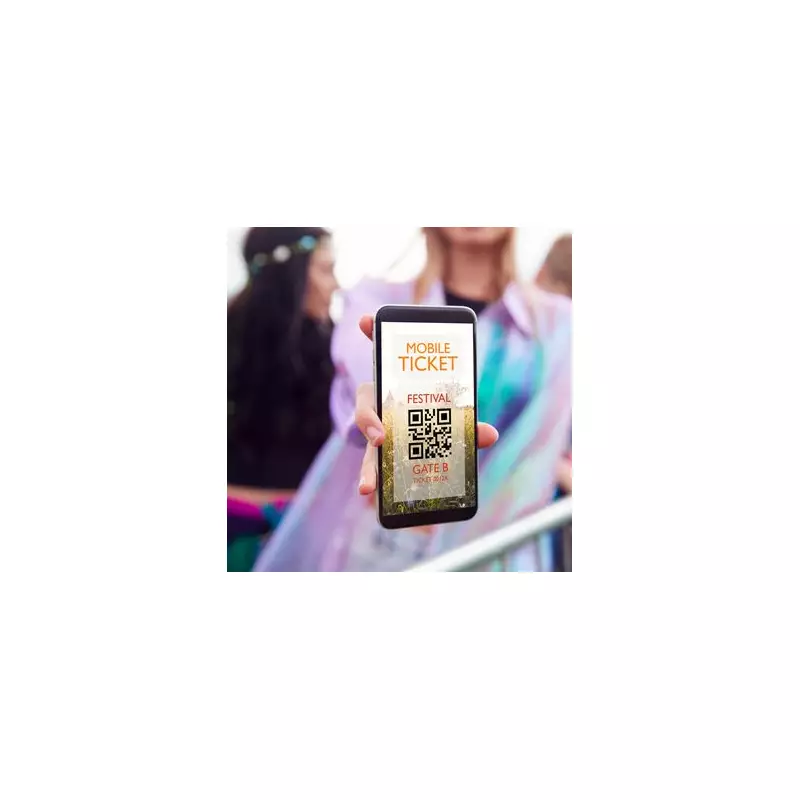
HSBC has issued a critical warning to its customers who are purchasing tickets for festivals, concerts, or sporting events throughout January 2026. As the new year gains momentum, many individuals are eagerly planning their calendars and securing seats for highly anticipated events. However, the banking giant has alerted the public that criminals are actively targeting event tickets in a surge of fraudulent activity.
Bank's Direct Communication to Customers
In an email distributed to its customer base, HSBC emphasised the financial stakes involved. "We all know that tickets to festivals, concerts and sporting events don't come cheap. So, it can be tempting when you spot a deal on one. But if it sounds too good to be true, it probably is," the bank stated. This communication forms part of a broader initiative on HSBC's dedicated scam warnings webpage, which was updated in January 2026 to specifically address the rising threat of ticket fraud.
Common Ticket Scams Identified
HSBC has outlined several prevalent methods used by scammers to defraud consumers. These include:

- Selling tickets that do not actually exist.
- Selling a legitimate e-ticket to multiple buyers simultaneously.
- Creating and distributing counterfeit tickets.
- Scammers impersonating friends or acquaintances offering tickets for sale.
- Fake websites designed to harvest payment details under false pretences.
How Criminals Operate
The bank provided detailed insight into the typical modus operandi of these fraudsters. "If you buy from unofficial sources, you could be a victim of fraud. Criminals typically pose as a seller and post on social media or an online marketplace," HSBC explained. They often promise to post or email the tickets once a bank transfer is completed, only to vanish without a trace after the payment is made. This deceitful practice affects thousands of music, sports, and entertainment fans annually, leaving them out of pocket and without valid tickets.
Essential Protective Measures
To help customers safeguard their finances, HSBC has issued a series of practical tips to 'beat the criminals':
- Purchase tickets exclusively from the official box office or authorised sellers.
- When buying online, meticulously verify the legitimacy of the website.
- Avoid paying for tickets via bank transfer; use secure payment methods instead.
- Review the privacy and returns policies before completing any transaction.
- Retain all confirmation emails or receipts until after the event has concluded.
- Refrain from clicking on unsolicited links in emails or social media posts offering tickets, as these may redirect to malicious sites.
Reporting Suspected Fraud
HSBC advises any customer who believes they may have fallen victim to a ticket scam to take immediate action. This includes reporting the incident directly to their bank and utilising the Report Fraud online service or calling the dedicated helpline on 0300 123 2040. The bank's scam warnings webpage also highlights other prevalent fraud types, such as driving test scams, job scams, messaging scams, and romance scams, reinforcing the necessity for constant vigilance.
This alert underscores the critical importance of exercising caution and conducting due diligence when purchasing event tickets, particularly during peak booking periods. By adhering to HSBC's guidance, customers can significantly reduce their risk of financial loss and disappointment.






