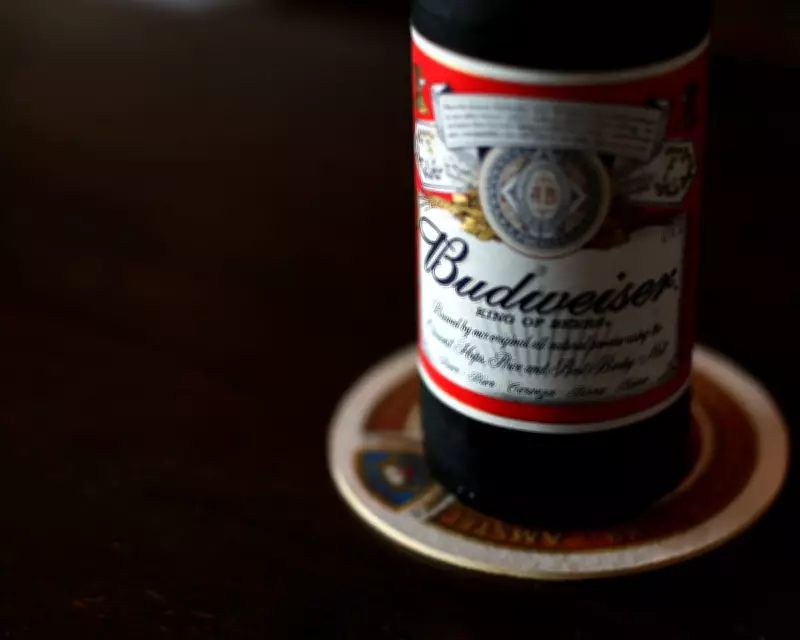
Budweiser's Super Bowl Commercial Generates Industry Buzz
Budweiser, the iconic American beer brand, has released a new advertisement during the Super Bowl, one of the most-watched television events globally. This commercial has quickly become a focal point for discussions among marketers, analysts, and consumers, highlighting its potential impact on brand perception and sales in a highly competitive market.
Marketing Strategy Under Scrutiny
The ad, which aired during the high-stakes Super Bowl broadcast, is designed to capture audience attention with creative storytelling and emotional appeal. Industry experts are analyzing its effectiveness in engaging viewers and driving brand loyalty, especially as beverage companies face increasing pressure from changing consumer preferences and the rise of craft beers and non-alcoholic alternatives.
Key elements of the commercial include:

- A narrative that emphasizes tradition and community values
- High-quality production with cinematic visuals
- Strategic placement during peak viewership moments
This move is part of Budweiser's broader efforts to revitalize its image and connect with younger demographics, who are often more critical of traditional advertising methods.
Consumer and Analyst Reactions
Initial reactions to the ad have been mixed, with some praising its nostalgic elements and others questioning its relevance in today's fast-paced digital landscape. Social media platforms have seen a surge in conversations about the commercial, with users debating its memorability and potential to influence purchasing decisions.
Market analysts note that Super Bowl ads are a significant investment for brands, often costing millions of dollars for airtime alone. Budweiser's decision to launch this campaign reflects its commitment to maintaining a strong presence in key marketing channels, despite economic uncertainties and shifting advertising trends.
Broader Implications for the Beverage Sector
The debate surrounding Budweiser's Super Bowl ad extends beyond this single campaign, touching on larger issues within the beverage industry. Companies are increasingly leveraging big-event advertising to stand out in a crowded marketplace, but success depends on aligning creative content with consumer expectations and market dynamics.
Factors influencing the ad's long-term impact include:
- Consumer sentiment and engagement metrics post-broadcast
- Sales data in the weeks following the Super Bowl
- Competitive responses from other beverage brands
As Budweiser navigates these challenges, its Super Bowl commercial serves as a case study in modern marketing, highlighting the delicate balance between innovation and tradition in brand strategy.