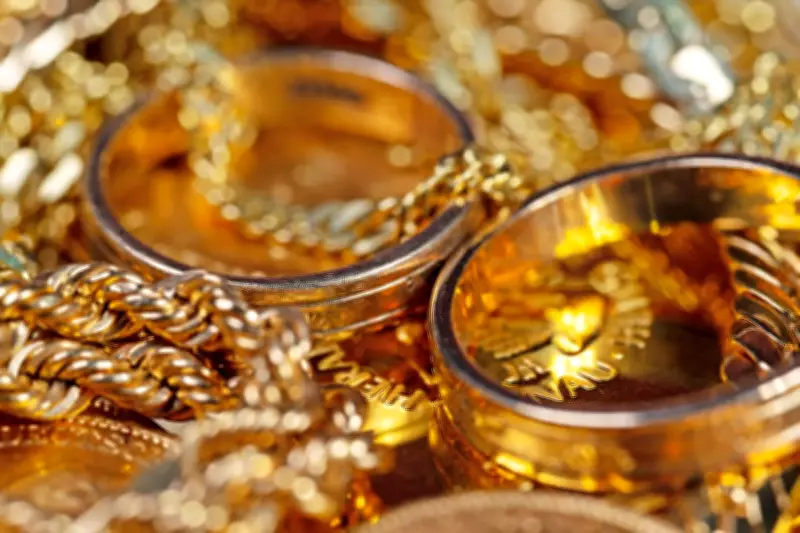
Global Gold Rush: Prices Soar and Swing as Investors Seek Safe Haven
People around the world are lining up to either sell pieces of the precious metal they already own or buy into the current frenzy, creating a remarkable surge in global gold demand. This unprecedented activity has seen prices reach record levels earlier this week, triggering a worldwide scramble as individuals either offload existing precious metal holdings or dive headfirst into the burgeoning market.
Unprecedented Price Movements and Market Volatility
New York spot gold soared to a staggering record high of over $5,418 per troy ounce on Wednesday, the standard measure for precious metals. However, prices have since experienced a significant retreat, with futures dipping below the $5,000 mark by Friday afternoon. This dramatic swing potentially indicates a wider market correction and highlights the increased volatility that has become particularly pronounced in recent trading sessions.
The current price movements stand in stark contrast to just one year ago, when New York spot gold traded at less than $2,795 a troy ounce. This dramatic shift underscores the remarkable transformation in the precious metal's market dynamics, with current prices remaining significantly elevated despite gold's inherent volatility and unpredictable nature.

Drivers Behind the Gold Price Surge
The fundamental driver behind these price surges largely boils down to uncertainty. Interest in buying gold—and other precious metals like silver—typically spikes when investors become anxious about global stability. Gold prices climbed worldwide during the height of the COVID-19 pandemic and amid ongoing wars and turmoil from international trade tensions.
The latest records coincide with escalating geopolitical tensions in multiple regions, including Venezuela and Iran, alongside renewed international trade discussions. According to Daniel McDowell, a professor of political science at Syracuse University, there has been "a real rupture in the way we think about how the world order, if we want to call it that, functions." In moments of such instability, he explains, buying gold has historically been a sort of "psychological reaction" for those hoping to find a safe place for their money.
The latest rush for gold also corresponds with currency fluctuations and questions about central bank policies, creating a perfect storm of factors driving investor behavior.
Global Impact on Retail and Investment Markets
More jewelry sellers and precious metal dealers worldwide are reporting a significant uptick in customers looking to either buy or sell gold. The boom is particularly tangible in historic districts known for dealers of gold, silver, and coins, where traders report continuous customer flows from opening to closing.
Consumers are flocking to local merchants to convert golden jewellery into cash, while others are making their first foray into purchasing gold coins or bars. A growing number are also channelling funds into investment vehicles such as exchange-traded funds, which track the metal's value much like traditional stocks.
Worldwide, people may encounter some "sticker shock" due to recent price hikes, while swings in value have also strained sellers—particularly for products impacted by international trade policies. Larger retailers have acknowledged the headwinds of both trade measures and rising costs for precious metals in recent financial discussions.
Expert Advice for Buyers and Sellers
For those considering selling gold, experts suggest carefully evaluating personal circumstances and whether you're willing to part with your holdings. Many advisors recommend waiting as prices could potentially rise further if uncertainty deepens, though they acknowledge that many consumers are choosing to sell now.
If you decide to sell, ensure you're working with a reputable dealer. Experts recommend reading reviews through consumer protection groups or checking with trusted trade associations. You'll also want to compare "spreads"—the difference in price offered when you buy versus the money you receive when you sell—as well as processing times.

For prospective buyers, consider what you can afford and how long you're willing to hold your investment. Advisors generally suggest that longer investments, such as keeping gold for ten or more years, are less risky than attempting to jump into the market for quick profits. While advocates argue that gold helps hedge against inflation and diversify portfolios, experts caution against putting all your eggs in one basket, noting that other investment vehicles may offer different advantages.
The precious metals market remains volatile, with daily fluctuations like those seen recently. While prices are still up significantly over the past year, they could potentially fall again in a wider correction, making careful consideration essential for all market participants.