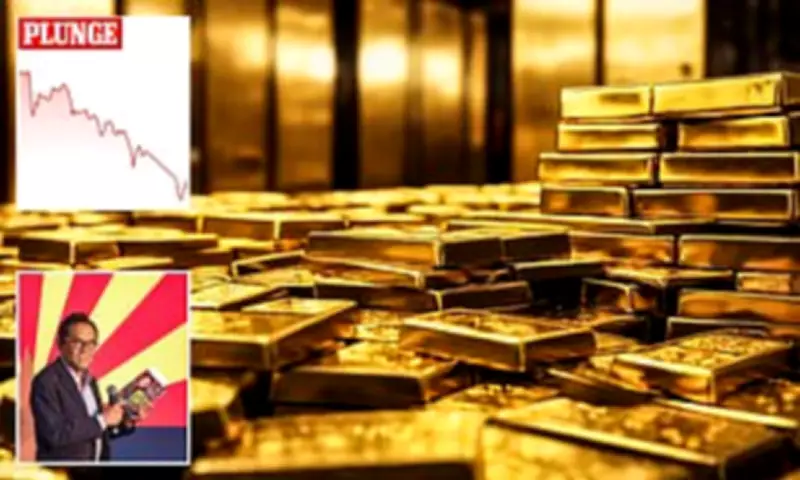
In a bold and optimistic projection, banking giant JPMorgan is dismissing gold's recent dramatic sell-off, predicting the precious metal will still skyrocket to an astonishing $6,300 per ounce by the conclusion of 2026. This forecast comes despite the asset experiencing its most severe single-day decline in over four decades, underscoring a resilient bullish conviction within the financial institution.
Historic Volatility Fails to Deter Bullish Outlook
The world's largest Wall Street bank has articulated that demand from both national central banks and individual investors remains robust enough to propel prices significantly higher over the coming two years. JPMorgan specifically anticipates that central banks, including major entities like the US Federal Reserve and the European Central Bank, will purchase approximately 800 tons of gold in 2026 alone.
This aggressive buying trend is largely attributed to a sustained global initiative by countries to diversify their reserves away from traditional currencies, which are perceived as vulnerable to devaluation. 'Even with the recent near-term volatility, we remain firmly bullishly convicted in gold over the medium term on the back of a continued diversification trend,' the bank emphasised in a research note released on Monday.

A Brutal Reversal Follows Record Highs
The upbeat assessment follows a brutal and unexpected reversal that caught many retail investors off guard. Gold had been on a record-breaking ascent, driven by pervasive fears surrounding US debt levels and inflationary pressures, with precious metals traditionally viewed as safe-haven assets during such periods of economic uncertainty.
However, the market witnessed a sharp correction last Friday, with gold plunging nearly 10 percent in its most significant one-day fall since 1983. Losses extended into Monday before a partial recovery emerged on Tuesday morning, briefly pushing the price back above $5,000 after it had tumbled to around $4,500. Over the past five days, gold is now down just under 6 percent, illustrating the intense volatility.
Banking Sector Echoes Confidence in Gold's Trajectory
JPMorgan is not isolated in its positive stance. Deutsche Bank reiterated its forecast on Monday, following the historic drop, projecting gold to climb to $6,000 an ounce by 2026, also citing sustained investor appetite. Similarly, UBS has elevated its price targets to $6,200 for multiple points in 2026, although this adjustment was made prior to the recent sell-off.
Other prominent financial institutions, including Goldman Sachs and Morgan Stanley, have issued analyses suggesting gold prices could persist near historic highs over the next two years. Some commentators have even more extravagant predictions; for instance, bestselling author Robert Kiyosaki recently speculated on social media about a future gold price of $27,000.
Extreme Scenarios and Economic Drivers
Analysts caution, however, that achieving such stratospheric levels would necessitate a catastrophic economic or geopolitical shock far exceeding current inflation concerns. Andrew Glass, founder of Avatar Commodities, outlined to Daily Mail that scenarios like severe US civil unrest, China annexing Taiwan, or Russia aggressing against NATO would be required to drive gold to those extremes.
The rally in gold has also drawn commentary from influential financial figures. Ray Dalio, billionaire founder of Bridgewater Associates, the world's largest hedge fund, recently linked gold's surge directly to America's escalating national debt, which now exceeds $38 trillion. He explained that when governments accumulate excessive debt, they often resort to weakening their currencies or maintaining artificially low interest rates to manage the burden—a tactic that historically benefits gold as a non-sovereign store of value.

Practical Avenues for Gold Investment
For individuals looking to capitalise on these market movements, there are several accessible methods to invest in gold without requiring physical storage like a vault. Options include purchasing shares in exchange-traded funds (ETFs) that track the gold price, investing in mutual funds focused on gold mining companies, or trading gold futures. Alternatively, one can buy physical gold in the form of coins or bars from reputable dealers, or even consider gold jewellery, though this is often a less reliable investment vehicle.
In summary, while gold's recent volatility has unsettled some markets, major financial institutions remain steadfast in their long-term bullish forecasts, pointing to structural economic factors and sustained demand as key drivers for future price appreciation.