

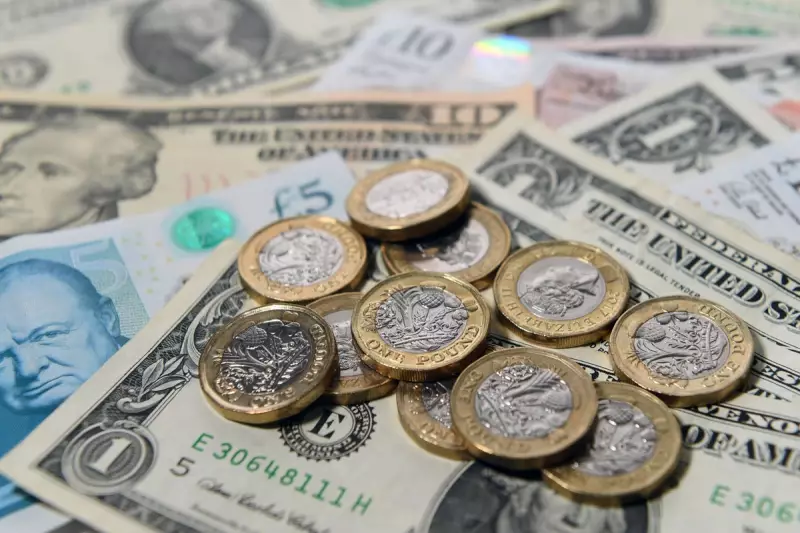
Sterling Surges as US Trade Tensions Over Greenland Spark Dollar Sell-Off
The pound has experienced its most significant two-day rally since December, propelled by investors abandoning the US dollar amid escalating trade tensions between the United States and Europe over Greenland. Sterling climbed 0.8 per cent over the past two days, reaching approximately $1.348, as markets reacted to geopolitical uncertainty.
Trump's Tariff Threats Trigger Market Shift
The dispute stems from threats made by former President Donald Trump to impose tariffs from 1 February on imports from the UK, Denmark, Norway, Finland, France, Germany, and the Netherlands. These measures are contingent on their agreement to US ownership of Greenland, a territory under Danish autonomy. In response, investors have sold US assets, including the dollar, largely favouring European currencies and gold as safe-haven alternatives.
The euro emerged as the primary beneficiary of the dollar's decline, outperforming sterling with a 0.4 per cent gain on Tuesday. This marked its strongest performance since early November, trading at 87.03 pence against the pound. The shift highlights how geopolitical tensions are reshaping currency markets and investment flows across the Atlantic.

Domestic Economic Context Presents Mixed Picture
Domestically, earlier UK labour market data presented a seemingly grim outlook for employment. The jobless rate remained near five-year highs in November, and the number of workers on payrolls experienced its sharpest fall since November 2020. The FTSE 100 Index plunged over 120 points, shedding 1.3 per cent to reach 10068.4 shortly after opening on Tuesday, compounding a 0.4 per cent decline from Monday.
Despite these figures, analysts noted several positive indicators within the report, suggesting that the worst of the economic downturn might have passed. George Buckley, chief UK and euro area economist at Nomura, highlighted that redundancies fell while vacancies and the unemployment rate stabilised, along with the inactivity rate falling.
Bank of England Rate Cut Expectations Build
Wage growth, a key metric for the Bank of England, also slowed to what Buckley called "inflation-target consistent rates." He noted that "this provides a helpful backdrop for the bank to cut rates again – we expect a final move to 3.50 per cent in April, with markets pricing in the risk of earlier or more cuts."
Markets are currently pricing one rate cut from the BoE by mid-year, with a roughly 60 per cent chance of a second by December. This monetary policy outlook, combined with the currency movements driven by international trade tensions, creates a complex economic landscape for UK policymakers and investors to navigate in the coming months.






