

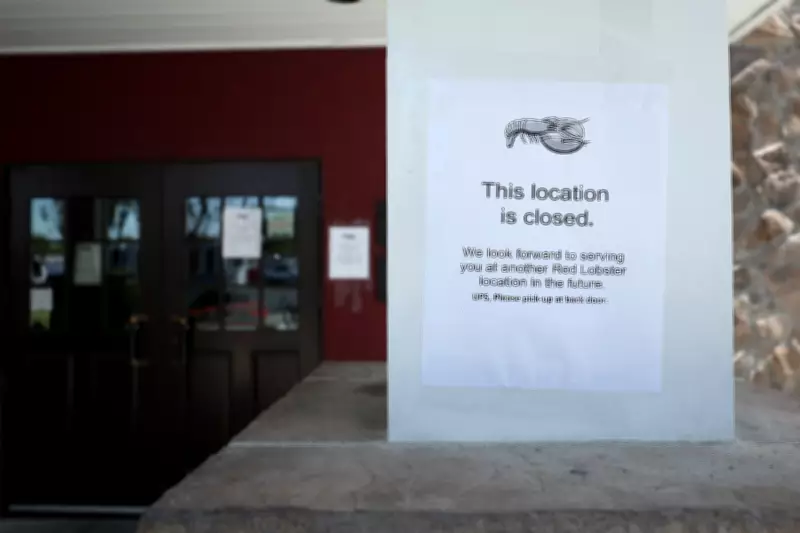
Red Lobster CEO Outlines Strategy with Further Restaurant Closures
Red Lobster's ongoing recovery from bankruptcy will likely involve additional restaurant closures as the seafood chain refocuses on its strongest markets, according to CEO Damola Adamolekun. In a recent interview with The Wall Street Journal, Adamolekun detailed the company's comeback plan, which includes reviewing leases and shutting down underperforming locations to reduce costs and streamline operations.
Navigating Post-Bankruptcy Challenges
Red Lobster emerged from Chapter 11 bankruptcy in September 2024 after being acquired by RL Investor Holdings LLC and securing approximately $70 million in new investment. Adamolekun, who took over as CEO at that time, has been steering the chain through its restructuring phase. Despite reporting a roughly 10 percent increase in sales compared to the previous year, the company has not yet returned to its pre-bankruptcy performance levels. Adamolekun acknowledged that lingering financial pressures make downsizing a realistic path back to profitability.
The chain previously closed more than 100 restaurants across dozens of states during its 2024 bankruptcy process and laid off hundreds of workers as part of earlier restructuring efforts. Adamolekun indicated that further closures are necessary to address ongoing challenges, though he did not specify exactly how many restaurants might be affected or when changes would occur.

Historical Lease Issues Complicate Recovery
A significant factor in Red Lobster's financial struggles dates back to 2014, when then-owner Golden Gate Capital sold most of the chain's properties to reduce debt. This sale-leaseback arrangement generated immediate cash but created long-term financial burdens. Red Lobster was left tied to complicated leases on hundreds of locations, often at rates exceeding market values, which limited the company's ability to close or relocate underperforming restaurants.
Adamolekun explained that these lease arrangements have historically connected weaker locations to stronger ones, preventing timely closures. The fixed costs associated with these leases have strained finances and reduced operational flexibility, complicating efforts to optimize the chain's portfolio. He noted that some restaurants could have closed much earlier if not for these restrictive agreements.
Innovations and Growth Initiatives Under New Leadership
Since becoming CEO, Adamolekun has implemented several changes to revitalize the brand. He has promoted a "new day" for Red Lobster through advertising campaigns and introduced innovations such as menu overhauls, a happy hour to attract more customers, and a refreshed marketing strategy. To enhance the in-restaurant experience, the chain launched a "red carpet hospitality" program, where hostesses are trained to acknowledge guests from 10 feet away and engage with them within 4 feet.
Red Lobster has also seen success with new menu items like Seafood Boils, a mix of shrimp, vegetables, and other seafood served in a steaming bag. Priced from around $28 to $70 for multiple servings, these boils went viral and helped boost customer visits. In July, the chain experienced an 18 percent increase in visits compared to the previous year, according to mobile analytics firm Placer.ai.
Future Plans for Expansion and Remodeling
Looking ahead, Adamolekun outlined plans for growth once the chain addresses its weaker locations. Red Lobster aims to expand into areas with fewer outlets, such as upstate New York and New England, and pursue international growth through franchises. The company also plans to increase sales of branded products, like Cheddar Bay Biscuit mixes, in retail stores.
Additionally, Adamolekun revealed plans to remodel some restaurants this year, with each upgrade costing about $500,000. Investors are expected to provide further funding to support these renovations. Market research firm Datassential found that while Red Lobster still needs to improve food quality, service, and overall experience, customers are noticing enhancements in value and returning more frequently.

"I watch the guest scores and the traffic improvement, because that ultimately determines the fate of the business," Adamolekun told The Wall Street Journal. He emphasized that despite positive signs, the brand inherited significant damage, and ongoing work is required to fully repair it and ensure long-term success.





