

In a significant shift for the global automotive industry, Tesla has been overtaken as the world's bestselling electric vehicle manufacturer. The American pioneer, long synonymous with the EV revolution, has reported a second consecutive annual decline in deliveries, allowing its Chinese competitor BYD to seize the crown.
A Year of Decline for Tesla
The figures for 2025 tell a clear story. Tesla delivered 1.64 million vehicles over the year, which marks a notable 9% drop compared to its 2024 performance. This downturn was cemented by a disappointing final quarter, where sales of 418,227 vehicles failed to meet analyst forecasts. Industry observers suggest the expiration of a key $7,500 US tax credit during the Trump administration may have dented fourth-quarter momentum.
Meanwhile, BYD surged ahead with 2.26 million electric vehicle sales in 2025, solidifying its position at the forefront of the market. The Chinese firm's rise underscores the intense and growing competition Tesla faces internationally, particularly from well-funded and agile manufacturers in Asia.

Politics and Competition: A Dual Challenge
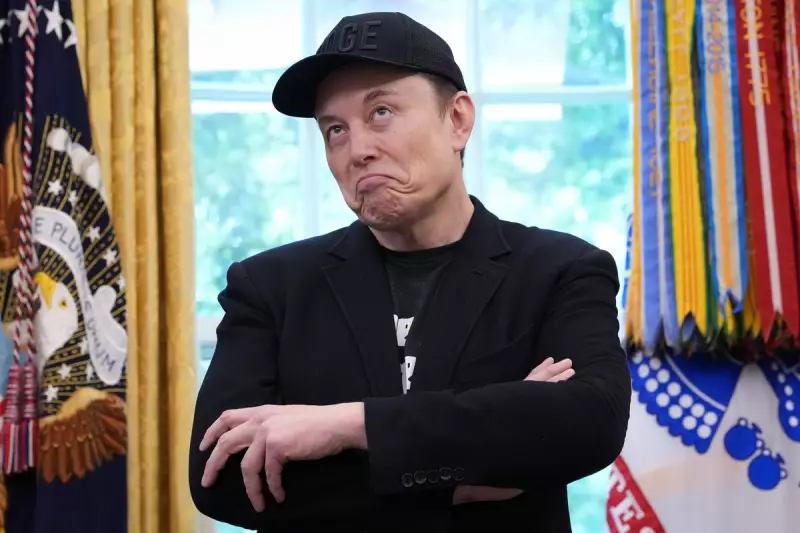
Analysts point to a combination of factors behind Tesla's sales slide. Beyond fierce overseas rivalry, there appears to be a measurable customer backlash linked to CEO Elon Musk's increasingly vocal right-wing political stance. This has potentially alienated a segment of the eco-conscious buyer base that once formed the core of Tesla's brand loyalty.
The competitive landscape is no longer defined by a lack of options. Consumers now have a wide array of compelling electric models to choose from, many offering comparable technology and performance at competitive price points, eroding Tesla's first-mover advantage.
Investor Eyes on the Future
Despite the disappointing sales news, Tesla's financial story in 2025 had a silver lining. The company's stock price closed the year with an 11% gain. This resilience on the markets is largely attributed to sustained investor optimism about Tesla's future beyond traditional car manufacturing.
Shareholders are betting heavily on the company's ambitious next-phase projects, particularly the development of a robotaxi service and the Optimus humanoid robot. Musk himself has touted Optimus as potentially the "biggest product ever," recently showcasing prototypes performing household chores. The market seems to be pricing in potential success in these futuristic ventures, even as the core automotive business faces headwinds.
The transition of the EV market leadership from Tesla to BYD marks a pivotal moment, signalling a new, more mature and brutally competitive chapter for the global electric vehicle industry.






