

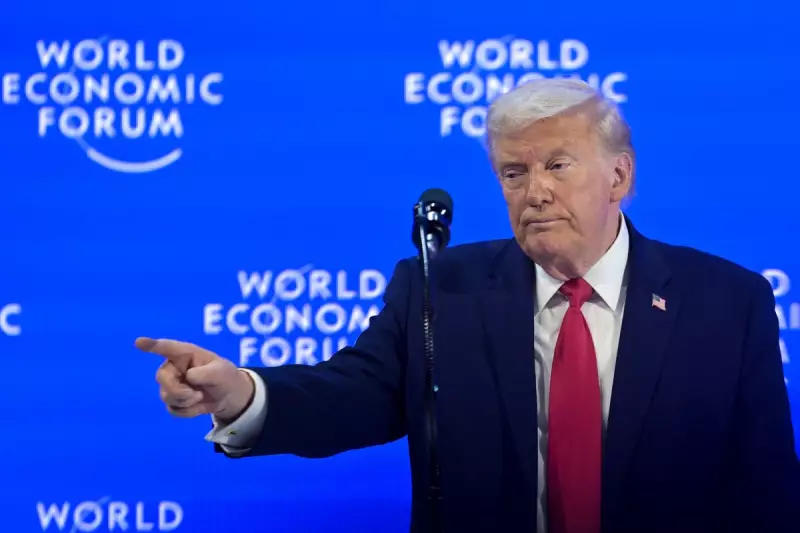
Former President Donald Trump has revealed that he has likely narrowed down his selection for the next chair of the Federal Reserve to a single candidate, following his recent address at the World Economic Forum in Davos. This announcement comes amidst ongoing criticism of the current Fed chair, Jerome Powell, over monetary policy decisions and a controversial headquarters renovation project.
Trump's Criticism of Powell and Fed Policies
In his remarks, Trump repeatedly targeted Jerome Powell, voicing strong disapproval of the Federal Reserve's interest rate policies under his leadership. He argued that these decisions have negatively impacted economic stability and growth. Additionally, Trump highlighted a $2.5 billion renovation project at the Federal Reserve's headquarters, which he claims has led to wasteful spending and mismanagement.
DOJ Investigation Complicates Replacement Process
The criticism of the renovation project has escalated into a significant legal issue, with the Department of Justice launching a criminal investigation into Powell's involvement. Powell has publicly condemned this probe, asserting it undermines the integrity of the Federal Reserve. This investigation has created substantial hurdles in the process of replacing Powell, as it has prompted political delays in the nomination proceedings.

Political Holds and Concerns Over Fed Independence
Two Republican senators, Thom Tillis and Lisa Murkowski, have placed holds on nominations for the Federal Reserve chair position until the DOJ investigation concludes. This move has stalled the appointment process and raised alarms among senators and other observers about the potential erosion of the Federal Reserve's traditional independence from political influence. Many fear that such actions could set a dangerous precedent for future administrations.
Trump's announcement, while stopping short of naming his preferred candidate, underscores the heightened tensions and complexities surrounding the leadership of the Federal Reserve. The situation continues to evolve, with implications for monetary policy and economic governance in the coming years.






