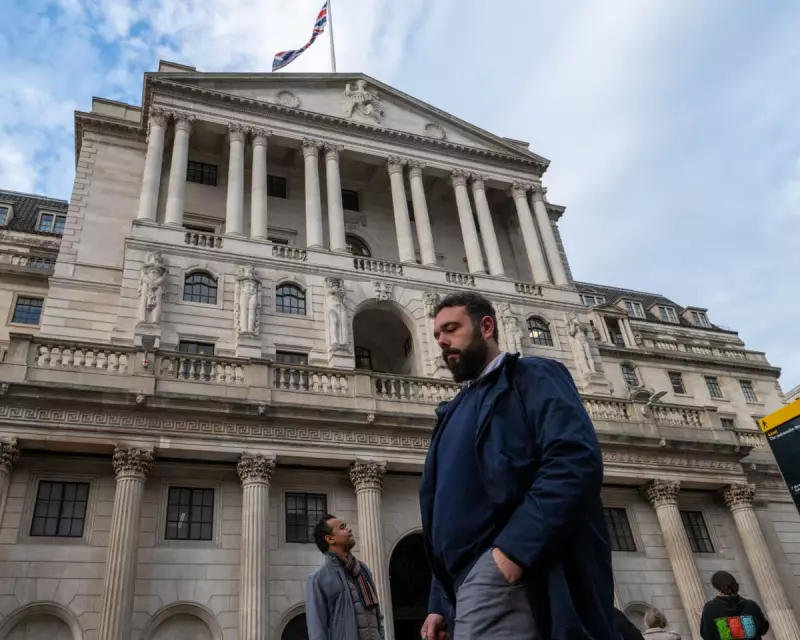
Investor confidence in UK government finances has surged, pushing the nation's borrowing costs to their lowest level in more than a year. The yield on benchmark 10-year UK government bonds, known as gilts, fell to 4.34%, down from 4.41%, marking the lowest point since December 2024.
Fiscal Stability and Rate Cut Hopes Fuel Rally
The significant drop, which affects almost £3tn of UK debt, is attributed to two key factors. First, the prospect of the UK's public finances being placed on a firmer footing has reduced the perceived risk of holding UK debt. Second, growing anticipation of further interest rate cuts by the Bank of England has fuelled market bets.
This represents a major boost for Chancellor Rachel Reeves, who prior to November's budget fought to increase the Treasury's financial buffer. Her efforts were aimed at winning back international investors who had grown sceptical about the UK's fiscal discipline. Pre-budget concerns had previously driven UK bond yields to their highest level since 2008.

Markets Bet on Deeper Rate Cuts
The Bank of England set the stage in December by cutting interest rates by a quarter point to 3.75%. Financial markets are now betting that weaker employment data and falling inflation will persuade the Bank's Monetary Policy Committee (MPC) to enact more cuts than previously forecast.
While markets before Christmas predicted only one further cut this year to 3.5%, bets this week suggest at least another quarter-point reduction to 3.25% before 2027. MPC member Alan Taylor reinforced this outlook in a speech, stating that a sharp slowdown in inflation should lead to several rate cuts, provided the data supports his view.
Inflation figures due next week are expected to show a fall in December from November's 3.2%, bringing it closer to the Bank's 2% target. Strategist Jamie Searle of Citigroup noted that UK gilts are a preferred investment for 2026, citing greater scope for rate cuts and a supportive issuance backdrop.
Global Context and Fiscal Targets
The rally was not isolated to the UK. European government bond yields also fell on Wednesday, while borrowing costs in the US remained steady amid uncertainty over the Federal Reserve's policy. Back in the UK, Chancellor Reeves remains on course to reduce the spending deficit, which has consistently run above 5% since the pandemic, to below 2% by the 2029-30 financial year.