

Couple's £421,000 Deckhouse Transformation in West Sussex Harbour
Jon-Paul Clark, 54, a garden and interiors writer, and his husband John, 58, a procurement manager, have undertaken a remarkable renovation project on a unique 1960s deckhouse property in Emsworth, West Sussex. The couple discovered the distinctive harbour-front property while on holiday and immediately fell in love with its mid-century design and coastal location.
The Property Discovery and Vision
While holidaying in Emsworth, West Sussex, Jon-Paul – known as JP – and John stumbled across a cluster of 1960s deckhouses on stilts along the harbour front. 'They were designed by the late British architect Vernon Gibberd in 1965 as weekend homes for sailors and have gradually evolved into holiday homes and many full-time residences,' explains JP. 'We were looking for a property we could rent out and instantly fell in love with this one's mid-century design and location.'
Each deckhouse measures approximately 52 square metres and originally featured a double bedroom, single bedroom, small bathroom, and combined kitchen/dining/living area, with space for two cars or a boat beneath the elevated structure. The couple purchased the property for £365,000 in October 2020, coinciding with the UK's second lockdown period.

Renovation Challenges and Costs
'Not great timing,' admits JP regarding their purchase during lockdown. 'The cladding was rotting, insulation was minimal, the flooring was orange and there were no tradespeople available. We had to teach ourselves how to plaster and did all the rewiring and plumbing ourselves.'
The comprehensive renovation came with significant costs:
- Deckhouse purchase: £365,000
- New roof and insulation: £4,200
- Internal cladding and insulation: £14,000
- Windows and doors: £13,842
- Balcony renovation: £11,500
- Architect fees: £2,500
- New kitchen and bathroom: £8,000
- Furniture: £2,000
- Plumbing, electrics, plastering, tiling and all internal alterations: completed by the owners themselves
TOTAL EXPENDITURE: £421,042
Space-Saving Design Innovations
With the deckhouse's modest 52-square-metre footprint, every inch needed to work efficiently. 'We basically robbed Peter to pay Paul throughout,' says JP of their approach to maximising the compact space.
Key space-saving innovations included:
- Removing the old water-tank closet and replacing it with a new electric combination boiler relocated to the lower level
- Eliminating the original bathtub to install a proper walk-in shower
- Shifting the dividing wall between bedrooms and bathroom by 30cm to upgrade the single room to a double bedroom
- Knocking through the kitchen's original partition wall to create an open-plan feel
- Designing a compact kitchen layout with slimline cabinetry and deep drawers instead of bulky cupboards
- Installing two integrated compact ovens and a slimline dishwasher
- Choosing slimline furniture including a flat-pack sofa and stackable dining chairs
- Replacing traditional radiators with discreet infra-red heating panels activated by remote control
Preserving Coastal Character
JP was determined to update the space while honouring the property's history and coastal setting. 'The original tongue-and-groove cladding that lined the walls and ceilings was buried under 50 years' worth of paint. But we stripped it, repainted it and reinstalled it,' he explains. 'New panelling would have changed the feel of the space too much.'
In the main bedroom, the headboard was crafted from floorboards sourced from a local reclamation yard. 'They were covered in chipped white paint,' says JP. 'I washed and lightly sanded them so as not to lose the patina.'
Balcony Addition and Planning Success
The most significant structural change was the addition of a new balcony leading from the main bedroom. 'The deckhouse had floor-to-ceiling windows that were crying out to become doors opening on to a balcony, but somehow that never happened,' says JP.

Remarkably, planning permission was granted during lockdown, making theirs the only deckhouse in the row to feature both a side deck and front balcony. 'We were lucky that the application went through at that time,' he reflects. 'I think it's because the council needed something to do!'
Furnishings and Finishing Touches
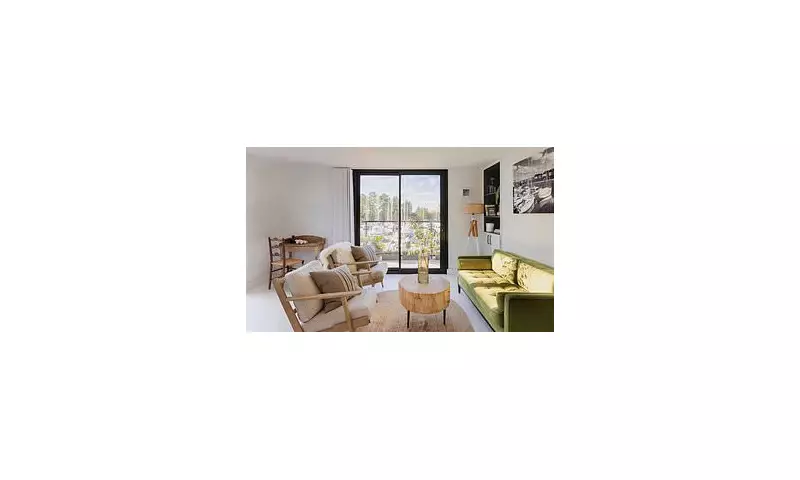
The couple selected furnishings that complement the property's slimline aesthetic. The sofa arrived flat-packed from swyfthome.com, while the coffee table came from designvintage.co.uk. A compact desk found at Ardingly Antiques Fair cost just £50. The kitchen was crafted by paintedkitchen.co.uk, which offers flat-pack options.
The renovation was completed in a whirlwind six months, transforming the property into a stylish holiday let that now commands rates starting at £225 per night. The project demonstrates how thoughtful design and clever space utilisation can transform even the most compact properties into functional, attractive living spaces that honour their architectural heritage while meeting modern needs.





