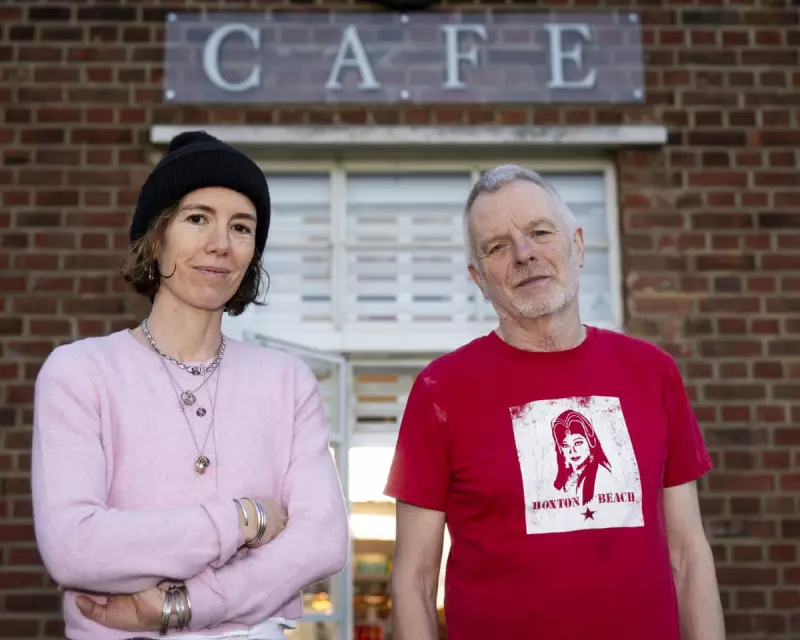
The future of a cherished, family-run cafe on London's Hampstead Heath hangs in the balance, sparking a fierce local campaign. The Parliament Hill Lido cafe, operated by the D'Auria family for over four decades, is one of four independent venues set to be taken over by the Australian-inspired chain Daisy Green.
A Community Hub Under Threat
The decision by the landowner, the City of London Corporation, to prioritise income generation has led to the termination of the family's lease. Staff were informed just a week before Christmas that they must vacate by the end of January. This move has dismayed a diverse cross-section of the local community, from young families to Hollywood actors. Both Benedict Cumberbatch and James McAvoy have signed a petition protesting the change, highlighting the cafe's significance beyond its immediate neighbourhood.
For regulars like columnist Rhiannon Lucy Cosslett and her three-year-old son, the cafe represents far more than just a place to eat. It is a vital, inclusive space that stands in stark contrast to the polished, trend-led aesthetic of modern chains. Unlike cafes designed for Instagram with marble bars and high stools, the Parliament Hill venue is a no-frills, 1960s-style bunker where the priority is human connection, not rapid customer turnover.

More Than Just a Cup of Coffee
The cafe's value lies in its role as a social leveller. It is a rare spot in an area of significant income disparity where people from all backgrounds, ages, and financial means can gather. The scene is one of authentic community: families share bowls of pasta, workers enjoy a jacket potato on their break, and groups of friends share a bottle of wine. It is wheelchair accessible, buggy-friendly, and staff are known for their kindness, such as offering a free falafel to a waiting child.
This model—often immigrant-owned, affordably priced, and serving a homely mix of cuisines—was once commonplace across the UK. These spaces foster togetherness, offering a friendly chat and a sense of belonging that counters the modern loneliness epidemic. Their potential loss speaks to a wider story of social atomisation, where unique local businesses are replaced by homogeneous chains that cater to a specific, often more affluent, demographic.
The Fight for Local Character
The controversy extends beyond the Parliament Hill cafe to other threatened businesses, including the family-run Hoxton Beach in Queen's Park and a cafe in Highgate Wood. The community's fight is not merely driven by nostalgia for decent coffee and Cornish pasties, but by a profound understanding of what is being lost: a truly mixed, inclusive public space.
As high streets across the country become dominated by identical chains, the human touch offered by independent cafes becomes ever more precious. Locals are pleading with the City of London Corporation to urgently reconsider its decision before profit erodes another piece of the community's heart. The message is clear: many are sick of avocado toast and cherry blossom arches; they simply want a decent brew, a familiar face, and a place that feels like their own.