Gardens filled with lush plants and towering trees can transform a property, creating beautiful outdoor spaces that enhance curb appeal. However, certain popular plants pose significant risks to your home's structural integrity, potentially leading to costly repairs and complications when selling.
The Hidden Dangers in Your Garden
David Sampson, a property expert from HMO Mortgage Broker, highlights how problematic plants can derail property transactions. He explains that mortgage lenders carefully assess risk during applications, and gardens containing damaging species can trigger rejections or delays.
"Mortgage applications can slow down or be rejected entirely because of plants that can become a problem for the property," Sampson states. "When applying for a mortgage, lenders look at risk, and some plants in the garden can either need expensive remediation or cause structural damage."

Whether you're planning to sell or simply want to protect your investment, being aware of these four problematic plants is crucial for maintaining your property's value and safety.
Four Plants That Threaten Your Property
Leylandii (Leyland Cypress)
These fast-growing hedges can reach astonishing heights of 30 to 40 metres, with extensive root systems that aggressively drain moisture from surrounding soil. As the soil dries and contracts, your home's foundation can gradually sink, leading to:
- Cracks appearing in walls
- Doors and windows sticking in their frames
- Potential structural instability if left untreated
Wisteria
Despite being a beloved feature in British gardens, wisteria's beautiful spiralling vines and violet blooms conceal serious risks. Without proper maintenance, this plant can:
- Damage brickwork, mortar, and roof tiles
- Create drainage complications
- Increase subsidence risk as woody stems force into cracks
Water ingress through these cracks can subsequently cause damp and mould problems within your property, creating both structural and health concerns.
Horsetail (Mares Tail)
This invasive species features deep, stubborn roots that penetrate soil aggressively, creating multiple problems:
- Roots can tunnel through paving and tarmac surfaces
- Infiltration of drainage systems causing blockages
- Extreme difficulty in eradication due to underground regeneration
Once established, horsetail proves remarkably challenging to remove completely, often regrowing from remaining root fragments.
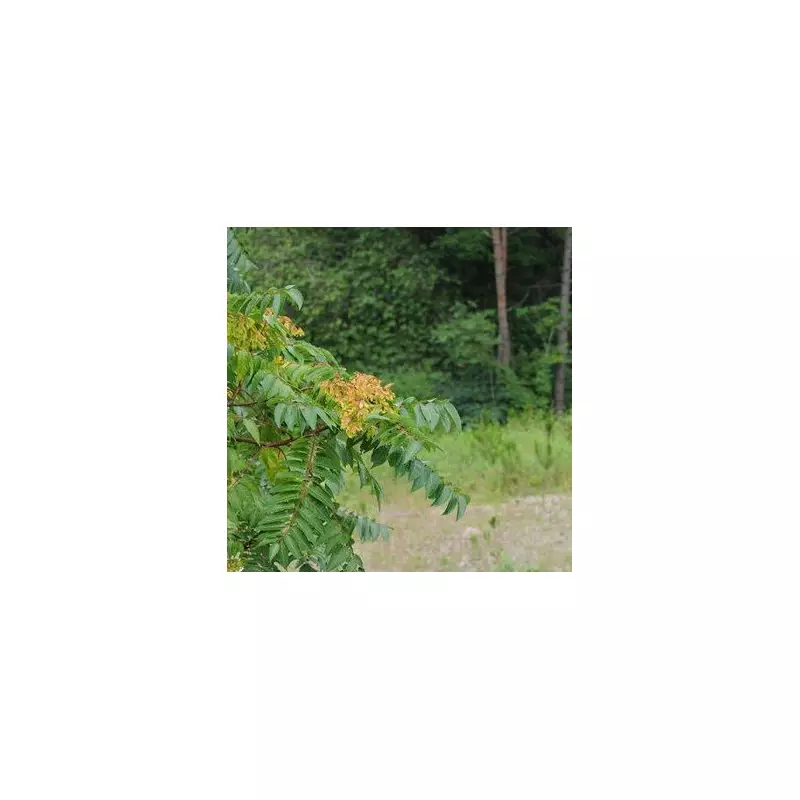
Tree of Heaven (Ailanthus altissima)
Beyond being mildly toxic and potentially causing skin irritation or heart inflammation in rare cases, this species threatens property through:
- Aggressive root systems that fracture foundations
- Damage to underground pipes and pavement lifting
- Difficult elimination as it spreads through suckers far from the parent tree
Protecting Your Property Investment
Regular garden maintenance and early identification of these problematic plants can prevent extensive damage. Homeowners should consider professional assessments if concerned about existing plants, particularly when preparing to sell. Addressing these issues proactively not only preserves your property's structural integrity but also ensures smoother mortgage applications and property transactions.
While gardens undoubtedly enhance property appeal, understanding which plants pose risks helps homeowners make informed decisions that protect their most valuable asset long-term.