

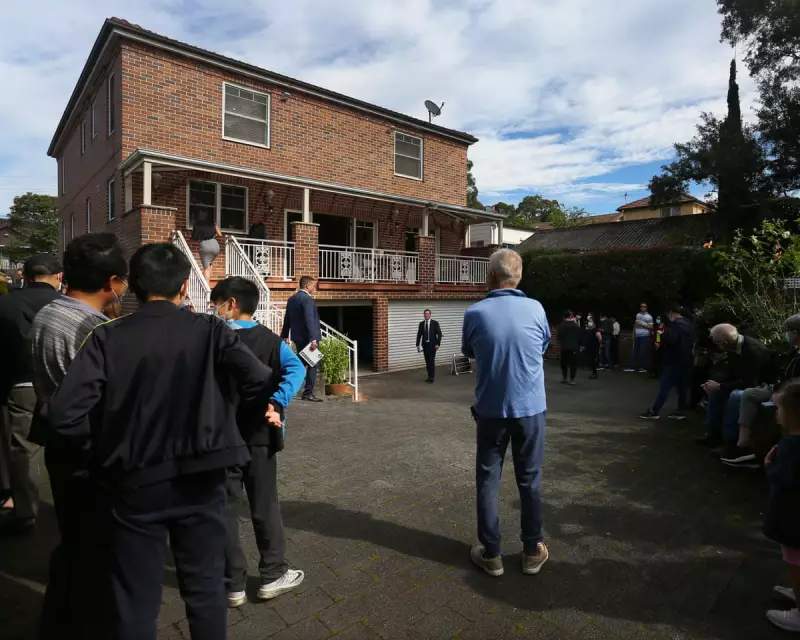
Generation X has emerged as Australia's new property wealth leaders, with households averaging a substantial $1.455 million in wealth derived from dwellings and land, according to a detailed analysis conducted by KPMG using ABS and census data. This significant figure marks a generational shift, as those born between 1965 and 1980, often dubbed the "slacker generation," now hold the most property wealth of any age group in the country.
The Generational Wealth Shift
This development represents a notable "passing of the baton" in property riches, as described by Terry Rawnsley, an urban economist at KPMG. While baby boomers remain the wealthiest overall due to their superannuation holdings and lower debt levels, their average property wealth stands at $1.36 million, slightly below that of Gen X. The analysis highlights that Gen Xers, mostly now aged over 50, have benefited from years of inflated home prices, transforming their financial standing.
Millennials and Younger Generations Face Challenges
In stark contrast, millennials aged between 29 and 44 have an average household property wealth of $890,000, reflecting lower home ownership rates within this cohort. The situation is even more pronounced for younger households, with those aged 25 to 34 averaging $575,000 in property wealth, though this is offset by an average debt of $346,000. Rawnsley notes that while home ownership rates among older generations hover around 80%, only about half of households in this younger demographic own homes.

The median house price across Australia is nearly $1 million, which, combined with a 50% home ownership rate among younger Australians, easily results in property wealth figures around $500,000. However, this leaves the remaining half of younger households at risk of being left behind as they age, potentially facing long-term generational disadvantage if they cannot enter the property market.
Long-Term Implications of Property Ownership
Rawnsley emphasises the profound impact of missing out on property purchases during one's 20s or 30s, stating that the consequences can persist for 30 to 40 years. With housing affordability at historic lows, KPMG research indicates that only slightly more than one in ten homes for sale is affordable for the average first-time buyer. This growing pressure forces younger Australians to make critical financial decisions earlier in life.
"There are a lot more difficult questions being asked of a 25-year-old today than there were 10, 20 or 40 years ago," Rawnsley observes. He warns that becoming a "forever renter" is not merely a lifestyle choice but can lock in generational disadvantage, affecting not only individuals but also their children, especially given the increasing reliance on the "bank of mum and dad."
Debate Over Government Schemes
The government's first home buyer schemes have faced criticism for potentially increasing demand and driving up prices. However, Rawnsley offers a contrarian perspective, arguing that paying an estimated 1-2% more for a home due to such schemes could be worthwhile. He suggests that if these initiatives enable someone to save five years of rent in cities like Sydney and enter the property market earlier, they may ultimately benefit those without family financial support.
This analysis underscores the evolving dynamics of wealth distribution in Australia, with property remaining a cornerstone of financial security. As Gen X solidifies its position at the top of the property wealth ladder, the challenges for younger generations highlight pressing issues of intergenerational equity and housing accessibility that policymakers must address to ensure a fairer future for all Australians.






