A St Albans couple has proven that investing in your home's energy efficiency is not just good for the planet and your bills – it can also deliver a staggering boost to its market value. Judith Leary-Joyce and her husband John have lived in their three-bedroom end-of-terrace Victorian property for over five decades.
The Transformation of a 'Lost' Space
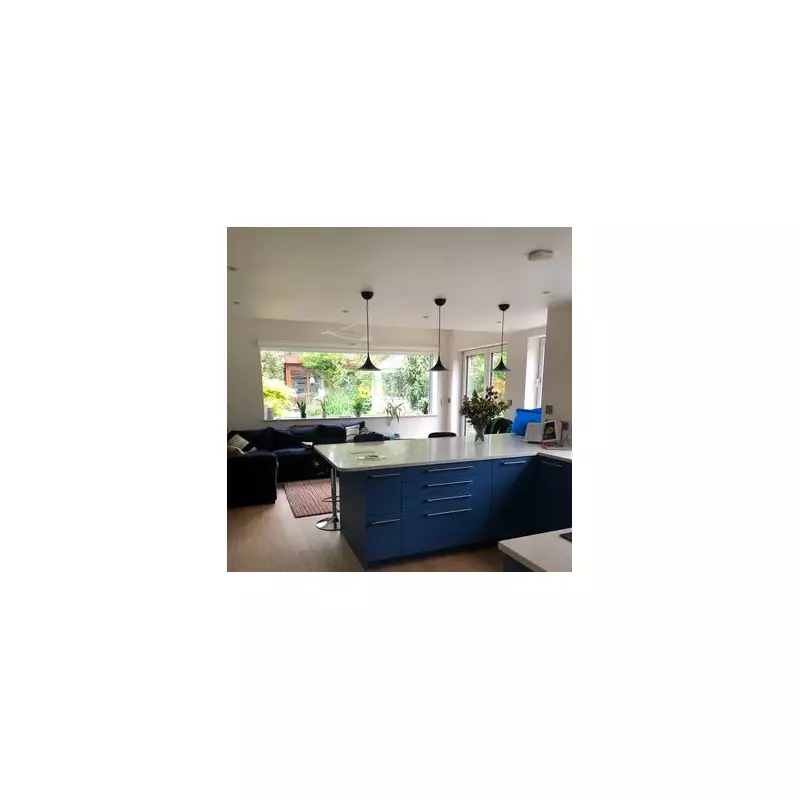
For years, their conservatory was a problematic space, becoming unbearably hot in summer and too cold to use in winter. In 2020, they decided on a radical change: demolishing the old structure and building a new room, which was opened up into the kitchen to create a spacious living area. Conscious of energy waste, they hired an eco-architect to guide the project.
This initial step sparked a broader mission. A year later, Judith, now 75, embarked on a comprehensive 'deep retrofit' – a whole-house renovation designed to drastically improve energy performance. The results have been extraordinary. The couple's annual energy usage has plummeted from 25,500 kWh to just 6,000 kWh, a reduction of 75%. Their home's Energy Performance Certificate (EPC) rating jumped from a D to a B.

The Secrets to Retrofit Success
Judith, who educated herself to become an eco-renovation expert during the process, shares critical insights often overlooked in standard building projects. A key decision was choosing natural insulation materials like wood fibre over standard synthetic PIR boards. "Natural materials – hemp, wood fibre, sisal - will keep you warm in winter and cool in summer," she advises, noting they also manage vapour effectively to reduce condensation.
The retrofit also included installing a heat pump, though Judith cautions homeowners to thoroughly research both the technology and the installer. "The size of the pump is determined by a calculation of your heating usage," she explains, "so if you’re planning to insulate, be clear about what you’ll do as it will impact that."
She highlights ventilation as a factor builders rarely emphasise enough. A family of four produces about 20 litres of moisture daily, and without proper ventilation, this leads to damp and mould. Solutions range from simple regular window-opening to installing a whole-house Mechanical Ventilation with Heat Recovery (MVHR) system, which filters pollutants and manages air quality.
Creating a Legacy and a Valuable Asset
The financial upside of this green investment is clear. The extensive work has increased the property's value by an estimated £90,000. "I wanted to create a home, a legacy to leave behind for future generations," Judith says. Her experience has led her to publish a book: What the Builder Won’t Tell You – The Essential Homeowners Guide to an Energy Efficient, Healthy Home.
Her final piece of advice is for homeowners to take charge. "Educate yourself enough so you can have a good conversation with the builder," she urges. "If you want an energy efficient home that is cheaper to run and worth more, you can’t rely on the builder to tell you about ways of achieving it. You need to be part of the team."