Iran's Abandoned £10m UK Mansion Left to Rot for 16 Years, Branded 'Eyesore'
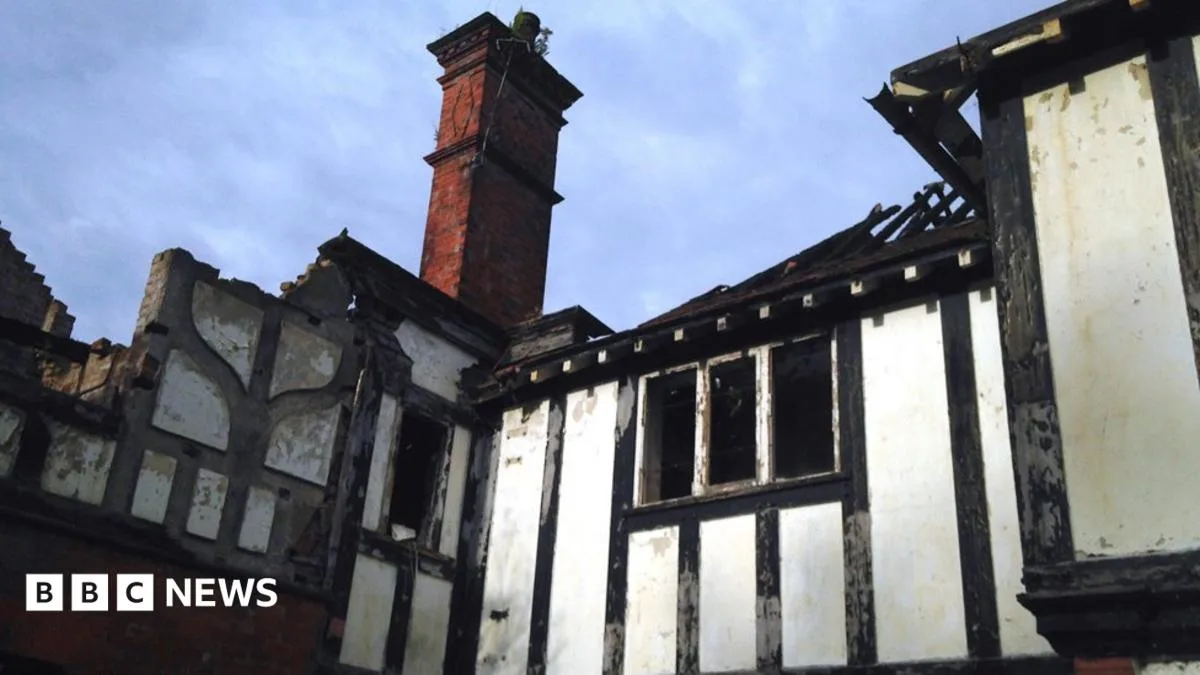
An opulent mock Tudor mansion in Cheshire's affluent 'Golden Triangle', owned by the Iranian government, has been left to decay for over 16 years, with locals branding it an unsightly eyesore. Brackendene, a property with an estimated value of up to £10 million, stands as a haunting relic of diplomatic history, its once-grand halls now echoing with neglect.
Historical Purchase and Grand Origins
Constructed around 1900, Brackendene was acquired by Iran during the 1970s under the reign of the pro-Western Shah Mohammad Reza Pahlavi. The mansion, nestled in Trafford, Greater Manchester, was originally a striking feature of the prosperous, leafy neighbourhood, overlooking the sweeping Cheshire Plains. It served as a hub for diplomatic discussions, trade meetings, and lavish social gatherings, with the Iranian consul-general even residing there at one point. The property was renowned for hosting some of the city's most extravagant parties within its now-crumbling walls.
Decline Following Political Upheaval
The mansion's decline is believed to have begun after the Islamic Revolution of February 1979, which overthrew the Shah and established the Islamic Republic under Ayatollah Ruhollah Khomeini. According to Amir Barik, a senior lecturer at Manchester Metropolitan University, this political shift marked the start of the property's deterioration. The situation worsened in 2005 when relations between Iran and Britain collapsed, with Iranian politicians urging a severance of diplomatic ties. Officially unoccupied since 2010, the mansion has fallen into a state of disrepair, with Trafford Council noting its abandonment.
Vandalism and Local Discontent
Striking drone photographs reveal the pitiful condition of Brackendene: windows boarded up, gardens overgrown, a greenhouse destroyed, and an outdoor pool covered in algae. The property has been ransacked by vandals, defaced with graffiti, and stripped of valuables. Local resident Deborah Jeffery expressed frustration, stating, "People pay a lot of money to live here because it is a quintessential English village. I walk past it every day... It is such a shame how it has been left, as the land around it is stunning. It's just waiting for someone to come along and snap it up and do it up really nice. I do wish they would come along sooner though, as it is an eyesore to the area." Other homeowners have echoed these sentiments, calling for restoration.
Diplomatic Challenges and Arson Attacks
Efforts to resolve the issue have been hampered by diplomatic complexities. In 2011, Iranian embassy representatives visited Trafford to discuss the building's future, but tensions escalated over Iran's nuclear programme. Protesters stormed the British embassy in Tehran, leading to a 48-hour expulsion of Iranian diplomats from the UK. During this period, three arson attacks within 11 months nearly destroyed the mansion, with the final incident in 2011 causing upper floors to collapse into the basement. Despite this, the Iranian owners have since repaired the roof and several floors, according to Trafford Council.
Financial Potential and Legal Hurdles
A local estate agent estimates that the house and land, without planning permission, are worth around £1.5 million. However, with proper planning and development, it could fetch up to £10 million. Reclaiming the land is not straightforward for the council, as it sits on diplomatic property owned by the Iranian government, preventing the use of a compulsory purchase order (CPO). Trafford Council has held numerous discussions with Iranian officials, stressing concerns and advising on security measures. A council spokesperson said, "The former Consul-General's House and the surrounding land is owned by the Iranian Government and is governed by diplomatic procedures limiting the ability of the Council to intervene." They have recommended that Iranian representatives seek planning advice and submit development proposals.
As Brackendene continues to deteriorate, its future remains uncertain, caught between diplomatic red tape and local desires for restoration in one of Britain's most prestigious neighbourhoods.