Housing Secretary Steve Reed has unveiled what he describes as the most significant upgrade to housing safety standards in a generation, with tough new rules set to transform living conditions for millions of renters across England.
Major Overhaul of Decent Homes Standard
The comprehensive reforms represent the first substantial revision to the Decent Homes Standard since 2006, introducing mandatory requirements that will place significant new responsibilities on landlords across both private and social housing sectors.
Key Safety Measures Announced
The package of measures includes several critical safety enhancements designed to protect vulnerable tenants:

- Compulsory child-resistant window restrictors to prevent dangerous falls from height
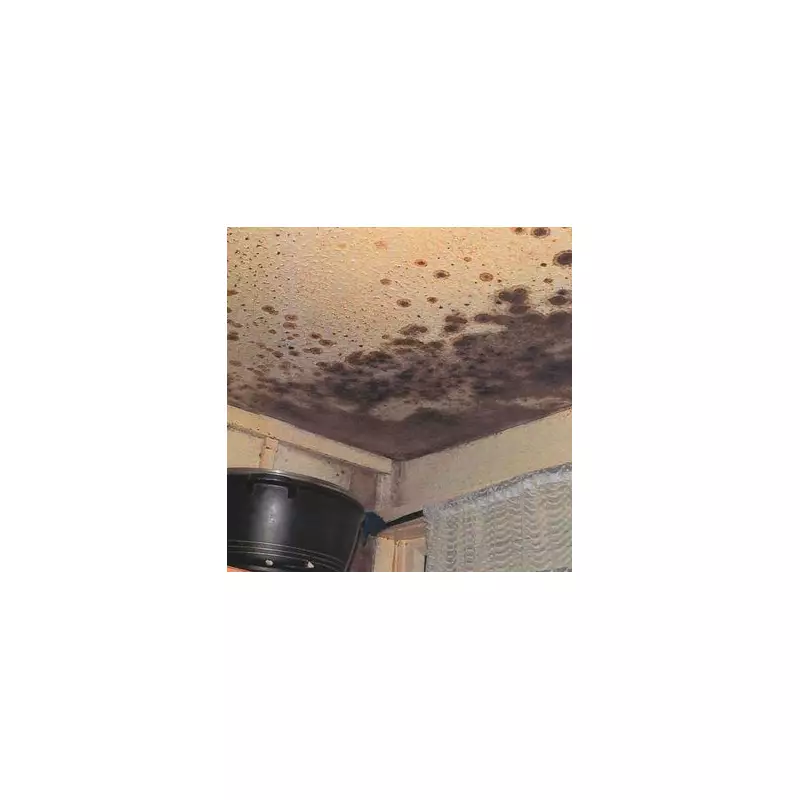
- A zero-tolerance approach to damp and mould in all rental properties
- Mandatory repairs for leaking roofs regardless of their age or condition
- New legal duties for landlords to fix conditions that could make tenants ill or put children at risk
Addressing the Mould Crisis
The reforms build directly upon the rollout of Awaab's Law, named in memory of two-year-old Awaab Ishak who died in 2020 from respiratory conditions caused by mould exposure in his family's Rochdale flat.
Official statistics reveal the scale of the problem, with approximately 250,000 children currently living in social housing affected by damp conditions. The new regulations will establish clear, enforceable standards to eliminate such hazardous living environments.
Energy Efficiency and Building Standards
From 2030, social housing landlords will face additional requirements to upgrade properties to meet enhanced energy efficiency standards, helping to reduce heating costs for tenants while contributing to national carbon reduction targets.
The government has pledged increased financial support for councils, housing associations, and other providers to accelerate housebuilding programmes alongside these safety improvements.
Impact on Rental Sector
Current figures indicate that more than 400,000 social housing households reside in properties that fail to meet existing decency standards. The reforms aim to address this while improving conditions across the entire private rental sector.
Housing Secretary Steve Reed emphasised the government's commitment, stating: "This is one of the biggest upgrades to housing standards in a generation, driven by the simple belief that no one should be left living in dangerous conditions. Everyone deserves a home that is safe, warm and fit to live in, and these changes will improve day-to-day life for 20 million people across the country."
The announcement follows growing concerns about housing conditions in both social and private rental sectors, with campaigners highlighting the need for stronger protections for vulnerable tenants and families living in substandard accommodation.