Maine's Real Estate Transfer Tax Revenue Surges, Sparking Funding Debates
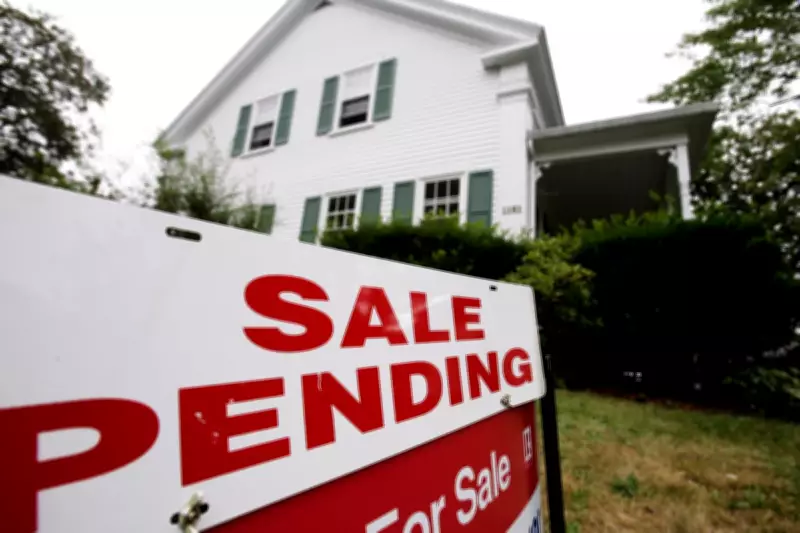
Maine lawmakers are currently evaluating proposals to allocate the state's expanding real estate transfer tax revenue towards supporting homeless shelters, in addition to existing affordable housing initiatives. These programs include assistance for first-time home buyers and foreclosure prevention efforts. The tax, collected from both buyers and sellers during property transactions, is experiencing significant growth driven by Maine's robust housing market and recent legislative adjustments.
Projected Revenue Increases and Market Dynamics
The Revenue Forecasting Committee projects the transfer tax will generate $57.4 million this year, with expectations reaching $68.6 million by 2029, up from $51.9 million in 2025. This growth correlates with rising median home prices across Maine. Notably, late last year saw the tax rate nearly triple for property sale portions exceeding $1 million, contributing to this revenue surge. Counties retain approximately 10 percent of collections for administrative costs, with the remainder funding housing programs.
Greg Payne, senior housing policy advisor to Governor Janet Mills, links support for the increased tax to Maine's expanding luxury home market. He argues that million-dollar home sales distort the market, making affordable options scarce for first-time buyers. "Many Maine families continue to rent because they can't afford to buy a home," Payne stated, adding they face "extraordinary price pressures in the rental market." The enhanced tax rate is anticipated to provide $17 million annually for affordable housing production, establishing Maine's first dedicated revenue stream for this purpose.

Tax Mechanics and Historical Context
The standard transfer tax rate is $2.20 per $500 of property value, shared equally between buyer and seller. For instance, a $395,000 home—February's median price—incurs a $1,738 tax. Properties sold for over $1 million after November 1, 2025, face a higher rate: $6 per $500 above the first million, often termed a "mansion tax" targeting affluent buyers. A $3 million property now generates about $28,000 in taxes, up from $13,000 previously.
Historically, transfer taxes compensated county registries for recording deeds. In the early 2000s, revenues split between Maine's general fund and the HOME Fund for first-time buyer programs. During the 2008 market crash, most funds shifted to the general fund. Recently, growing revenues have supported diverse housing initiatives, including housing bond payments, foreclosure prevention, and the Home For Good program aiding homelessness transitions.
Divergent Perspectives on Tax Efficacy
Experts offer contrasting views on the transfer tax's role. Jared Walczak of the Tax Foundation notes it allows officials to raise revenue from new buyers rather than increasing property taxes broadly, but penalizes movers with added fees in an already expensive market. Maine ranks 45th in property tax competitiveness, potentially disadvantaging less wealthy buyers. However, exemptions exist for first-time buyer programs and intra-family deeds.
Ron Rakow of the Lincoln Institute of Land Policy highlights that the tax affects only buyers and sellers, but revenues fluctuate with market conditions. This volatility was evident in 2009 when the mortgage crisis slashed revenue from $24.7 million to $17.8 million, prompting legislative reallocations. Conversely, Maura Pillsbury of the Maine Center for Economic Policy argues Maine's tax had lagged behind New England peers, and the increased rate on luxury homes targets those able to bear the cost without deterring purchases. She cites Maine's gradual population growth as a stabilising factor for future revenue.
Legislative Debates and Shelter Funding Proposals
Increased funding has ignited prolonged discussions on allocation. A bill from the Housing and Economic Development Committee proposes redirecting money from the enhanced transfer tax—initially earmarked for counties—to support homeless shelters. This follows 2025 closures of shelters in Mars Hill and York County due to funding shortages. Shelter advocates and the governor's office back the proposal, noting counties contribute only $68,000 annually to shelters versus $7 million from the state.

County administrators and municipal groups oppose the measure, fearing future fund raids and questioning why counties should bear the burden. Jean-Marie Caterina, a Cumberland County commissioner, emphasised counties' financial strains, particularly from jail system costs. "It's fabulous to increase money for the homeless, but if this so-called mansion tax is going to increase the state's portion, why hit the counties?" she questioned.
At a March 3 work session, lawmakers like Senator Richard Bennett advocated for direct state funding from the general fund instead of diverting housing or county money. The bill was amended to take 2 percent from the Housing Production Fund—which supports federal low-income housing tax credit projects—for shelters. Four Republicans and Bennett voted against this, preferring general fund sourcing. The bill has passed initial House and Senate readings but awaits further action.
Representative Traci Gere, committee co-chair, acknowledged the difficult trade-offs involved. "I feel like we're moving chairs around the deck," she remarked, stressing the need for clarity in reallocating resources from affordable housing production to shelter support.
This story was originally published by The Maine Monitor and distributed through a partnership with The Associated Press.