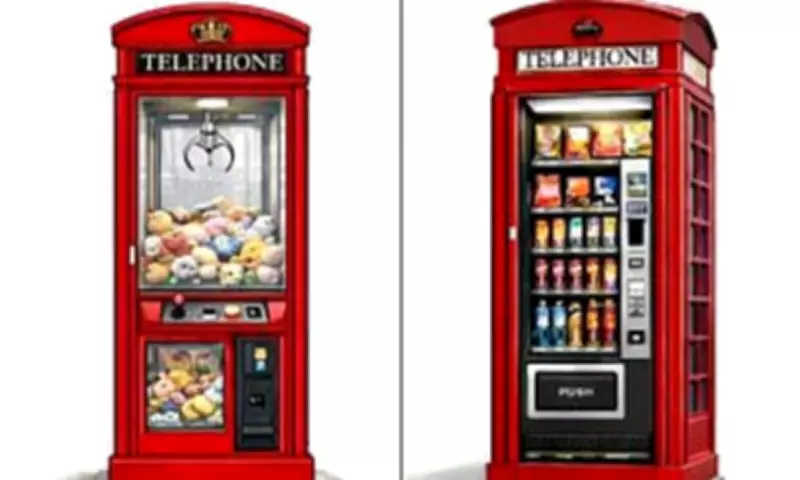
Residents and heritage advocates in Canterbury have launched a scathing critique of plans to transform two historic telephone boxes into commercial vending and arcade-style machines, branding the proposal as an act of 'cultural vandalism'. The iconic red booths, situated in the shadow of the city's historic Westgate Towers, are at the centre of a contentious planning application that has sparked a heated debate about preserving Britain's architectural heritage.
Controversial Conversion Plans
The application, submitted by Dylan Emmett, outlines intentions to convert one of the Grade II-listed phone boxes into an arcade grab machine, offering prizes such as soft toys and restaurant vouchers redeemable within Canterbury. The second booth would house a compact snack vending machine. Mr Emmett purchased both units at a property auction for £17,000, exceeding the guide price by £3,000, with the aim of creating a 'hive' of activity in an area undergoing council-led improvements.
Heritage Concerns and Public Outcry
Opposition to the scheme has been vocal and widespread. Dr Mehri-Holliday, an artist and senior research fellow at Canterbury Christ Church University, has joined forces with conservation groups to condemn the application. In a comment on the council's planning portal, Dr Holliday stated: 'This is one way of executing cultural vandalism, in my view. We don't need vending machines for junk food and pollutants in the form of claw-grab toys.'

She further argued that the city's efforts to develop cultural initiatives for all ages are undermined by such commercial proposals, saying: 'It is deeply disturbing that all we can come up with and offer for reactivating such national-historic icons is to use them to purchase junk.'
Conservationist Backlash
Stewart Ross of the Canterbury Commemoration Society expressed mixed feelings, noting delight that the 'iconic boxes are being preserved' but criticising the vending machine concept as 'not appropriate furniture'. He highlighted the proximity of existing retail options, stating: 'There is every possibility to buy whatever one wants only yards from the boxes, and naked commercialism seems inappropriate for their position at the entrance to the old city, with the Towers and the Gaol in the background.'
Ross also warned that the plan could detract from the city's heritage-based tourism appeal, adding: 'The council has done so much recently to enhance the city as a quality tourist venue, based on our fine heritage; it would be a pity to spoil this important site with something wholly heritage unrelated.'
Applicant's Defence and Previous Context
In his proposal, Mr Emmett contends that the restoration would be 'sensitive' and that any modifications would be 'visually contained within the kiosks'. He envisions collaborating with local businesses and restaurants to offer vouchers as prizes, arguing that this would incentivise spending within the community: 'Locals or tourists could win them, and then they'd be putting the money back into the restaurants.'
This is not the first attempt to repurpose the phone boxes; a previous applicant secured permission to convert them into retail units, but those plans never materialised. Mr Emmett now describes the situation as a 'waiting game', with council planning officials deliberating over his application amidst growing public scrutiny.
Broader Implications for Heritage Sites
The dispute underscores a broader tension between commercial innovation and heritage preservation in historic cities like Canterbury. As communities grapple with finding sustainable uses for outdated infrastructure, this case highlights the challenges of balancing economic viability with cultural integrity. The outcome of the planning decision could set a precedent for similar Grade II-listed structures across the UK, influencing how local authorities approach the adaptive reuse of historic assets in urban settings.