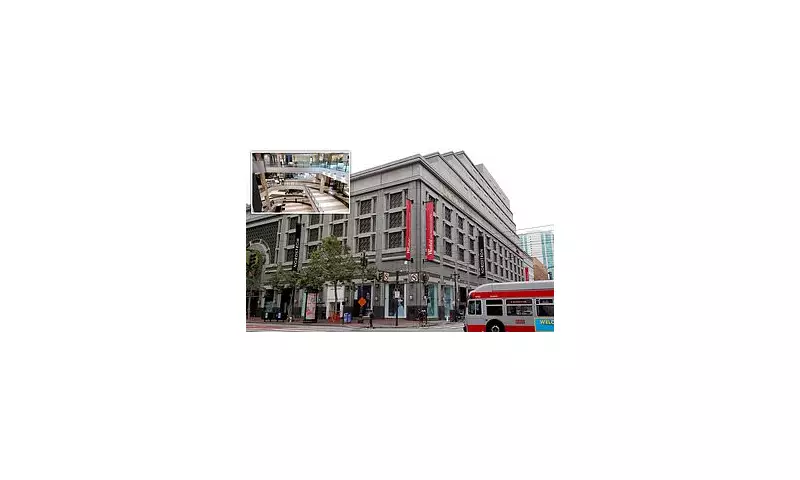
The final chapter is being written for one of San Francisco's most prominent retail landmarks. The San Francisco Centre, previously known as the Westfield Mall, will permanently shut its doors on January 26, marking the end of an era for the city's downtown shopping scene.
A Long Decline Accelerated by Pandemic and Urban Challenges
An employee from the mall's last remaining store confirmed the closure date to the San Francisco Chronicle, bringing months of speculation to a definitive conclusion. The iconic shopping destination's troubles began well before the COVID-19 pandemic, but its downward spiral accelerated dramatically in the years that followed.
Once boasting approximately 200 stores within its 1.5 million square foot space, the mall saw its fortunes change as sprawling homeless encampments, rising crime rates, and decreased downtown foot traffic deterred both tourists and local residents. The situation became particularly dire after major anchor stores began their exodus.

Anchor Departures and Tenant Exodus
The mall's flagship Nordstrom closed its doors in 2023, followed by Bloomingdale's in 2025. These departures created a domino effect, with remaining tenants gradually receiving lease termination notices throughout 2025. By year's end, the majority of shops and restaurants had already vacated the premises.
ECCO shoe store became the final retail holdout, operating as the lone remaining shop in what was once San Francisco's largest and most prominent mall. That store will close alongside the entire complex this week, completing the retail evacuation that began years earlier.
Infrastructure Changes and Urban Context
Compounding the mall's challenges, San Francisco's Bay Area Rapid Transit system sealed off a major entrance connecting the Powell Station concourse to the shopping center earlier this year. BART officials indicated they would consider reopening the entrance should new ownership emerge with different plans for the property.
The urban environment surrounding the mall presented significant obstacles. San Francisco's homeless population reached a peak of over 8,000 individuals in 2024, while gun assaults, shoplifting incidents, and drug offenses continued to rise in the downtown area.
Financial Collapse and Ownership Transfer
The property's financial decline has been stark. Valued at approximately $1.2 billion about a decade ago, the mall was foreclosed upon in November and subsequently sold to lenders including JPMorgan Chase and Deutsche Bank for just $133 million.
This dramatic devaluation reflects both the specific challenges facing this property and broader trends affecting traditional retail spaces across the United States as consumer behavior shifts toward online shopping.
Nostalgia and Municipal Response
News of the permanent closure has triggered waves of nostalgia among long-time San Francisco residents. Former customers shared memories with local outlet KRON4, recalling holiday visits to see Santa, regular shopping trips, and social gatherings at what was once a bustling community hub.
"I get really sad thinking that nobody comes here anymore," former customer Ashley Fumore told the outlet. "My friends and I would always just come here and meet up. We used to go see Santa. We used to do all kinds of things."
Newly elected Democratic Mayor Daniel Lurie has made addressing downtown crime and drug problems a priority during his first year in office. Reports indicate his administration has achieved a 30 percent reduction in citywide crime over the past year, though these efforts appear to have come too late to save the struggling shopping center.
Uncertain Future for Prime Real Estate
The future of the sprawling, now-vacant property remains unclear. Nationwide, shuttered malls have been transformed into various alternative uses including housing units, warehouse spaces, and government offices. What specific path the San Francisco Centre property will take remains to be determined by its new owners and city planners.
The closure represents more than just another retail casualty—it symbolizes the profound changes affecting urban centers across America as they grapple with post-pandemic realities, evolving consumer habits, and complex social challenges.