

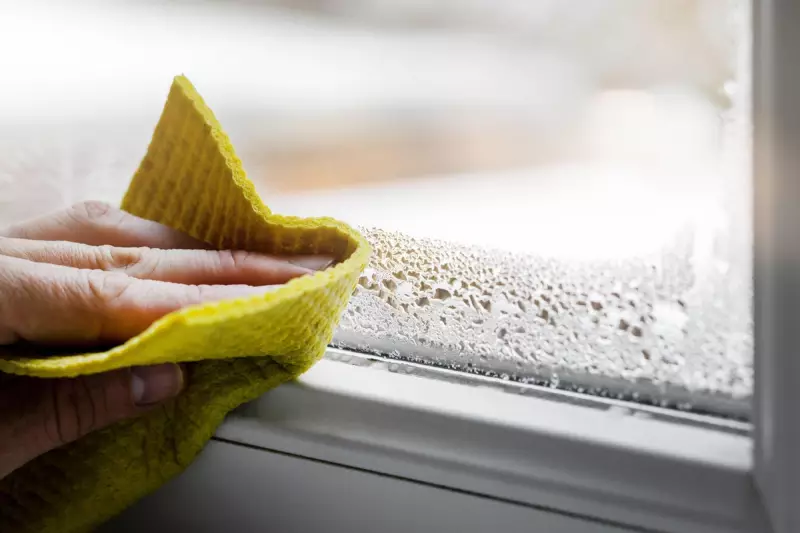
As another cold snap grips the UK, a familiar sight returns to homes across the country: windows streaming with condensation. This winter nuisance, caused by warm, humid indoor air meeting cold glass, is more than just an eyesore. Persistent moisture can damage window frames and encourage mould growth, creating an unhealthy living environment.
Understanding the Winter Condensation Problem
Condensation forms when moisture-laden air comes into contact with a cold surface, turning from vapour into liquid water droplets. During the UK's colder months, the problem intensifies. Windows, particularly older or single-glazed units, lose heat rapidly. Meanwhile, indoor heating is turned up and homes are sealed tight against the chill, trapping moisture generated from everyday activities.
Everyday actions like showering, cooking, boiling kettles, and even breathing add litres of moisture to your home's air each day. When your window pane is the coldest spot in the room, that moisture inevitably settles there.

Is Condensation Damaging Your Home?
A brief morning mist on your windows is often normal, especially in older properties. However, persistent condensation signals a problem that requires attention. The continuous damp can cause timber frames to swell, peel paint, and eventually rot. It creates the perfect damp environment for black mould to thrive on sills, walls, and behind curtains.
One critical type of condensation indicates a window failure: misting or fogging trapped between the panes of a double-glazed unit. This almost always means the seal has failed and the insulating gas has escaped. In this case, the sealed unit itself must be replaced, as repairs are not possible.
Quick Actions to Clear Condensation Now
For immediate relief during a cold spell, these steps can remove existing moisture and prevent new buildup, though they may not solve underlying humidity issues alone.
- Wipe windows dry each morning: Use a microfibre cloth or a specialised window vacuum to remove droplets before they soak into frames.
- Use short bursts of ventilation: Open windows for a few minutes to replace humid indoor air with drier outside air.
- Run extractor fans properly: Keep kitchen and bathroom fans on during and for 15–20 minutes after cooking or showering.
- Contain humid air: Keep internal doors closed, especially to kitchens and bathrooms, to stop moisture spreading to cooler rooms.
- Promote airflow: Move large furniture slightly away from external walls to prevent cold spots where condensation forms.
Long-Term Solutions to Stop Condensation for Good
Tackling the root causes—excess humidity, cold surfaces, and poor airflow—is key to a permanent solution. These strategies improve indoor air quality and protect your windows.
Improve ventilation consistently. Keep trickle vents open year-round to allow a steady air exchange. Consider a whole-home ventilation system like Positive Input Ventilation (PIV) for properties with chronic damp air.
Actively reduce humidity sources. Dry laundry outdoors or in a well-ventilated room with a dehumidifier. Maintain a consistent, moderate background heat to keep surfaces warmer. Using a dehumidifier in problem rooms like kitchens and bedrooms can effectively manage moisture levels.
Consider upgrading your glazing. Modern, energy-efficient A-rated double glazing keeps the inner pane significantly warmer, drastically reducing condensation. If your existing double glazing has failed internally, replacing the sealed unit is the only effective fix.
It is crucial to balance insulation with ventilation. A well-insulated home maintains stable temperatures, but without adequate airflow, humidity becomes trapped indoors, exacerbating the problem.
When Condensation Points to a Serious Issue
If you notice persistent black mould, damp patches on walls, or a musty smell, the condensation may be a symptom of a larger problem. Structural issues like leaking gutters, cracked render, or damaged pointing can allow penetrating damp. In older solid-wall homes, inadequate ventilation can lead to chronic moisture retention.

Persistent mould that returns after cleaning is a sign you should seek professional advice. A qualified damp specialist can diagnose whether you're dealing with simple condensation, rising damp, or penetrating damp, and recommend the correct treatment to protect your property and health.





