The £15 Salad Revolution: How Desk Lunches Became Luxury Health Statements
Remember when a meal deal meant change from a fiver? Those days of sub-£3 sandwiches, crisps and drinks feel like ancient history in today's landscape of premium salad bowls commanding fifteen pounds at the till. What was once a functional midday refuel has transformed into an ambitious – and expensive – culinary statement.
The New Lunch Economy
Walk into any Pret a Manger, atis, or Honest Greens in central London, and you'll encounter an array of substantial salad bowls priced around the £15 mark. This isn't isolated to one chain – Farmer J has elevated school-tray dinners to chic status, while even Robuchon now operates deli bars. The Salad Project, launched in 2021, reportedly sells around 4,000 salads daily across seven sites, with some offerings reaching £20 and queues regularly forming.
Whole Foods' build-your-own salad bar illustrates the psychological shift: at £2.40 per 100g, what begins as reasonable quickly escalates as portions grow, culminating in that small internal reckoning when the total flashes at the checkout. Something fundamental has changed when Fortnum & Mason's basement offers what might be considered central London's best-value salad experience.

Treatonomics and the Hybrid Work Effect
This phenomenon represents what might be called "treatonomics" – the normalisation of premium spending on daily necessities. For Millennials once criticised for £5 flat whites, the new reality of £15 lunches represents a significant escalation. At five days weekly, this approaches £4,000 annually on lunch alone.
Hybrid working patterns provide the economic rationale: with fewer office days, workers feel justified spending more on the lunches they do purchase. This removes traditional constraints that kept midday meals modest and affordable, creating space for larger, more elaborate – and pricier – offerings.
Nutritional Transformation or Calorie Inflation?
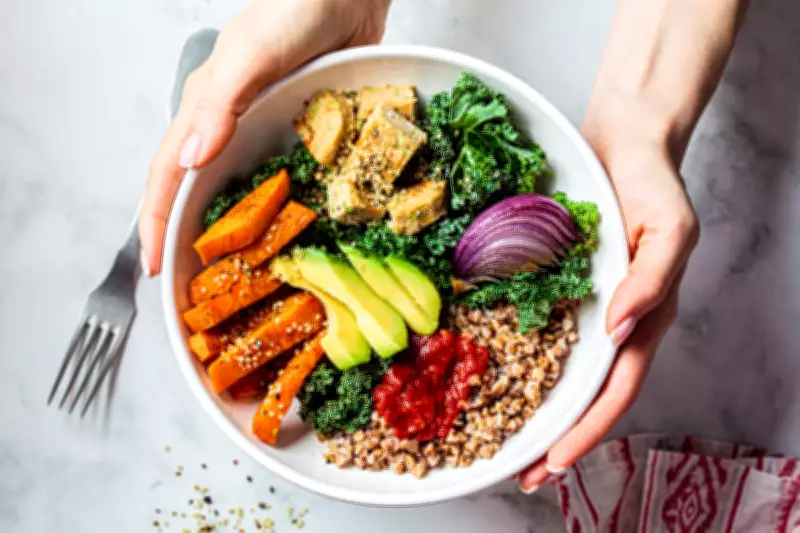
Modern salads bear little resemblance to their limp-leaf predecessors. Today's bowls feature roasted vegetables, premium proteins, exotic seeds, and artisanal dressings. According to Waitrose's 2025 Food & Drink Report, we're witnessing a wholesale rehabilitation of fibre, redemption for healthy fats, and a carbohydrate comeback tour.
Yet the nutritional reality gives pause. Pret's £14.95 miso salmon bowl contains 761 calories with 47.1g of fat, while atis's High Steaks bowl delivers 735 calories with approximately 50g of fat. These are substantial meals that challenge traditional notions of "light" lunch options.
The Portion Distortion Problem
Nutritionist Jo Travers identifies portion size as the critical issue. "What we actually need versus what we're offered is now quite distorted," she observes. While vegetables themselves rarely cause problems, carbohydrate portions can quietly multiply, leading to blood sugar spikes and subsequent crashes – explaining the familiar 3pm slump.
Travers suggests a simple guideline: a fist-sized portion of grains usually suffices for a meal. When this doubles, nutritional balance suffers despite the health halo surrounding whole-food ingredients.
The Health Halo and Its Limits
These premium salads benefit from what nutritionists call the "health halo" – the perception that foods appearing in their natural state must be nutritionally superior. Travers acknowledges this has merit: "If what you see is mainly food in an almost natural state, that's a really good indication."
Where the glow fades is when foods become overly processed while retaining health-focused marketing. Protein bars using extruded pea protein, for instance, may wear the language of wellness while bearing little resemblance to actual peas.
Salad Bars Versus Meal Deals
Despite concerns about portion sizes and pricing, Travers maintains that salad bars generally represent better nutritional choices than packaged sandwiches. "If you're getting a meal deal sandwich, there's not a great deal in that," she notes. "It's way better to go to a salad bar" for variety, different fibres, and micronutrients supporting gut health.

The fundamental shift lies in how we conceptualise lunch value. Bigger feels better, more nutrients justify more calories, and more calories justify higher spending. Health, indulgence, and perceived value have collapsed into a single £15 transaction.
The Lost Middle Ground
Salads have journeyed from joyless dietary punishment to aspirational nutritional showcases. In solving the problem of bad lunches, we may have created another: the disappearance of the normal, affordable, filling lunch that's healthy enough without requiring macro calculations, post-meal recovery, or significant financial investment.
Pret's confidence in pushing £15 salads – alongside rumours of a potential stock market float – suggests salad economics are working for businesses. The question remains whether they're working for consumers seeking balanced nutrition without budgetary strain. What's vanished isn't the meal deal itself, but the very idea of an ordinary lunch that's simply good enough.