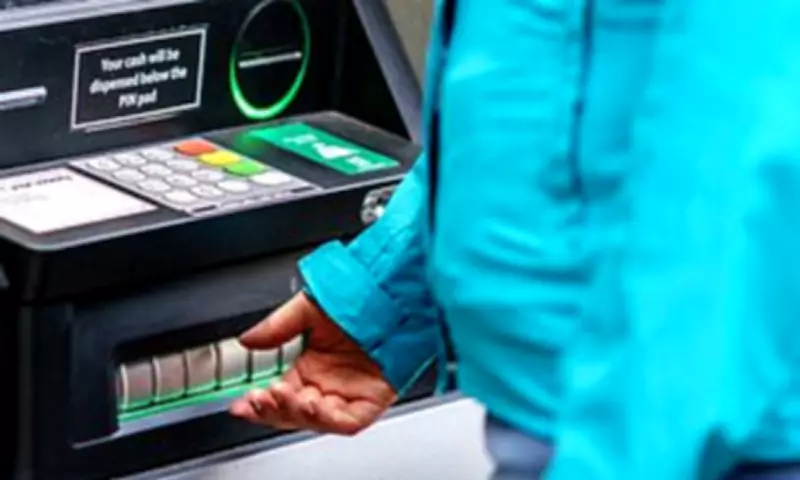
Cash Machine Use Declines Dramatically Across the United Kingdom
Newly released figures have revealed a significant decline in ATM withdrawals across the UK, with the average adult now making just 15 trips to cash machines per year. This represents a substantial shift in consumer behaviour as digital payment methods continue their relentless rise in popularity.
Regional Variations in Cash Withdrawal Patterns
Londoners have abandoned cash at the fastest rate since records began in 2019. Last year, the average consumer in the capital withdrew £1,458 from machines, marking a dramatic 43 per cent decrease. This was closely followed by the rest of the South of England, where withdrawals fell by 42 per cent.
In the South West, the average person took out just £974 – the first time any region has dipped below the £1,000 threshold in recorded data. Across the entire UK, ATM users typically withdrew £1,352 last year, representing a 5 per cent decrease compared with 2024 figures.

Persistent Regional Differences Despite Overall Decline
Northern Ireland maintained its position as the most 'cash heavy' region, with consumers withdrawing an average of £2,249. However, this still represents a notable 23 per cent decrease since 2019. In England, the North East withdraws the most cash at approximately £1,604, though this marks a 32 per cent decline.
Meanwhile, consumers in Wales take out around £1,355 each year, which has fallen by 32 per cent. Scottish ATM users withdraw an average of £1,550 – a substantial 40 per cent less than before the pandemic period.
The Changing Landscape of Cash Access
Link, the UK's main cash machine network which conducted this research, reported that ATMs still constitute the bulk of withdrawals nationwide, ahead of cashback services and counter transactions at bank branches and post offices. Interestingly, although people are visiting ATMs less frequently, they tend to withdraw larger amounts when they do make transactions.
The figures reveal that there were 832 million withdrawals in the UK last year – approximately 9 per cent fewer than in 2024. By the end of last year, there were 5 per cent fewer cash machines than in 2024, with 33,710 being free to use and 8,693 charging a fee.
Consumer Behaviour and Payment Preferences
Just under half of adults (48 per cent) reported that they still carry a physical purse or wallet with them, often preferring contactless payment methods for everyday transactions. However, 61 per cent said they had experienced payment failures and systems outages, which forced them to either abandon purchases or rely on others to pay for them.
Despite the overall decline in cash usage, 51 per cent of respondents reported they had used cash within the last week, indicating that physical currency still plays a significant role in the UK economy.
Expert Commentary on the Cash Transition
Graham Mott, director of strategy at Link, commented on the findings: 'Even though usage is falling in every part of the UK, cash remains essential to millions of people. The data clearly shows a nationwide transition toward digital payments, but physical currency continues to serve important functions for substantial segments of the population.'
This comprehensive research, which covers only Link ATMs, provides valuable insights into how payment preferences are evolving across different regions of the United Kingdom, highlighting both the rapid adoption of digital methods and the persistent, though diminished, role of cash in daily economic life.