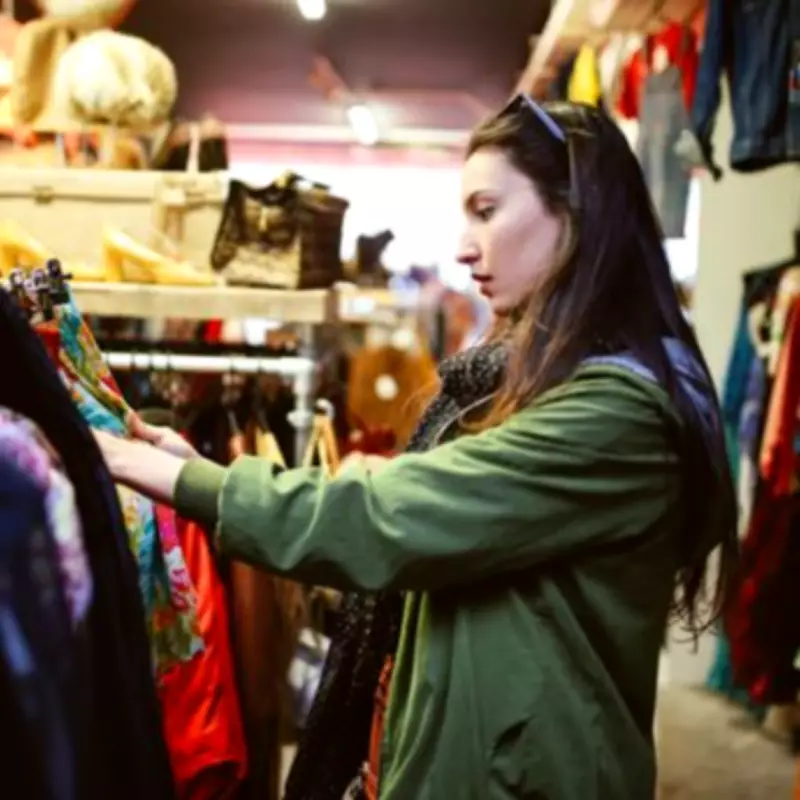
A woman has shared her astonishment after a routine trip to her local charity shop turned into an extraordinary bargain-hunting success story. The shopper, browsing in a Goodwill store in the United States, stumbled upon two remarkable items: a designer handbag and a printer, both priced at a fraction of their original value.
Incredible Savings on High-Value Items
In a Reddit post titled "Very surprised with today," the woman posted images of her impressive haul. While the brand of the handbag was not visible in the photos, she included a picture of its original price tag showing it retailed for $198 (approximately £148) when new. She revealed she purchased it for just $30 (about £22), saving over £120.
The printer proved equally remarkable, costing her only $10 (roughly £7.51) despite typically retailing for over £250. These finds demonstrate how charity shopping can yield significant financial savings while promoting sustainable consumption practices.

The Broader Benefits of Charity Shopping
Shopping at thrift stores provides multiple advantages beyond individual savings. These establishments fund charitable causes, promote environmental sustainability through item reuse, and offer unique, affordable products. Additionally, they help reduce landfill waste, combat fast fashion's environmental impact, strengthen local communities, and create volunteering opportunities that enhance mental health and skill development.
Inside Charity Shop Operations
Recent discussions on social media have shed light on the realities of working in thrift stores. One volunteer highlighted the issue of donors contributing dirty clothing, noting that staff must sort through such items before they can be displayed. Another common misconception involves customers asking for specific sizes of donated clothing.
As TikTok user Stacey, known as "Queen of Preloved," humorously pointed out, charity shops typically cannot accommodate requests for different sizes since they rely on individual donations, making most items one-of-a-kind. While exceptions occasionally occur, shoppers should generally expect unique pieces rather than standardized inventory.
These insights underscore the importance of mindful donations and realistic expectations when shopping at charity stores, which continue to provide valuable services to communities and environmentally conscious consumers alike.