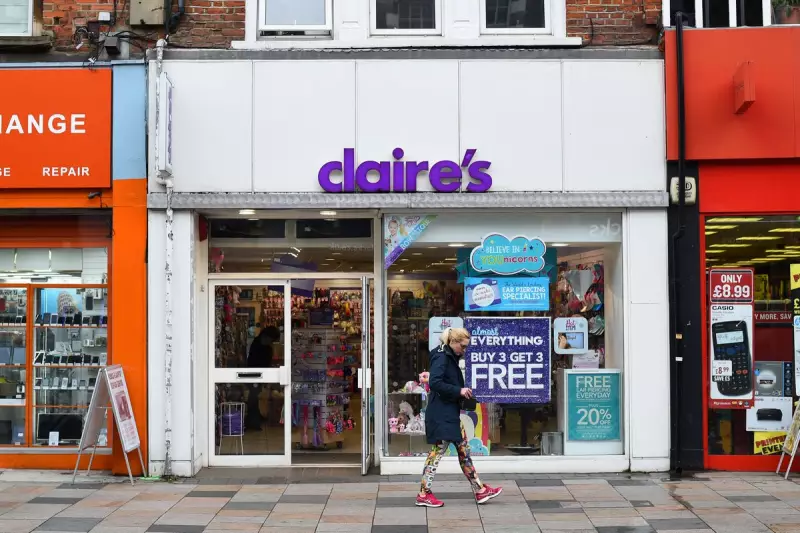
The familiar lilac storefronts of Claire's Accessories could soon vanish from British high streets, as the jewellery and accessories chain stands on the precipice of collapse for the second time in just six months. The potential administration puts more than 1,000 jobs at risk across the UK and Ireland.
A Second Filing for Administration
Claire's has once again filed a notice of intention to appoint administrators, casting a shadow over the future of its remaining 156 stores. This move comes mere months after the brand was rescued from a similar fate in September 2024 by the private equity firm Modella Capital. Insiders suggest the latest rescue plan was derailed by Chancellor Rachel Reeves's overhaul of business rates in the recent Budget.
A company spokesperson cited a perfect storm of "very weak consumer confidence, highly adverse government fiscal policies and continued cost inflation". They argued this climate is causing suffering for many established businesses. However, a deeper look at Claire's business model reveals challenges that extend far beyond the current economic headwinds.

From Tween Staple to Dated Relic
Claire's arrived in the UK in 1997, perfectly capturing the aspirational 'tween' market. For a generation, it was the destination for sparkly hair clips, gaudy jewellery, and its infamous in-store ear-piercing service. Alongside retailers like Tammy Girl, it catered to a previously underserved demographic, flourishing to a peak of 465 UK stores by 2010.
Yet, its fortunes dwindled in the following decade. A restructuring in 2018 reduced its UK footprint to 370 outlets. Its US parent company faced its own turmoil, entering administration in 2018 and filing for bankruptcy earlier this month. The brand's core issue became a glaring mismatch: selling what was essentially cheap, disposable fashion at premium prices.
Why Nostalgia Wasn't Enough
While the potential job losses are a serious concern, the brand's failure to evolve sealed its fate. Claire's specialised in low-cost, trend-driven items—plastic jewellery prone to tarnish and trinkets destined for landfill. The greater sin, however, was charging prices that belied their quality.
A child's lip balm could cost £6, while a simple plastic necklace retailed for £12. Even its signature ear-piercing service, though 'free', required the purchase of earrings starting at £25, undercut by high street jewellers like H Samuel. A bottle of aftercare solution was priced at a staggering £15, compared to £4 elsewhere.
For years, Claire's survived due to a lack of direct high street competition. Today, that monopoly has been shattered by online giants. Brands like Temu and Shein, despite their own controversies, offer similar low-grade accessories at a fraction of the cost. When faced with a choice between equally mass-produced items, consumers found little reason to pay Claire's inflated prices.
Claire's joins a growing list of high street giants, from Woolworths to Wilko, that failed to adapt. The lesson is clear: a familiar name cannot forever compensate for a poor customer experience, outdated products, and unjustifiable pricing. Shops cannot live on nostalgia alone, and consumers have decisively voted with their wallets.