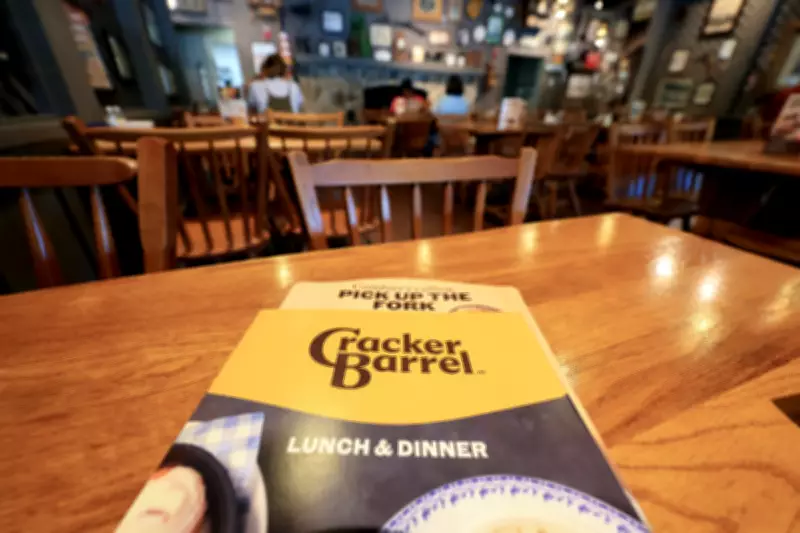
In a significant move to control expenses and reinforce brand loyalty, the Southern restaurant chain Cracker Barrel has issued a directive mandating that its employees eat at company-owned locations while traveling for work. This internal policy, which has been revealed through documents obtained by the Wall Street Journal, stipulates that staff must prioritise dining at Cracker Barrel stores for the majority of their meals during business trips, provided it is practical based on their location and schedule.
New Travel and Expense Guidelines for Employees
The company's updated travel meal guidelines explicitly state that employees are expected to dine at a Cracker Barrel store for all or the majority of meals while traveling, whenever feasible. This rule is part of a broader effort to trim operational costs and streamline reimbursements. Additionally, the policy introduces strict restrictions on alcohol purchases during business trips, prohibiting reimbursement unless employees pay out of pocket or obtain pre-approval from senior leadership for special occasions.
The Independent has reached out to Cracker Barrel for comment on this new directive, but a response is still pending. This policy emerges against a backdrop of financial challenges for the chain, including sagging customer traffic and slowed revenue growth in recent years. The company is actively seeking ways to reduce expenditures and improve its bottom line amidst these ongoing pressures.

Backlash from Failed Rebrand and Menu Changes
Cracker Barrel continues to grapple with the fallout from its disastrous rebranding efforts in 2025, which led to significant customer dissatisfaction and financial losses. The chain's attempt to modernise its image, including removing the long-standing mascot Uncle Herschel from its logo and adopting a minimalist design, was met with fierce criticism. Influencers and conservative commentators labelled the changes as "woke," and even former President Donald Trump publicly urged the company to revert to its classic look.
The backlash was so severe that it resulted in an estimated $94 million loss in market value in a single day following the rebrand's unveiling in August. In response, Cracker Barrel quickly acknowledged the public outcry and announced it would scrap the revamps, assuring customers that beloved elements like rocking chairs on the porch and vintage Americana would remain.
Customer Discontent Over Menu Alterations
Beyond the rebrand, customers have expressed growing ire over recent menu changes at Cracker Barrel. Diners have complained about shifts such as batch-made cookies replacing freshly rolled dough and sides like green beans being prepared in ovens rather than on the stovetop. Some patrons have even taken to bringing their own maple syrup to restaurants in protest of the new offerings, highlighting a deep-seated dissatisfaction with the chain's culinary direction.
CEO Julie Felss Masino reflected on the intense backlash, stating it made her feel "fired by America," underscoring the emotional and financial toll of these missteps. The company's efforts to modernise interiors across its more than 650 locations have also faced criticism for stripping away the nostalgic identity that has long defined the chain.
Strategic Implications and Future Outlook
The new travel meal policy is seen as a strategic measure to bolster internal support for the brand while cutting costs. By requiring employees to dine at Cracker Barrel during work trips, the company aims to foster a sense of unity and commitment among staff, potentially improving morale and alignment with corporate goals. However, this move may also raise questions about employee autonomy and satisfaction, particularly regarding dietary preferences and travel convenience.
As Cracker Barrel navigates these challenges, the focus remains on stabilising its financial performance and rebuilding customer trust. The chain's ability to balance cost-cutting initiatives with maintaining its core identity will be crucial in determining its future success in a competitive restaurant landscape.