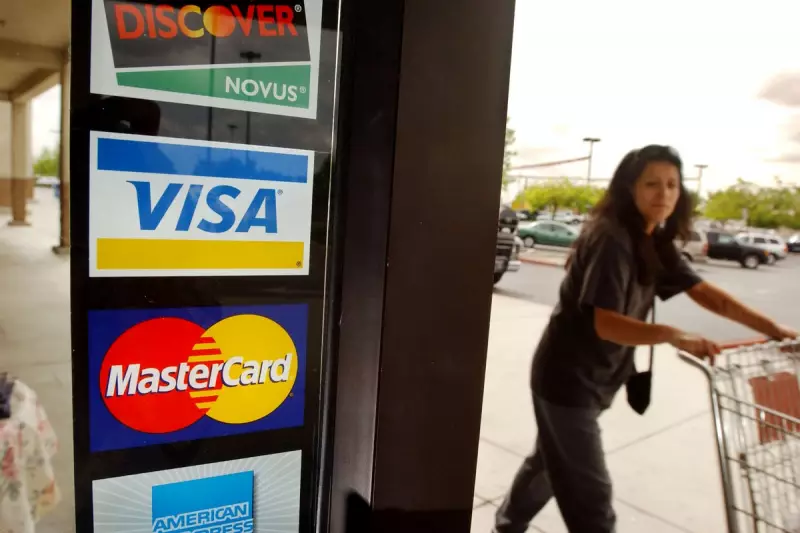
While credit cards often steal the limelight with their rewards and offers, a new report confirms that the humble debit card remains a powerhouse for everyday spending. According to the latest data from the US Federal Reserve, shoppers used their debit cards for a staggering 100.7 billion transactions in 2023, generating a total of $4.7 trillion in purchase value.
Steady Growth in Debit Card Usage
The Federal Reserve's study, which analysed data from 13 networks like Visa and 166 card issuers, shows that while debit card use is growing, the pace has moderated. From 2021 to 2023, transaction volume and value grew at an average annual rate of 4.6 percent. This marks a significant slowdown compared to the pre-pandemic period between 2009 and 2021, when average annual growth rates stood at 7.8 percent by volume and 9.5 percent by value.
This sustained growth underscores the card's entrenched position in the payment landscape, particularly for budget-conscious consumers who prefer to spend directly from their current accounts without accruing debt.

The Physical Card Holds Strong Against Digital Shift
Despite the rise of online shopping and digital wallets, the physical plastic card is far from obsolete. The report found that consumers used a physical card for 65.6 percent of their debit purchases. The remaining 34.4 percent were 'card-not-present' transactions made online or over the phone.
Interestingly, the average spend is still higher for virtual transactions. In 2023, the average 'card-not-present' purchase was $63.96, compared to $36.99 for in-person, 'card-present' swipes. However, the Fed notes this gap is closing as e-commerce expands to include more frequent, lower-value purchases, bringing the average online transaction value down.
Credit or Debit? Shoppers Have a Clear Preference
Anyone who has used a debit card at a supermarket or petrol station will be familiar with the prompt: 'credit' or 'debit'? The Fed's data reveals a definitive favourite. The vast majority of transactions—71.4 percent by volume and 72.9 percent by value—were processed as 'dual-message' or credit transactions, which are typically signature-authenticated.
The remaining payments used the 'single-message' or debit option, which requires a PIN. This preference for the credit option, even when using a debit card, highlights consumer habits and potentially the influence of faster transaction speeds or retailer preferences at the point of sale.
For the UK market, these trends offer a valuable transatlantic comparison. As British consumers navigate similar choices between physical and digital payments, and between debit and credit, the underlying shift towards steady, high-volume debit use reflects a global pattern of pragmatic spending.