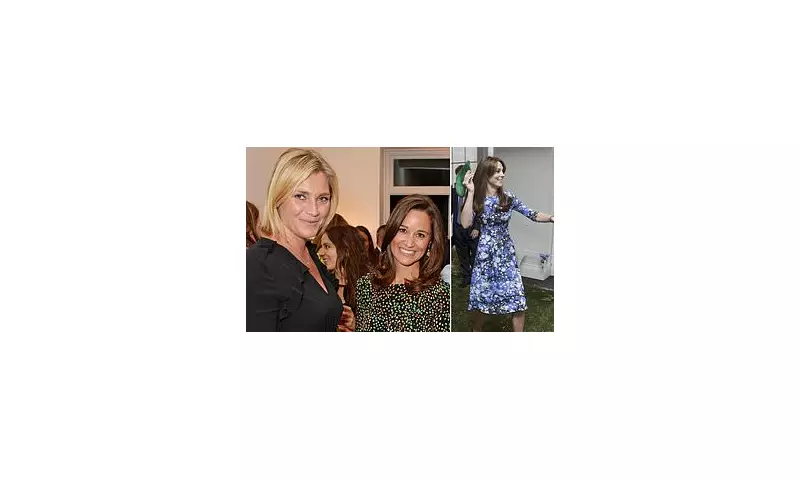
Fashion designer Tabitha Webb has built a career on bold choices, yet it is the British taxpayer who is once again facing the financial fallout from one of her business ventures. Her company, Tabitha Designs Ltd, has entered voluntary liquidation with debts exceeding £700,000, a significant portion of which is owed to the taxman.
A Royal Favourite Faces Financial Ruin
Established in 2013, Tabitha Designs Ltd became known for its vibrant silk and cashmere outfits, gracing high-profile figures including the Princess of Wales, Holly Willoughby, and Emilia Fox. Despite this prestigious clientele, the company has succumbed to post-pandemic business challenges and declining sales. A spokesman for the liquidators confirmed the director's 'difficult decision', noting it is unlikely creditors will be repaid.
The collapse leaves HM Revenue and Customs (HMRC) owed approximately £50,000. This marks a recurring pattern for the Oxford-educated designer, who gave up a successful advertising career to launch her label.

A History of Business Insolvency
This is not the first time Webb's entrepreneurial efforts have ended in insolvency. Her track record includes several failed companies:
- Tabitha Webb Ltd liquidated in 2007, owing over £214,000 to creditors and £60,000 to HMRC.
- Tabitha Accessories closed with debts of £135,000.
- Ragdoll Management, a venture co-founded with pop star Dannii Minogue in 2013, collapsed with £1.2 million of debt.
Webb, 50, attended the exclusive Wycombe Abbey school and published a novel, 'No Regrets', in 2020. She lives with her geologist husband and their two daughters.
Royal Endorsement Was Not Enough
The brand enjoyed notable royal patronage. The Princess of Wales wore a blue space-themed dress to a premiere in 2015 and a chevron cashmere sweater for a video call during the 2020 lockdown. In 2023, Webb was pictured with Pippa Middleton at the launch of her first retail store. However, this high-profile support ultimately could not safeguard the business from financial failure.
The liquidators' statement paints a stark picture, attributing the collapse directly to the lingering effects of the pandemic and a sustained drop in sales. With liabilities set to exceed assets, the episode serves as another cautionary tale from the volatile world of fashion retail, where celebrity appeal does not guarantee commercial success.