The iconic American drive-thru, a symbol of roadside convenience for over a century, is facing a significant reckoning. A clear sign of this shift comes from Missouri, where a beloved burger chain has been forced to close a substantial portion of its restaurants.
An American Icon Confronts Hard Times
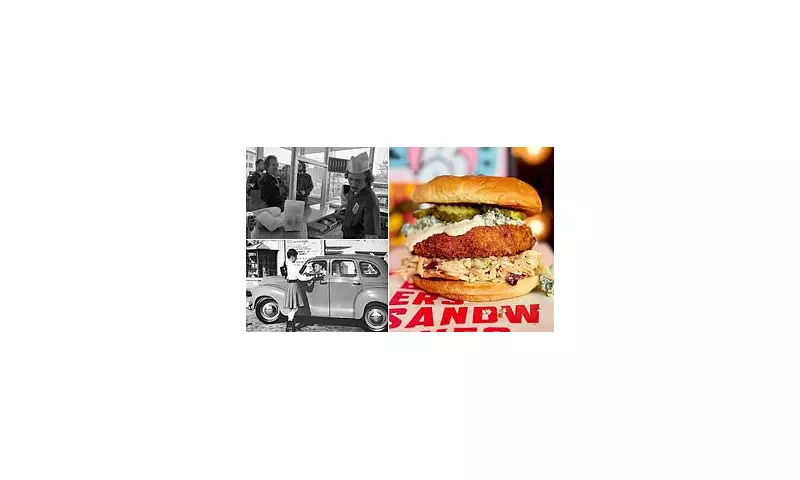
Hi-Pointe Drive-In, a staple of St Louis, Missouri since the 1980s, has shuttered three of its locations. The chain, famed for its extravagant smashburgers, stacked sandwiches, and decadent milkshakes, broke the news to its customers via social media on January 6. This move reduces its total footprint from nine to just six remaining sites.
The company stated the closures were a "tough but necessary decision" made in light of the current realities within the fast food sector. Its original location in the historic Hi-Pointe neighbourhood, perfectly positioned off Highway 40 for refuelling drivers, exemplified the model that once made such drive-ins immensely popular. That model, however, is now under severe pressure.

The Rise and Potential Fall of the Drive-Thru
The drive-thru concept is deeply woven into American culture. It began with Kirby's Pig Stand in Dallas, Texas, in 1921, catering to the nation's booming car ownership. The format was revolutionised in the early 1950s by In-N-Out Burger, which introduced a two-way speaker system for ordering from the car. Giants like McDonald's, Burger King, and Wendy's soon followed, building empires on the promise of speed, ease for busy families, and a perfect fit for suburban life.
Today, consumer habits are evolving. The appeal of waiting in a drive-thru queue is waning for some, who now prefer the comfort of food delivery or the simplicity of curbside pickup. The experience of dining in, which vanished during pandemic lockdowns, has also regained its social appeal. Furthermore, cost is a critical factor; with inflation, fast food is often no longer a cheap alternative to a home-cooked meal, especially when factoring in fuel costs.
A Changing Landscape, Not an Obituary
Despite these challenges, reports of the drive-thru's death are premature. Drive-thru sales still account for a dominant 65 percent of fast food revenue. The broader trend of convenience dining—which drive-thrus pioneered—is thriving, with nearly 75 percent of all restaurant traffic occurring off-premises.
Recognising the need to adapt, major chains are investing heavily to modernise the experience. Innovations include digital menu boards, integration with mobile apps, AI voice ordering systems, multi-lane configurations, and dedicated pickup windows. These investments signal that the industry sees a future for the drive-thru, but one that must be faster, more accurate, and digitally integrated to survive.
The struggle of Hi-Pointe Drive-In is a poignant microcosm of a sector in transition. While the classic, nostalgia-laden drive-in may be struggling, the core demand for quick, convenient food is stronger than ever. The future will belong to those who can successfully bridge the gap between their storied past and the new expectations of modern consumers.