Supermarket Egg Shortages Emerge Following Avian Flu Outbreak at Major Producer
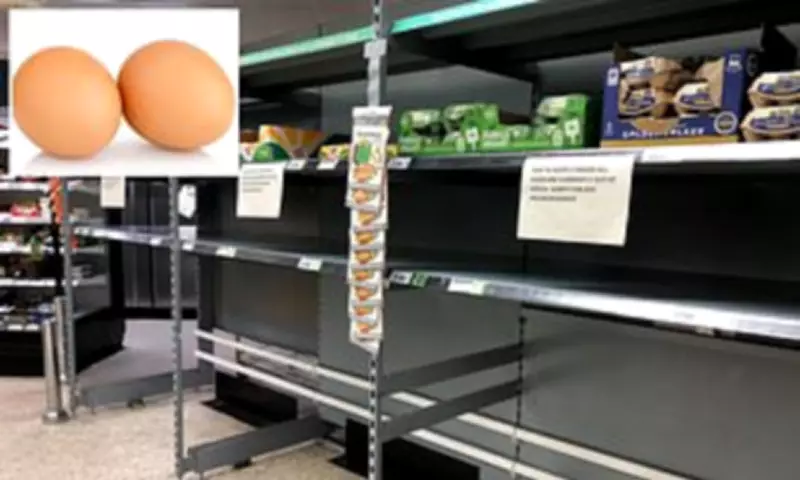
Supermarket shelves across parts of the United Kingdom have been left noticeably bare as a significant shortage of eggs takes hold. This disruption follows confirmation of an avian influenza outbreak at one of the country's largest egg production facilities, leading to the culling of thousands of chickens to contain the virus.
Retail Response and Customer Notices
Major retailers have begun informing customers of the developing situation. Asda has placed prominent signs in front of empty shelves in several regions, stating clearly: 'Due to avian bird flu there is a shortage of eggs. Sorry for the inconvenience.' In an effort to manage dwindling stock and ensure fair availability for all shoppers, some stores have implemented purchase restrictions, limiting customers to just two boxes of eggs per transaction.
Outbreak Details and Containment Measures
The H5N1 strain of avian influenza was confirmed over the weekend at a farm near Penicuik in Midlothian. This marks the fifth such outbreak in the local area. The affected site, located at Easter Deans and Blairburn, West Linton, is owned by Glenrath Farms, a company known to supply a majority of the UK's main supermarket chains.

In response, authorities have established a two-mile protection zone around the infected premises. Scotland's chief veterinary officer has also mandated a wider six-mile surveillance zone, emphasising that these stringent controls are essential to prevent further spread of the highly contagious virus.
Industry and Government Reassurance on Supply Chains
Despite the visible shortages on some shelves, industry bodies and government officials are seeking to calm fears of a nationwide egg crisis. The Scottish Retail Consortium, representing major supermarkets, acknowledged that avian flu is a concern but highlighted the resilience of modern grocery supply chains.
A spokesman stated: 'Grocery retailers have become accustomed to a degree of supply chain disruption from bird flu and other events in recent years. They are adept at dealing with disruptions and have robust supply chains and contingency plans in place which can adapt when required so they can minimise any potential short-term impact on supplies to stores.'
Echoing this sentiment, the National Farmers Union of Scotland confirmed that while outbreaks will impact individual producers in the affected zones, the overall egg supply across the country remains currently unaffected. The Scottish Government is actively collaborating with producers and the Animal and Plant Health Agency to ensure that any restrictions imposed are proportionate and lifted as soon as it is safe to do so, prioritising animal health.
Ongoing Vigilance and Public Health Advisory
Authorities continue to monitor the situation closely. Bird keepers in the surrounding Peeblesshire area have been urgently advised to remain vigilant and to report any signs of illness within their flocks immediately. This community-level vigilance is considered a critical component of the broader strategy to contain the outbreak and safeguard the poultry industry from more extensive damage.