Fuel Theft Crisis Hits Family Petrol Stations as Iran War Drives Up Prices
Family-run petrol stations across the United Kingdom are grappling with a severe financial crisis as fuel theft has surged dramatically in the wake of the Iran-US war. According to recent reports, incidents of petrol theft have increased by nearly 30 per cent, with some estimates suggesting the rise could be as high as 62 per cent. This alarming trend is placing immense pressure on independent forecourt operators, many of whom are struggling to absorb the losses.
"£2,000 Lost Since the Conflict Began"
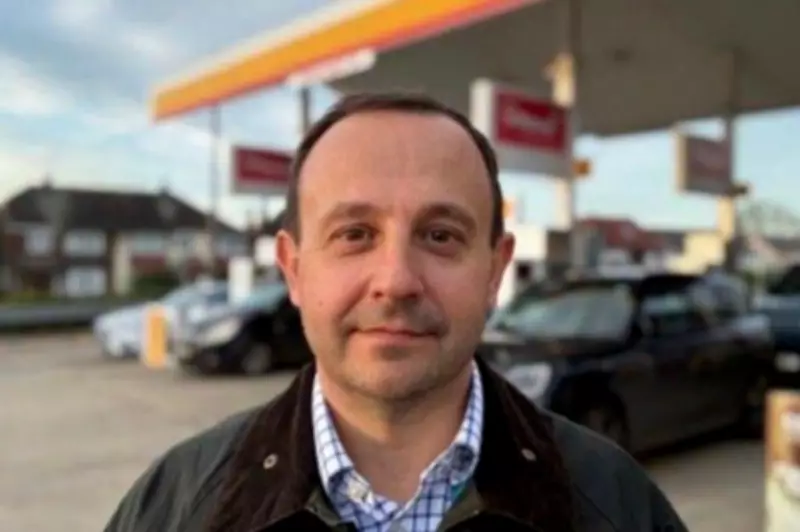
Goran Raven, who operates a Shell franchise in Romford, east London, has personally lost approximately £2,000 to fuel theft since the war broke out on 28 February. "If someone steals £100 worth of fuel from us, that is £100 out of my profit for the day," Mr Raven explained. "It's absolutely a straight loss for us." He noted that the highest rates of theft occurred during the first two weeks of the conflict, as if criminals were preparing for worsening conditions.
Mr Raven's business, a fourth-generation family-run enterprise, has been hit particularly hard by the combination of rising pump prices and increasing theft. "There was a point where I was thinking to myself, if prices keep rising, thefts keep rising, and this goes on for much longer, I have to start looking at redundancies," he admitted. The financial impact is compounded by declining fuel sales, creating a perfect storm for small businesses.

Global Disruption and Rising Costs
The closure of the Strait of Hormuz in March, a direct result of the Iran war, has disrupted global shipping and halted one-fifth of the world's oil supply. This has led to significant price increases at UK forecourts. Currently, the average price of a litre of diesel stands at 191.2p, up 49p since the war began, while petrol has risen by 25p to 158.1p per litre.
Many thieves mistakenly believe they are stealing from large corporations like Shell, but as Mr Raven pointed out, "because he runs a franchise, it comes out of his pocket." He emphasised that these losses directly affect his ability to pay staff and support his family, with no insurance available to cover such thefts.
Widespread Impact Across the Sector
Campaigners have warned that the surge in fuel theft could cost the forecourt sector more than £100 million annually. Guy White, owner of Laurels service station in Horncastle, Lincolnshire, reported a "massive increase in fuel theft," with incidents now occurring daily rather than weekly. "It's costing us around about £400 a week at the moment," he said, describing the impact as "massive" for his family business, which has operated since 1963.
Mr White uses an automatic number plate recognition system to flag blacklisted vehicles, but faces challenges from drivers using fake or stolen plates to evade detection. Meanwhile, Gordon Balmer, executive director of the Petrol Retailers Association (PRA), noted that many perpetrators view fuel theft as a "victimless crime," unaware that independent retailers bear the brunt of the losses.
Tactics and Trends in Forecourt Crime
According to Forecourt Eye, a specialist in petrol industry crime prevention, there has been a 22 per cent increase in drivers claiming to have "no means of payment," a tactic often employed to avoid paying for fuel. Mr Balmer suggested that "a lot of the people that are doing this are in financial straits because of the high pump prices."
Mr Raven observed that when staff request identification or payment verification, "about 80 per cent of the people, when you say, 'I've got to take a picture of you,' they find their wallet, find a card, find some cash in their back pocket." This indicates that many incidents may involve opportunistic theft rather than genuine inability to pay.
The situation highlights the broader economic pressures facing consumers and businesses alike, as the Iran war continues to ripple through global markets and local communities. Family-run petrol stations, already navigating a challenging retail environment, now find themselves on the front lines of a growing crime wave that threatens their very survival.