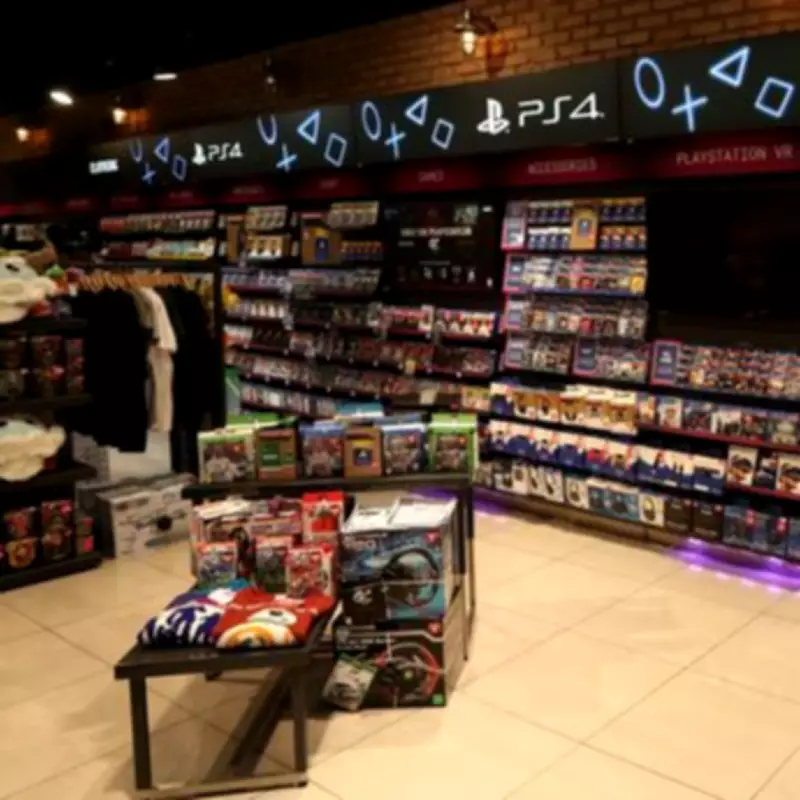
The iconic British video game retailer GAME is poised to close its last remaining standalone stores, marking a significant retreat from the high street as the company faces potential administration. This development represents a stark reversal for a chain that once operated hundreds of branches nationwide, now reduced to just a handful of physical locations.
A Retail Giant in Decline
Founded in 1990, GAME experienced tremendous growth during the boom years of computer consoles and physical game sales. However, the relentless shift towards digital downloads and online shopping has severely eroded its traditional business model. The retailer previously entered administration in 2012, resulting in the closure of 277 stores and the loss of over 2,000 jobs.
Current Crisis and Store Closures
Recent reports indicate that GAME has filed a notice of intention to appoint administrators through law firm RPC, a legal move that provides temporary protection from creditors. The company is understood to have only three standalone stores remaining, all of which are now scheduled for closure. One confirmed location is the Merry Hill shopping centre branch in the West Midlands, where a notice posted on January 31st announced the store would close in April 2026.

The financial situation has deteriorated significantly, with latest accounts for GAME Retail Limited showing a dramatic reversal from an £8.5 million profit to a near £2.5 million loss for the year ending April 2024. This financial strain follows years of gradual retreat from the high street, including the closure of 40 stores announced in 2020 and five additional branches reported last August.
Frasers Group Ownership and Future Operations
In 2019, billionaire Mike Ashley's Sports Direct (later rebranded as Frasers Group) acquired GAME in a £52 million takeover. While standalone stores will disappear, GAME concessions will continue operating within hundreds of Frasers-owned stores, including Sports Direct and Frasers department stores. The brand will also maintain its online presence through its website, representing a strategic shift away from traditional retail spaces.
Broader High Street Challenges
GAME's struggles reflect wider difficulties facing physical retailers in the UK. Several other prominent high street businesses have recently announced closures or entered administration. Next has acquired the brand and intellectual property of luxury shoe chain Russell & Bromley, but will only purchase three of its 36 physical stores. Meanwhile, women's fashion retailer Quiz faces potential collapse, putting approximately 1,000 jobs at risk, with management citing challenging trading conditions and rising operational costs.
The impending closure of GAME's final standalone stores represents not just the end of an era for video game retailing in Britain, but another significant blow to the country's struggling high streets. As consumers increasingly favour digital purchases and online shopping, traditional brick-and-mortar retailers face unprecedented challenges in adapting their business models for survival.