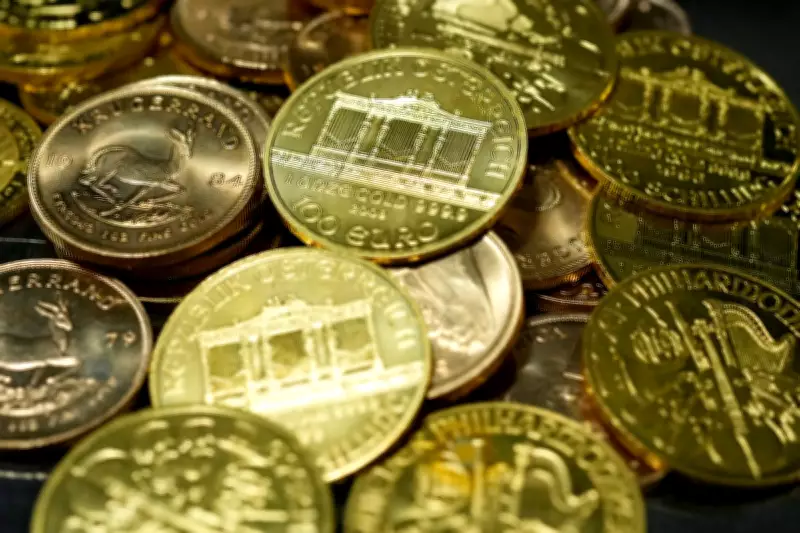
The precious metals market has entered a remarkable phase in early 2026, with gold prices soaring to historic peaks and sparking a significant surge in consumer activity worldwide. Individuals are flocking to both purchase and sell gold, creating a dynamic and sometimes volatile trading environment that has captured global attention.
Record-Breaking Prices and Subsequent Volatility
New York spot gold achieved an unprecedented milestone, reaching a record high of more than $5,418 per troy ounce earlier this week. This standard measurement for precious metals highlighted the intense demand driving the market. However, this peak was followed by notable fluctuations, with futures contracts plunging below the $5,000 mark by Friday afternoon, suggesting a potential broader market correction.
The pronounced swings in value became particularly evident after reports emerged regarding former Federal Reserve official Kevin Warsh being nominated by President Donald Trump for the position of U.S. central bank chair. Despite this volatility, current prices remain substantially elevated compared to a year ago, when New York spot gold traded at less than $2,795 per troy ounce.

What Fuels the Surge in Gold Prices?
The primary driver behind these price surges is widespread uncertainty. Historically, interest in acquiring gold and other precious metals like silver spikes when investors experience heightened anxiety. This pattern was observed during the peak of the COVID-19 pandemic, amid ongoing international conflicts, and in response to trade tensions stemming from Trump's tariffs on foreign goods.
The latest record prices coincide with escalating geopolitical tensions in regions such as Venezuela and Iran, repeated calls from President Trump for the U.S. to assume control of Greenland, and an increasingly combative stance towards America's traditional allies. According to Daniel McDowell, a professor of political science at Syracuse University, there has been "a real rupture in the way we think about how the world order, if we want to call it that, functions." He explains that during periods of instability, purchasing gold has historically served as a "psychological reaction" for individuals seeking a safe haven for their capital.
This recent rush for gold also aligns with a weakening U.S. dollar and growing questions about the future independence of the Federal Reserve, further amplifying market movements.
Increased Consumer Demand and Merchant Activity
Jewellery sellers and precious metal dealers worldwide are reporting a significant uptick in customers eager to either buy or sell gold. In Paris's historic district dedicated to gold, silver, and coin dealers, the boom is particularly tangible. Traders at establishments like Godot & Fils note a continuous flow of customers from opening to closing, processing approximately 100 transactions daily.
Annick Le Toulleca, 76, visited to sell broken jewellery she had retained for years, expressing that "even keeping money in the bank feels a bit risky." Conversely, Christophe Thooris, 53, decided to convert some cash into gold by purchasing a coin, hoping to safeguard his savings. Globally, consumers may experience "sticker shock" due to recent price hikes, while sellers face strain from value swings, especially for products affected by new tariffs.
Major retailers, including Pandora and Signet, which owns Zales and Kay Jewelers, acknowledged the challenges posed by both tariffs and rising costs for gold and silver during their 2025 earnings calls. Higher gold prices primarily impact items like gold chains, whereas experts highlight falling diamond costs, partly due to lab-grown alternatives rapidly reducing average prices in recent years.
Expert Guidance for Gold Owners and Buyers
Should You Sell Your Gold?
The decision to sell gold depends heavily on individual circumstances and willingness to part with owned assets. Experts, such as Joshua Barone, a principal wealth manager at Savvy Advisors, suggest it might be prudent to wait, as prices could rise further if uncertainty deepens or potentially peak based on future geopolitical developments. However, the future remains unpredictable, and many consumers are opting to sell now.

If selling, it is crucial to engage with a reputable dealer. Barone personally prefers working with local, in-person dealers, citing discomfort with "the idea of mailing precious metals," though he acknowledges some have positive online experiences. Recommendations include reading reviews through organisations like the Better Business Bureau or consulting trusted trade associations. Additionally, comparing "spreads"—the difference between buying and selling prices—and processing times is essential.
Is Now a Good Time to Buy Gold?
For those considering purchasing gold, advisors emphasise assessing affordability and investment horizon. Generally, longer-term investments, such as holding gold for a decade or more, are considered less risky than attempting to capitalise on short-term market movements for quick profits. Precious metals can be volatile, as evidenced by the daily losses seen recently, and while prices are significantly higher than a year ago, they could decline in a broader correction.
Advocates of gold investment argue it helps hedge against inflation and diversify portfolios, but experts caution against concentrating all assets in one basket. Critics contend that other derivative-based investments may offer better returns, highlighting the importance of a balanced approach.
This global phenomenon underscores the complex interplay between economic uncertainty, geopolitical tensions, and consumer behaviour in the precious metals market.