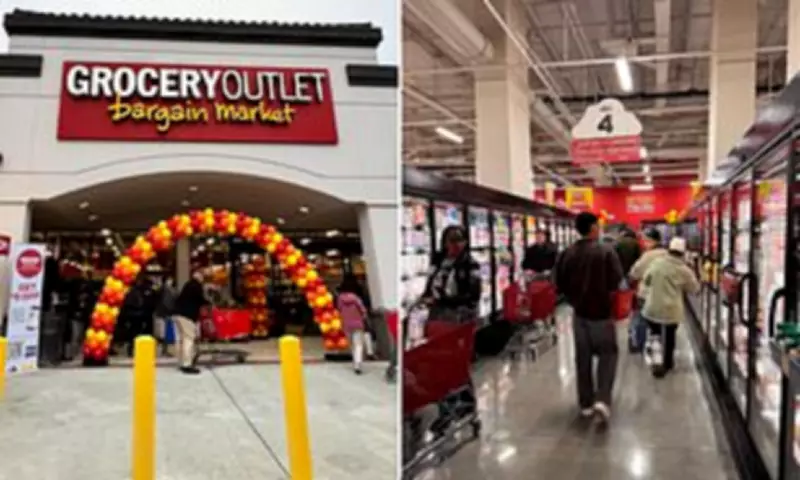
In a significant strategic shift, the popular discount grocery chain Grocery Outlet has announced plans to close 36 stores across the United States. The California-based retailer, renowned for its bargain deals on name-brand food items, admitted that it expanded its operations too rapidly, necessitating this corrective action to bolster long-term financial health.
A Strategic Review Leads to Widespread Closures
The decision follows a comprehensive strategic, financial and operational analysis of the company's entire store network. Grocery Outlet revealed the closures while reporting its latest financial results, stating the move is designed to improve profitability and cash flow generation, enhance operational execution, and optimise its existing store footprint.
CEO Cites Lack of Viable Profit Path
Chief Executive Officer Jason Potter informed investors that the chain identified 36 stores which did not have a viable path to sustained profitability. It is clear now that we expanded too quickly, and these closures are a direct correction, Potter stated during the company's recent earnings call. The closures represent approximately 6 percent of Grocery Outlet's store network, which currently encompasses more than 560 locations spread across 16 states.
Geographic Impact and Closure Timeline
While most of the affected stores are anticipated to be situated in the eastern United States, the company emphasised it is not exiting any state entirely. Several closures will also occur in California, where Grocery Outlet is headquartered. Cities expecting shutdowns include Azusa, Brawley, El Cajon, Kerman, La Habra, Ontario, Patterson, Poway, and Ridgecrest.
The closure process will not be immediate. Instead, Grocery Outlet plans a gradual phase-out, with the majority of shutdowns expected to be finalised by the conclusion of 2026. The restructuring plan also involves terminating agreements with certain independent operators, ending or subleasing specific store leases, and exiting a distribution centre facility that is no longer in use.
Company Background and Current Challenges
Founded in 1946, Grocery Outlet built its reputation on a distinctive discount model, selling name-brand groceries at reductions of up to 60 percent below typical supermarket prices. The chain is famous for its treasure hunt shopping experience, where inventory frequently changes based on surplus deals and closeout products sourced from suppliers. Each store operates independently, attracting regular shoppers hunting for deeply discounted items available for limited periods.
This restructuring arrives after a challenging financial year for the company. Although net sales increased, Grocery Outlet reported a substantial operating loss, partly attributed to impairment charges and restructuring costs linked to the store closures. Company leaders also highlighted a tougher environment for discount retailers, citing factors such as heightened competition, aggressive promotions across the grocery industry, and delays in government food assistance benefits utilised by many customers.
Future Expansion Plans Remain
Despite shuttering dozens of locations, Grocery Outlet asserts it is not completely retreating from expansion. The company still intends to open approximately 30 to 33 new stores in 2026, as part of a more disciplined growth strategy moving forward. Executives state the objective is to refocus on stronger-performing markets, refresh existing stores, and reinforce the company's value proposition for bargain-seeking shoppers.