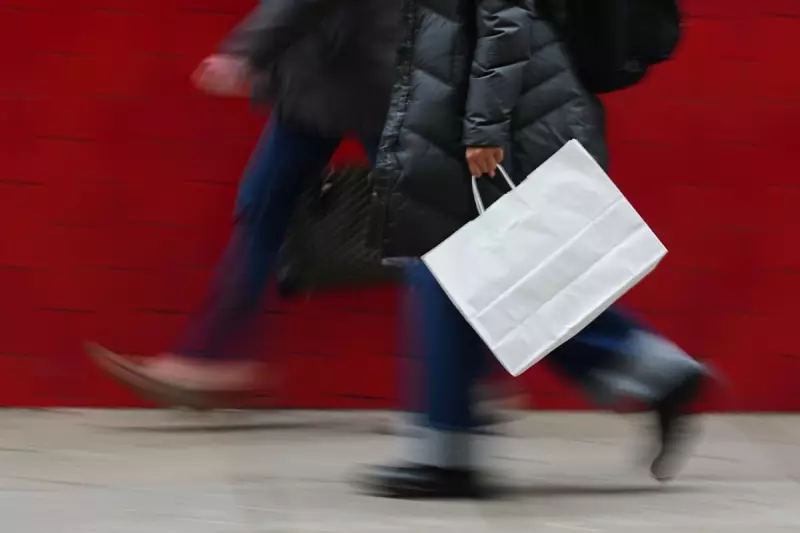
The festive celebrations may be over, but for UK retailers, the busiest period is just beginning. January has earned the nickname 'Returnuary' as a tidal wave of unwanted gifts and impulse purchases floods back to shops and warehouses.
The Environmental Cost of Convenience
According to the National Retail Federation, an estimated 17% of all holiday purchases are expected to be sent back this season. While many retailers offer extended return windows and free returns, this convenience carries a significant hidden environmental price tag.
Every returned item effectively doubles its carbon footprint. The journey involves packaging, transport by air, rail, or road, and then the entire process in reverse. Joseph Sarkis, a professor of supply chain management at Worcester Polytechnic Institute, estimates that returning an item increases its planetary impact by a staggering 25% to 30%.

"When you buy something online, it's packaged, shipped, and transported, often using oil-based fuels," explains Sarkis. "If you return it, it goes through most of that all over again."
Why Returns Often Don't Get Resold
The final destination for many returns is sobering. Roughly one-third of returned goods never find a new home. The economics of processing a return – assessing condition, repackaging, and redistributing – often mean it is cheaper for companies to send items to landfill or a liquidator.
"It can be quite expensive," says Sarkis. For cheaper items, like a £5 kitchen utensil, the cost of inspection and restocking can exceed its value. Furthermore, certain products, such as intimate apparel or swimwear, are deemed less desirable if potentially worn.
Christopher Faires, an assistant professor at Georgia Southern University, notes that these hidden costs are ultimately passed on. "Refurbishment, inspection, repackaging, all of these things get factored into the retail price," he states. "Even free returns aren't really free."
How Shoppers Can Minimise Their Impact
Experts agree that the single best action is to minimise returns altogether. This means resisting 'bracketing' – the practice of buying multiple sizes or colours with the intent to return most.
"This behaviour of bringing the dressing room to our homes is not sustainable," warns Faires. For gifts, consider a gift card to remove the guesswork. Danni Zhang, a lecturer at Cardiff University, suggests, "If we are more sustainable, probably the gift card will be much better."
If you must return an item, act swiftly and handle it with care. "Return it quickly," advises Zhang. "An ugly Christmas sweater has a much better chance of resale on December 20th than on January 5th." Using the original packaging and ensuring the item is undamaged also boosts its resale potential.
Opting for in-store shopping and returns is significantly better for the environment. Physical returns are more likely to be resold immediately, cutting down on storage, transport emissions, and landfill waste.
The Future of Returns: Tech and Transparency
On the business side, technology offers some solutions. Saskia van Gendt, chief sustainability officer at Blue Yonder, highlights how software can quickly assess returned items and route them to where they are most likely to sell, avoiding landfill.
Better product information is also key. Professors Sarkis and Zhang suggest that clearer sizing guides, more 3D imaging, and even transparency about the environmental cost of returns could influence consumer behaviour. However, Sarkis acknowledges the challenge: "If you're telling someone to stop something because of negative results, that's not going to sell."
As 'Returnuary' gets into full swing, both consumer mindfulness and retail innovation will be crucial in tackling the growing environmental burden of our return culture.