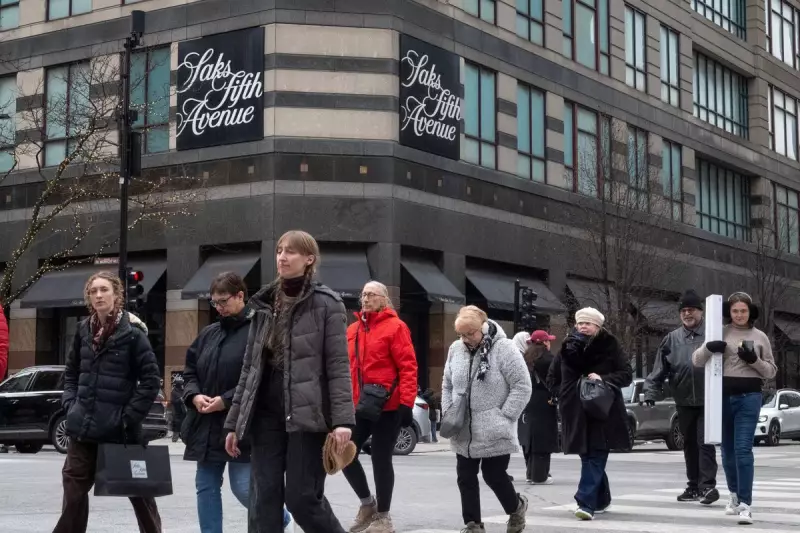
In a seismic shift for the high-end retail sector, the parent company of iconic department stores Saks Fifth Avenue and Neiman Marcus has filed for bankruptcy protection in the United States.
A Crisis of Debt and Changing Consumer Habits
Saks Global officially filed for Chapter 11 bankruptcy on Wednesday 14 January 2026, seeking to reorganise its business under court supervision. The move comes after a prolonged period of financial strain driven by an unsustainable debt load, persistent inflation, and rising operational costs. The company also cited the impact of international trade wars and the accelerating consumer shift to online shopping as key pressures.
The situation reached a critical point following a missed interest payment related to its acquisition of the Neiman Marcus chain. Unlike a liquidation, Chapter 11 is designed to allow a company to continue operating while it restructures its finances and operations to become viable again.

The Restructuring Plan and Leadership Change
As part of its bankruptcy filing, Saks Global has secured a substantial lifeline. The company obtained $1.75 billion in debtor-in-possession financing from its creditors to fund its operations throughout the restructuring process. This immediate injection of capital is intended to stabilise the business.
Concurrently, the company announced an immediate leadership change, appointing Geoffroy van Raemdonck as its new Chief Executive Officer. He will be tasked with steering the luxury retail group through its complex financial reorganisation.
Uncertain Future for Stores and Customer Promises
The filing casts a shadow of uncertainty over the future of Saks Global's extensive network of physical stores. While the company stated it will evaluate its "operational footprint" to identify locations with long-term potential, the restructuring could inevitably lead to store closures across its portfolio.
In an effort to maintain customer confidence, Saks Global has made several key commitments for the immediate term. The firm pledged to:
- Honour all existing customer loyalty programmes and gift cards.
- Continue paying vendors for goods and services.
- Maintain employee payroll, benefits, and obligations.
Despite these assurances, the bankruptcy of such a prominent player signals profound challenges within the traditional luxury retail landscape, where adapting to digital-first consumers while managing large physical estates has become increasingly difficult.