The British high street endured a brutal year of contraction in 2025, with a raft of major retail and hospitality brands shutting down stores across the nation. This wave of closures came against a challenging backdrop of sustained pressure on household finances, persistent inflation for much of the year, and spiralling operational costs for businesses. The result was a series of restructuring efforts, pre-pack administration deals, and outright liquidations that reshaped the shopping landscape.
Major Casualties of the High Street
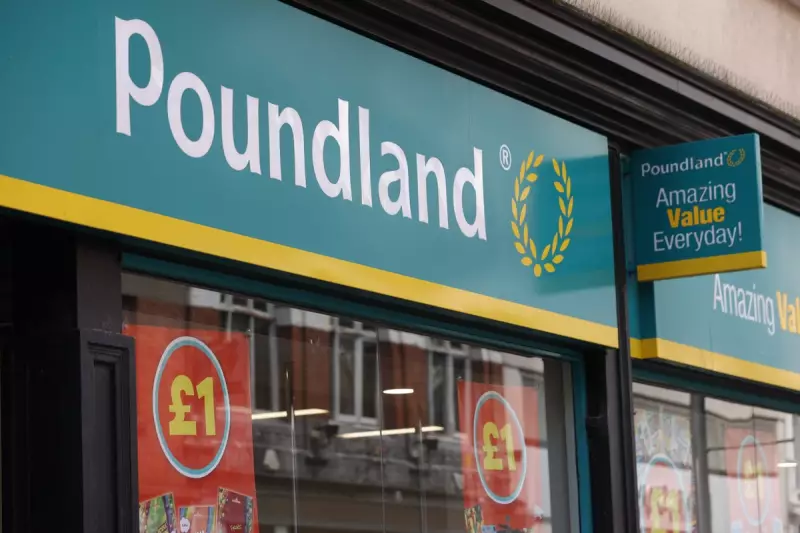
Poundland, a stalwart of value retail, was among the most prominent casualties. Despite its low-price proposition, the chain succumbed to intense pressure and was sold for a symbolic £1 to investment firm Gordon Brothers. A major restructuring plan was launched, beginning with the closure of 57 stores, threatening over 1,000 jobs. Further closure tranches followed, with the estate expected to shrink from around 800 sites to between 650 and 700 by the start of 2026.
In a historic shift, WH Smith vanished from the high street after over 230 years. The group sold its entire UK high street retail arm to private equity firm Modella Capital to concentrate on its travel locations. Modella plans to rebrand the chain as TGJones, and as part of the sell-off, 20 stores were closed.

The fashion sector was hit hard. Claire's UK arm tumbled into administration after its US owner filed for bankruptcy. Although Modella Capital struck a deal to save 156 stores, a further 145 shops employing around 1,000 workers were closed. Quiz Clothing shut 23 stores after entering administration in February, affecting 200 jobs, despite a rescue by its founding family. Select Fashion ceased trading entirely, closing all its roughly 80 stores after failing to find a buyer.
Hospitality and Home Retail Under Pressure
The hospitality sector faced significant strain. In October, Pizza Hut confirmed the closure of 68 UK restaurants and 11 delivery sites after its franchise operator entered administration, putting 1,210 jobs at risk. Fast-casual chain Leon announced plans in December to close around 20 of its worst-performing restaurants. Even coffee giant Starbucks launched an overhaul, closing 10 UK locations in October as part of the process. Scottish brewer Brewdog shut 10 of its bars in July, including its original Aberdeen venue, risking almost 100 jobs.
Home and DIY retailers were not immune. Homebase shut 65 shops between January and March following its 2024 administration, blaming a post-pandemic decline in consumer confidence. Upmarket tile retailer Fired Earth slid into administration in October, closing all 20 UK showrooms and cutting 133 jobs, though its brand was bought by rival Topps Tiles. Arts and crafts chain Hobbycraft, now owned by Modella Capital, revealed plans in April to shut nine stores, affecting up to 126 workers.
Restructuring and Strategic Withdrawals
Other well-known names undertook significant restructuring to survive. Fashion chain River Island shut 33 shops and secured rent reductions on 71 others through a formal restructuring plan to avoid administration. New Look closed 15 UK stores and exited the Republic of Ireland entirely, shutting all 26 shops there and impacting 347 staff.
Some closures were strategic brand decisions. H&M announced plans to close all seven of its UK stores under the Monki brand, converting a limited number to its sister brand Weekday. Beauty and fragrance retailer Bodycare disappeared for good, shutting all its approximately 150 stores after being crippled by rising costs and funding shortfalls.
The collective impact of these closures paints a stark picture of a UK retail and hospitality sector navigating a perfect storm of economic headwinds. While some brands were rescued in part, the scale of the shutdowns signifies a profound and ongoing transformation of the British high street.