Supermarket giant Morrisons has reported a significant acceleration in sales growth during the crucial Christmas trading period, delivering what it describes as "resilient" annual results in a fiercely competitive market.
Festive Performance Shows Notable Improvement
The UK's fifth-largest grocery chain revealed like-for-like sales growth of 3.4 per cent during the six weeks to 4 January 2026, representing a marked improvement on its full-year performance. This festive surge provided a welcome boost following a year of challenging market conditions.
Own-Brand Premium Range Drives Growth
Morrisons highlighted particularly strong performance in its own-brand premium range, which saw sales jump by an impressive 17.4 per cent during the Christmas period. The supermarket's non-food offerings also performed well, recording a 10 per cent increase in sales, while its clothing range enjoyed a 4.7 per cent uplift.

Chief Executive Rami Baitieh commented: "We had a good Christmas in 2025, providing a solid foundation for the first quarter. In a year when consumers were feeling the squeeze, we grew like-for-like sales for a 12th consecutive quarter."
Annual Results Demonstrate Resilience
The Christmas performance represented an improvement on trading throughout the full financial year to 26 October, during which like-for-like sales increased by 2.8 per cent. However, growth had slowed to 2.4 per cent in the final quarter before the festive uplift.
Despite these positive sales figures, Morrisons reported that underlying earnings remained flat at £835 million for the year. The company faced significant headwinds including rising costs and a cyber incident that caused IT systems disruption just before Christmas 2024, impacting product availability.
Cost Pressures and Government Measures
The supermarket group, owned by US private equity firm Clayton, Dubilier and Rice, highlighted how government measures in the 2024 budget contributed to substantial cost increases. The national insurance contributions tax hike implemented last April, combined with the minimum wage rise, sent costs surging by approximately £200 million during the past financial year.
Baitieh noted: "The results demonstrated our resilience in the face of some tough external headwinds, from the cyber incident, rising inflation and Government cost increases, which we worked hard to offset."
Substantial Cost Reduction Programme
In response to these challenges, Morrisons implemented an aggressive cost-cutting strategy, achieving savings of £233 million in the year to 26 October. This brings the total savings to date to £845 million, with the company expecting to exceed its £1 billion target by the end of the 2025-26 financial year.
Chief Financial Officer Jo Goff explained: "We worked hard during the year to offset the significant and unexpected cost headwinds arising from the Government's 2024 budget and other inflationary pressures. Our cost reduction programme delivered savings of £233 million."
Debt Reduction and Market Position
The company also reported continued progress in reducing its debt burden, which fell by another 10 per cent during the year and is now down 46 per cent from its peak in 2022. However, recent industry data suggests Morrisons' market share slipped slightly over Christmas to 8.5 per cent in the 12 weeks to 28 December, down from 8.6 per cent a year earlier.
Market analysts note that the gap with rival discounter Lidl is closing, with experts suggesting the German retailer could potentially overtake Morrisons in the coming months if current momentum continues.
Future Strategy and Customer Focus
Looking ahead to 2026, Morrisons remains committed to its value-focused strategy. Baitieh emphasised: "As we enter 2026, the grocery market remains competitive and we are committed to our focus on delivering good value and keeping prices low for customers."
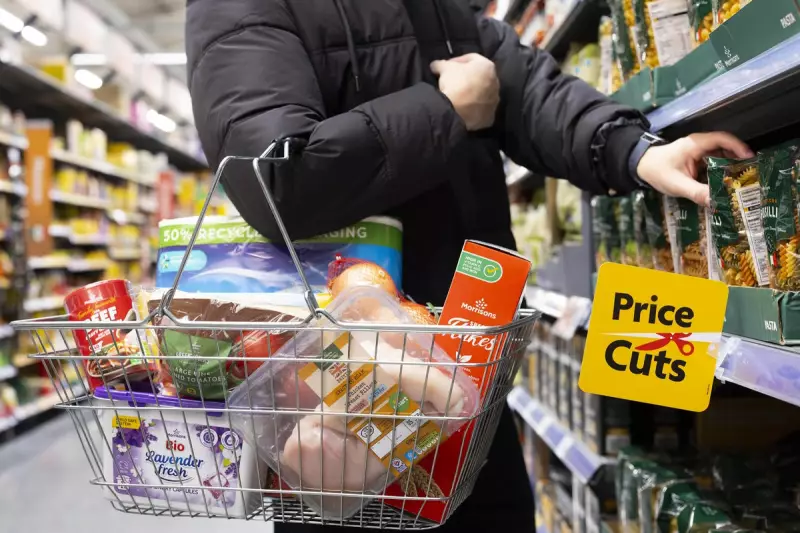
The supermarket chain announced a further 2,500 price cuts at the start of January, reinforcing its commitment to affordability in a challenging economic climate. This approach reflects the company's determination to maintain its market position while navigating ongoing competitive pressures and economic uncertainties.