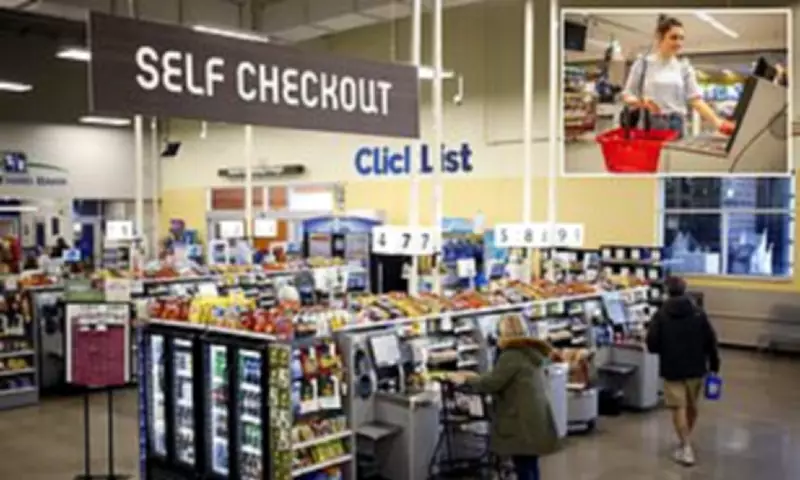
In a significant move to combat rising retail crime, lawmakers in Orange County are implementing stringent new regulations targeting self-checkout lanes in grocery and drug stores. The city of Costa Mesa has passed an ordinance that will fundamentally change how these automated systems operate, following a similar initiative recently enacted in neighbouring Long Beach.
New Self-Checkout Requirements and Restrictions
The centrepiece of Costa Mesa's new rules is a requirement for constant employee monitoring at all self-checkout stations. This means retailers can no longer leave these lanes unattended, even briefly, during operating hours. Additionally, the measure prohibits customers from purchasing any locked or restricted items through self-checkout systems.
This restriction covers a wide range of products, from everyday essentials like deodorant to age-restricted items including cigarettes and alcohol. The intention is to prevent theft of high-value or frequently stolen merchandise that retailers typically secure behind glass or keep in locked cases.

Enforcement and Penalties for Non-Compliance
Enforcement mechanisms under the new ordinance allow both shoppers and workers to report violations directly to city authorities. Stores found to be non-compliant face substantial financial penalties, with fines ranging from $100 to $1,000 per day for each infraction, depending on the severity and frequency of violations.
These regulations will affect more than 22 retailers operating within Costa Mesa's jurisdiction, including major chains like Target and CVS. The ordinance passed by a narrow margin, reflecting divided opinions about the appropriate approach to retail theft prevention.
Rationale Behind the Regulatory Changes
City lawmakers have framed the measure as necessary for public health and safety. The official ordinance states: 'It is in the public's interest to require grocery and drug stores to adopt effective preventative measures that will address the impacts on public health and safety that retail theft creates.'
Proponents argue that regulating self-checkout staffing will improve working conditions for employees while creating safer shopping environments for customers. They note that confrontations with thieves can often turn aggressive when challenged, putting both staff and shoppers at risk.
Industry Pushback and Economic Concerns
Local retail groups have strongly opposed the new regulations, with the California Grocers Association leading the criticism. The CGA warns that the measures could drive up consumer prices while creating more inconveniences for shoppers inside stores.
'Grocery shoppers enjoy self-checkout for its convenience, but Costa Mesa is considering a new law that would cause higher prices and longer lines at grocery stores,' the association stated, though they did not provide specific evidence explaining how prices would increase.
The trade group presents several arguments against the restrictions:
- Limiting self-checkout could force retailers to shutter kiosks entirely
- Operating costs would likely increase, pushing prices higher
- Checkout lines would lengthen significantly
- The measures would do little to actually curb theft rates
- Workers might face greater risks in confrontational situations
- The regulations represent government overreach into daily store operations
'If Costa Mesa limits self-checkout, grocery stores will be forced to raise their prices and/or eliminate self-checkout altogether,' the CGA concluded in their statement.
The Broader Context of Retail Theft
These regulatory changes arrive as retail stores nationwide report significant financial losses from increased shoplifting and errors at self-checkout lanes. Industry studies reveal concerning statistics about theft patterns associated with automated checkout systems.
Research indicates that stores utilizing self-checkout experience, on average, a 3.5 percent to 4 percent shrink rate - more than double the industry average of less than 1 percent for traditional cashier lanes. This discrepancy translates to billions of dollars in annual losses for retailers across the country.

The debate in Orange County reflects broader tensions between maintaining consumer convenience through technological innovations and implementing practical measures to address substantial retail losses. As other municipalities observe Costa Mesa's experiment with strict self-checkout regulation, similar measures may emerge in communities grappling with rising retail theft.