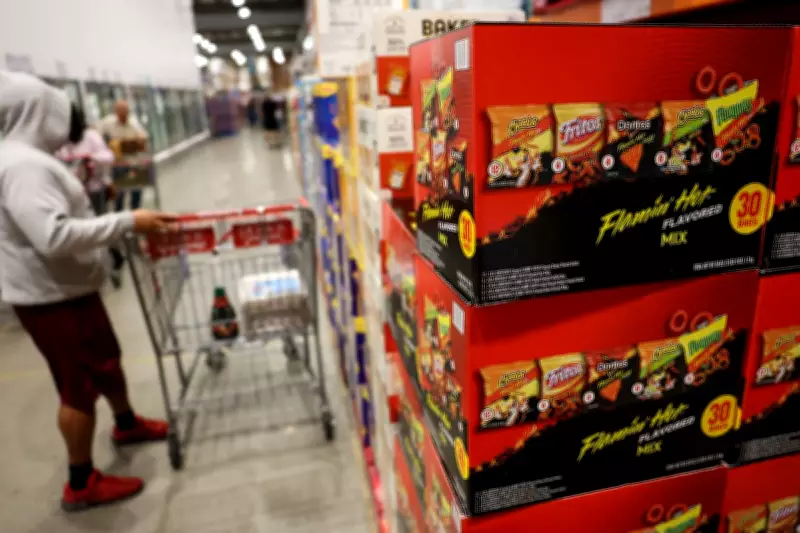
In a significant strategic shift, PepsiCo has confirmed plans to implement price reductions on several of its most popular snack brands this year, including Lay's, Doritos, Cheetos, and Tostitos. This move comes in direct response to a wave of consumer dissatisfaction and declining sales volumes, as the company seeks to win back customers who were alienated by previous price increases.
Background of Price Hikes and Consumer Reaction
PepsiCo had previously enacted substantial price hikes across its product lines, with a notable global increase of 4.5% in the fourth quarter. These adjustments contributed to a revenue boost, pushing quarterly earnings to $29.3 billion. However, the higher prices had a detrimental effect on consumer demand, leading to weakened sales performance in key markets.
Impact on Sales Volumes
The consequences of these price increases became evident as snack volumes fell by 1% overall, while North American beverage volumes experienced a more pronounced decline of 4% in the most recent quarter. This downturn highlighted the growing resistance from consumers, who have become increasingly price-sensitive in the current economic climate.

Activist Investor Influence
The decision to cut prices and streamline product offerings is partly driven by a deal with activist investor Elliott Investment Management. Elliott acquired a $4 billion stake in PepsiCo and has been advocating for strategic changes to address the company's slowing growth. Their involvement has prompted a reassessment of pricing strategies and product portfolios to better align with market demands.
New Product Initiatives
Alongside the price reductions, PepsiCo is accelerating the launch of new products that feature simpler, more functional ingredients. Examples include Gatorade Lower Sugar and innovative variants like Simply NKD Cheetos and Doritos. These efforts aim to cater to health-conscious consumers and revitalise the brand's appeal in a competitive snack market.
Strategic Implications
This price-cutting initiative represents a broader attempt by PepsiCo to balance profitability with customer retention. By responding to consumer feedback and activist pressure, the company hopes to stabilise sales volumes and foster long-term loyalty. The move underscores the challenges faced by major food and beverage corporations in navigating inflationary pressures and shifting consumer preferences.
In summary, PepsiCo's announcement to slash chip prices marks a pivotal moment in its corporate strategy, driven by the need to counteract the negative effects of previous price hikes and adapt to evolving market dynamics.