The government has moved to quell a significant Labour rebellion by unveiling a targeted package of business rates relief, with pubs set to receive a 15 per cent discount on their bills for the next three years. This intervention comes amid mounting anger over the threat of widespread closures across the hospitality sector due to soaring operational costs.
A Targeted Lifeline for Pubs
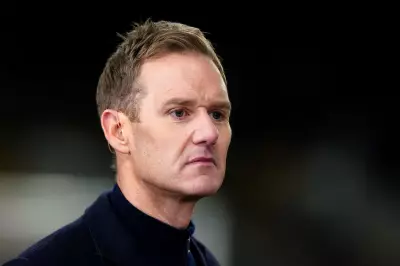
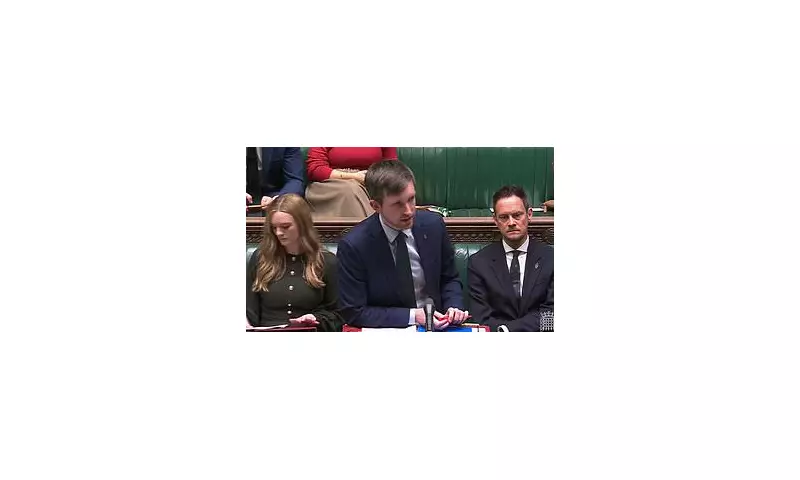
Treasury minister Dan Tomlinson confirmed that the new support measure will take effect from April and is scheduled to conclude in 2029. While music venues are also included in this relief scheme, urgent pleas from the broader hospitality industry and from community pharmacies have been explicitly rejected by ministers.
Mr Tomlinson declined to provide an official costing for the policy, although government sources indicate it is expected to amount to approximately £100 million per year. In a separate development, high street retailers have been offered only a promised 'strategy' document regarding potential assistance with the ongoing shift towards online shopping, rather than immediate financial support.

Budget Measures and Sector Backlash
During the recent Budget, Chancellor Rachel Reeves highlighted a reduction in business rates through the introduction of a lower 'multiplier' used to calculate the commercial property tax. However, this minor adjustment has been overwhelmingly negated by the simultaneous removal of a crucial Covid-era support measure: a 40 per cent discount on business rates bills specifically for hospitality, leisure, and retail businesses.
Compounding the issue, new property valuations have further increased the tax burden on these sectors. Ms Reeves has also implemented policies that increase costs for employers, notably by ramping up national insurance contributions, thereby making staffing more expensive for pubs, restaurants, and hotels.
Although the Chancellor introduced a form of transitional relief to manage the sharp increases in rates bills over the coming three years following the removal of the sector discounts, industry leaders warn it is insufficient.
Steep Increases Loom for Hospitality
Major trade bodies, including UKHospitality and the British Beer and Pub Association, have issued stark warnings. They project that, even with the announced relief, pub business rates bills will still rise by an average of 15 per cent—or around £1,400—starting this April.
Looking further ahead, the outlook is even more severe. By the 2028-29 financial year, the average increase is forecast to reach 76 per cent, equating to an extra £7,000 per pub. Some individual establishments face the prospect of far steeper hikes.
The newly announced package is unlikely to appease other parts of the sector. Hotels, for instance, are confronting an average annual business rates increase of 115 per cent over the next three years, which translates to an additional £111,300 per property. Pharmacies have also raised the alarm, warning of massive impending cost increases that threaten their viability.
Industry in Crisis
The backdrop to this policy announcement is a hospitality sector in profound distress. Earlier this week, the Revolution bars group, operating under The Revel Collective, confirmed it was filing to appoint administrators, citing weak consumer confidence and relentlessly rising costs.
This follows a pattern of insolvencies affecting well-known brands in recent months, including the UK arms of TGI Fridays and Leon. The financial pressure is palpable across the industry.
Chris Tulloch, of Blind Tiger Inns which operates 24 pubs, expressed deep frustration to the BBC. He revealed his business is also bracing for increases in bills for Sky and TNT sports channels, which are set to rise in line with business rates.
'We're very much in the dark about the so-called 'lifeline' we might be getting,' Mr Tulloch said. 'It seems a very strange analogy, given that the government's policies are causing the problem in the first place. This potential backtrack is being called a 'rescue deal' or a 'bailout', but to me that doesn't really fit what's happening. We need sustainable solutions, not short-term fixes that leave us facing a cliff edge in 2029.'

The government's move, while providing temporary respite for pubs, leaves significant sections of the UK's high street and vital community services facing an uncertain and costly future.