High Street Fashion Retailer Quiz Teeters on Edge of Administration
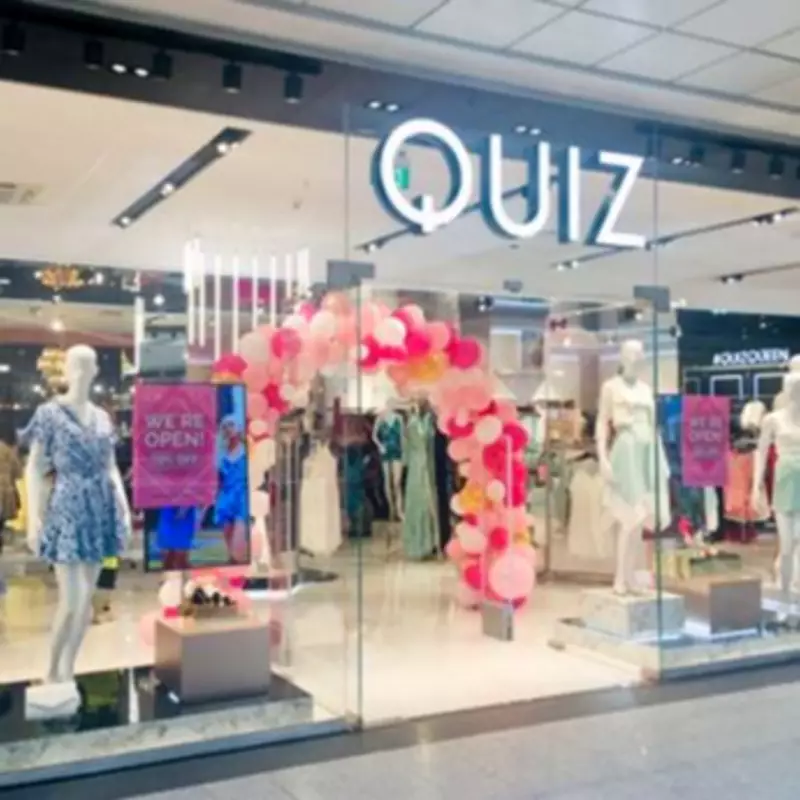
The British high street faces another significant blow as fashion chain Quiz is reportedly on the brink of collapse, threatening an estimated 1,000 jobs across its network of stores. The Glasgow-based retailer, which began with just three outlets in Scotland, has filed a notice of intention to appoint administrators, providing a critical ten-day window to secure its future.
Financial Struggles and Administration Threat
Quiz has been grappling with challenging trading conditions and soaring operational costs, leading to this drastic measure. This is not the first time the company has faced such peril; less than a year ago, its founding family closed 23 shops before executing a pre-pack deal to buy back the remaining business. According to recent reports, the chain's precarious position now leaves hundreds of workers uncertain about their employment.
A company spokesman stated: "We have taken the decision to file a notice of intention in order to provide us the time we need to explore all financing options. In the meantime, all our stores remain open with business as usual." Insolvency experts Interpath have been lined up to act as administrators should rescue efforts fail.

Historical Context and Financial Performance
Founded by entrepreneur Tarak Ramzan in 1993, Quiz remains family-owned through parent company Tarak International. Recent financial accounts reveal a troubling picture: revenues fell by 9% to £38 million for the year ending March 2024, while profits plummeted dramatically from £1.7 million to just £352,000. This sharp decline underscores the severe pressures facing the retail sector.
Broader Economic Context: Petrol Prices Provide Relief
Amidst the turmoil in retail, there is some positive news for consumers. Petrol prices have dropped to their lowest level since the summer of 2021, with the nationwide average now at 131.91p per litre, a reduction of 3p this month alone. This marks the first time petrol has been under 132p since early July 2021, when it averaged 131.81p.
The decrease follows a 2p per litre reduction in December, meaning petrol has fallen more than 5p since then. This translates to savings of nearly £3 every time drivers fill up a 55-litre family car, with a full tank now costing £72.55. The reduction is driven by oil prices dipping below the $60 per barrel mark in early January.
Diesel prices have also declined, dropping by 3p a litre to 140.97p in January, though not as rapidly as petrol. A full tank of diesel now costs £77.53. RAC head of policy Simon Williams commented: "Seeing the price of petrol dip under 132p is a genuine boost for drivers, rewinding prices to those we last saw four and a half years ago. And with even cheaper prices available depending on where drivers fill up, this is a positive start to the year for household budgets, especially so soon after Christmas."
This contrast highlights the mixed economic landscape: while consumers benefit from lower fuel costs, the retail sector continues to face existential threats, with iconic brands like Quiz struggling to survive in a challenging market.