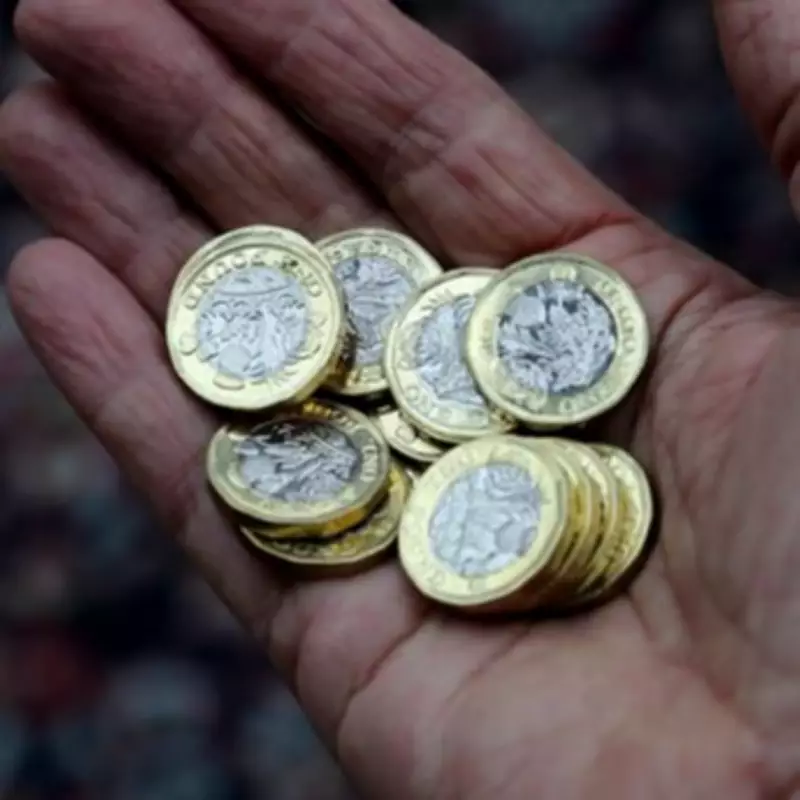
Brits have been encouraged to meticulously examine their loose change for a highly valuable £1 coin that has reportedly fetched up to £2,500 in past sales. This specific coin, minted in 2016, contains a minuscule error that makes it exceptionally rare and sought-after by collectors.
The Elusive 2016 £1 Coin Error
In a detailed video shared on the social media platform TikTok, a numismatic expert known as the Coin Collecting Wizard brought this rare find to public attention. The coin in question is from the 2016 batch of the new 12-sided £1 coins, which officially entered circulation in April 2017. However, a limited number of these coins were struck with a critical production flaw.
What Makes This Coin So Valuable?
The error involves a discrepancy between two dates on the coin. While the main date displayed next to the Queen's head reads "2016", a tiny micro-engraving on the outer rim of the reverse (tail) side states "2017". This mix-up occurred during the minting process, creating a rare die-error that is incredibly difficult to detect with the naked eye.

The expert highlighted that the micro-engraving is so exceptionally small that a microscope may be necessary to properly view it. This level of detail makes the error one of the hardest to spot in modern British coinage, adding to its scarcity and collector appeal.
Substantial Market Value
While the Coin Collecting Wizard estimated the coin's general value at around £500, he confirmed that at least one example achieved a remarkable sale price of £2,500. This transaction reportedly occurred in 2017, with the buyer based in Spain, demonstrating the international demand for such numismatic rarities.
Specialists at Change Checker, a leading coin verification service, have corroborated this information. They confirmed that the die-error mix-up appears to have affected only a limited number of coins bearing the 2016 date on the obverse (head) side. Their valuation suggests that, in excellent condition, the coin could be worth between £300 and £500, though exceptional specimens command significantly higher prices.
How to Identify the Rare Coin
For those hoping to discover this valuable error, the identification process requires careful scrutiny. You must locate a £1 coin dated 2016 on the Queen's head side. Then, examine the design-side (reverse) of the coin, looking just inside the rim for the tiny micro-engraved text. As experts emphasise, you will almost certainly need a magnifying glass or microscope to clearly read the inscription, which should reveal the contradictory 2017 date.
Given the difficulty in spotting this error, collectors and the public are advised to check all 2016 £1 coins they encounter. This simple act could potentially turn everyday change into a substantial financial windfall, highlighting the fascinating and sometimes lucrative world of coin collecting.