Red Lobster CEO Announces Further Closures Amid Brand Revival Strategy
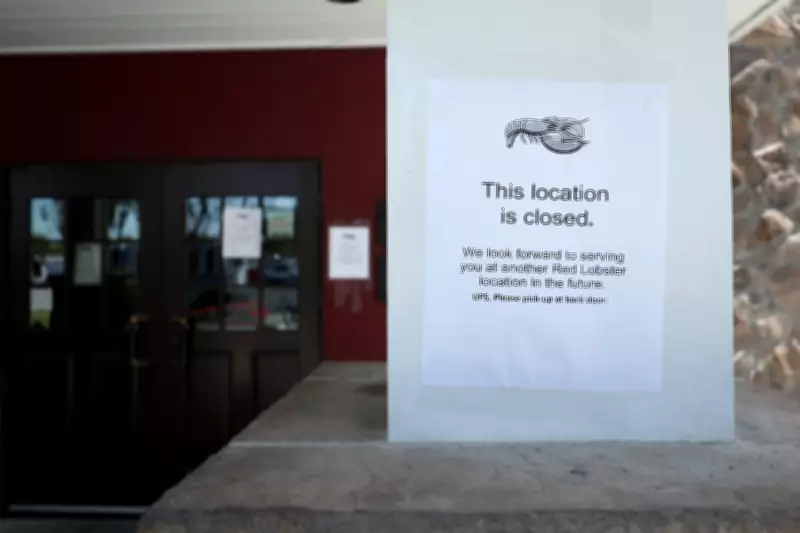
Red Lobster CEO Damola Adamolekun has revealed that the seafood restaurant chain will likely close more locations as it continues its efforts to recover from bankruptcy and rebuild its brand. Speaking in an interview with The Wall Street Journal, Adamolekun explained that management is currently reviewing restaurant leases and shutting underperforming sites to reduce costs and sharpen focus on stronger markets.
Financial Challenges and Strategic Downsizing
Despite a roughly 10 percent increase in sales compared to the previous year, Red Lobster has not yet returned to pre-bankruptcy performance levels. Adamolekun acknowledged that lingering financial pressures mean getting smaller may be the most realistic path back to profitability. The chain previously shuttered over 100 restaurants across dozens of states during its 2024 Chapter 11 process and laid off hundreds of workers as part of earlier restructuring efforts.
Red Lobster emerged from bankruptcy in September 2024 after being acquired by RL Investor Holdings LLC and receiving approximately $70 million in fresh investment. Adamolekun took the helm as CEO at that time, bringing new ideas to the menu and marketing strategies. "There's a lot of positive signs, but we inherited a very damaged brand, so there's still work to do to repair all of that," Adamolekun told the WSJ.

Historical Lease Issues and Operational Constraints
The current challenges stem from 2014, when Red Lobster's then-owner, Golden Gate Capital, sold most of the chain's properties to reduce debt. While the sale generated immediate cash, it created long-term financial difficulties through sale-leaseback agreements. These agreements required Red Lobster to continue paying rent on hundreds of locations, including many underperforming ones, often at rates exceeding market value.
Adamolekun noted that some restaurants could have closed much earlier if not for these lease arrangements, which tie weaker locations to stronger ones. The fixed costs from these leases have reduced operational flexibility and complicated efforts to restructure the chain's portfolio. He did not specify exactly how many restaurants might be affected by the upcoming closures or when changes would occur.
Brand Revival Initiatives and Future Growth Plans
Under Adamolekun's leadership, Red Lobster has implemented several initiatives to revitalize the brand:
- Overhauling the menu to include popular items like Seafood Boils, which went viral and helped boost customer visits
- Launching a happy hour to attract more customers
- Refreshing marketing strategies to promote a "new day" for the brand
- Introducing a "red carpet hospitality" program to elevate customer service
Looking ahead, Adamolekun plans to remodel some restaurants this year, with each upgrade costing about $500,000. Investors will provide additional funding to support these renovations. Once the chain addresses its weaker locations, growth could resume in areas with limited presence, such as upstate New York and New England, and potentially expand internationally through franchises. The company also aims to sell more branded products, like Cheddar Bay Biscuit mixes, in retail stores.
Market Response and Customer Feedback
Recent data shows some positive trends for Red Lobster. In July, the chain saw an 18 percent increase in customer visits from the previous year, according to mobile analytics firm Placer.ai. Market research firm Datassential found that while the chain still needs improvement in food quality, service, and overall experience, customers are noticing better value and returning more frequently.
"I watch the guest scores and the traffic improvement, because that ultimately determines the fate of the business," Adamolekun emphasized. The Seafood Boils remain on the menu due to their popularity, with prices starting around $28 and going up to $70 for multiple servings.
Red Lobster currently operates 550 outlets and faces broader industry challenges as customers become more cautious with spending amid rising prices. However, Adamolekun remains focused on steering the nearly 60-year-old brand toward sustainable recovery through strategic closures and targeted investments.