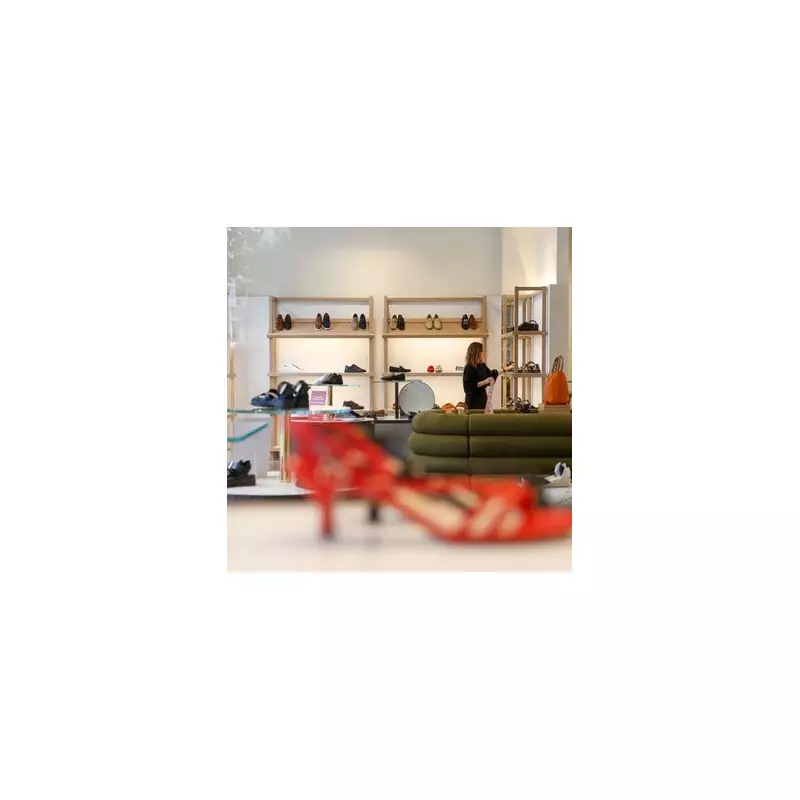
In a significant development for the UK retail sector, the iconic 147-year-old shoe chain Russell & Bromley has been rescued by fashion giant Next, though the future of 33 of its physical stores remains precarious. The deal, announced today, involves Next purchasing the Russell & Bromley brand and certain assets, but notably excludes 33 stores and nine concessions across the UK and Ireland. This leaves approximately 400 employees facing an uncertain outlook as joint administrators evaluate options for these locations, which could range from closure to potential new management under the Russell & Bromley name if agreements are reached with Next and store owners.
A Historic Brand Faces Modern Challenges
Founded in Sussex in 1879, Russell & Bromley has long traded on its British heritage and family-owned roots. However, the retailer has struggled in recent years amid a fiercely competitive market, with declining sales and widening losses prompting a strategic review. Andrew Bromley, chief executive and a family member, expressed the difficulty of the decision, stating, "Following a strategic review with external advisers, we have taken the difficult decision to sell the Russell & Bromley brand. This is the best route to secure the future for the brand, and we would like to thank our staff, suppliers, partners and customers for their support throughout our history."
Implications for Workers and the High Street
The exclusion of the 33 stores from the Next deal raises concerns about potential job losses and further strain on the UK high street. While these outlets will remain operational in the short term, administrators are actively assessing their viability, with outcomes dependent on negotiations with Next and property owners. This situation highlights broader trends in retail, where brand acquisitions often focus on intellectual property rather than physical footprints, leaving brick-and-mortar locations vulnerable.

In related financial news, the UK has seen mixed economic indicators. Inflation rose to 3.4% in December, marking the first increase in six months, driven largely by higher tobacco and airfare prices. Conversely, the housing market showed resilience, with annual house price growth lifting to 2.5% in November, up from 1.9% in October, according to the Office for National Statistics. Additionally, mortgage rates have seen slight declines, with the average two-year fixed rate falling to 4.77%, offering some relief to borrowers.
Consumer Advice and Savings Opportunities
Amid these economic shifts, consumer champion Martin Lewis has issued timely advice. He urged 14 million mobile phone customers out of contract to seek better deals to avoid overpaying by hundreds of pounds annually. Lewis also highlighted a "gobsmacking" savings product from Marcus, part of Goldman Sachs, offering 4.55% interest on a one-year fixed rate account that allows access to funds, albeit with penalties for early withdrawal. He noted this could be the last such high-rate opportunity in 2026, emphasizing its outlier status in the current financial landscape.
As the retail landscape evolves, the Russell & Bromley saga underscores the delicate balance between preserving heritage brands and adapting to market pressures. With Next securing the brand's future, attention now turns to the fate of its physical stores and the workers who depend on them.