Saks Fifth Avenue Files for Bankruptcy After $2.7 Billion Neiman Marcus Acquisition
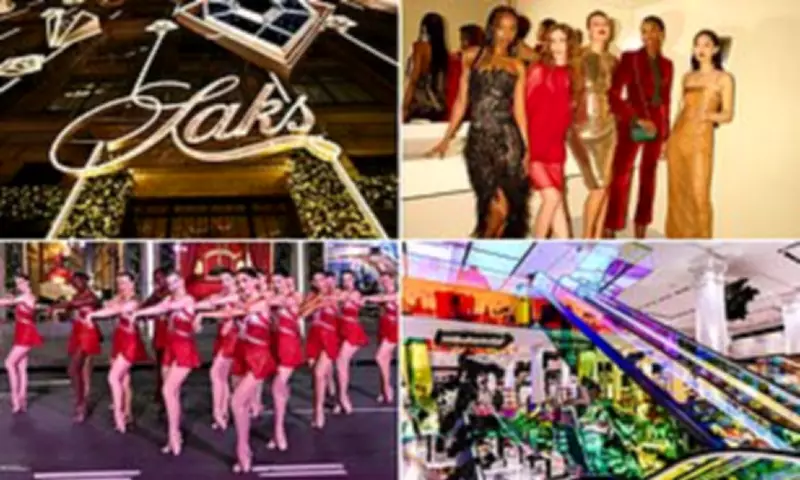
For over a century, Saks Fifth Avenue has stood as a temple of luxury on Manhattan's iconic Fifth Avenue, dressing generations of affluent shoppers in Chanel handbags, Prada gowns, and six-figure Tiffany & Co. jewels. However, the 102-year-old retail icon is now fighting for survival after a stunning collapse that experts attribute to a single, reckless decision: a $2.7 billion bet to acquire rival luxury department store Neiman Marcus.
A Risky Bet That Backfired
Saks Global, the parent company controlling Saks Fifth Avenue, its Saks Off 5TH outlet chain, Neiman Marcus, and the ultra-exclusive Bergdorf Goodman, filed for Chapter 11 bankruptcy protection after missing a crucial interest payment exceeding $100 million. This move marks the culmination of a highly leveraged acquisition that many insiders warned was dangerously over-ambitious.
Retail strategy consultant Steve Dennis, a former senior executive at Neiman Marcus, told the Daily Mail: "I don't know anyone with deep financial expertise in luxury retail who thought this deal structure made sense. Not the merger itself - that part was logical - but the structure. That's what puzzled everyone."

The deal, completed in December 2024, saddled Saks Global with between $3 billion and $4.7 billion in debt, largely financed through borrowed money. As luxury spending slowed and department stores struggled to compete with brands selling directly through their own boutiques and websites, the company's cash pressures mounted rapidly.
The Domino Effect of Debt
Daniel Gielchinsky, founder of DGIM Law, explained: "Saks Global filed for Chapter 11 mainly because of too much debt from buying Neiman Marcus, combined with weaker sales and cash-flow problems." Revenue fell roughly 10-13% as luxury brands reduced shipments, shelves grew thinner, and sales slid. Without fresh inventory, Saks—once famous for lavish designer displays—struggled to stock the labels shoppers expected.
Integration costs, restructuring expenses, and leadership upheaval added further strain. By early 2026, longtime CEO Marc Metrick had departed, with former Neiman Marcus Group leader Geoffroy van Raemdonck taking over following an interim period under executive chairman Richard Baker.
Retail strategist Carol Spieckerman echoed the sentiment: "The $2.7 billion Neiman Marcus acquisition was supposed to create an upscale fashion powerhouse - 'safety in numbers' portfolio building. Instead, it was an over-aggressive, over-leveraged boondoggle that saddled the company with crushing debt just as luxury spending was cooling."
Structural Challenges in Luxury Retail
Experts note that luxury shoppers haven't disappeared—Saks' financial cushion has. The bigger structural challenge is brand disintermediation, where luxury vendors bypass wholesalers and retailers to sell directly to consumers through their own e-commerce platforms and standalone boutiques.
Dennis highlighted: "For example, at NorthPark Center in Dallas - once one of Neiman Marcus's top locations - there were maybe three vendor standalone stores years ago. Now there are 25 or 30. That's happening everywhere." Amazon has also sought a foothold in fashion, though top brands often resist selling through the platform.
Chapter 11: Reorganization, Not Liquidation
Alex Hennick of AD Hennick & Associates clarified: "Saks Global filed for Chapter 11 bankruptcy protection, which is essentially a company reorganization rather than a liquidation. Chapter 11 will allow the company to continue operating, including Saks Fifth Avenue, Neiman Marcus, and Bergdorf Goodman, while it restructures its debts under court supervision."
Stores remain open while lenders and creditors negotiate behind the scenes. Neil Saunders of GlobalData noted: "Bankruptcy was always a likely destination for Saks, arguing management was 'too short-sighted' to act sooner. They hoped they'd have enough time to turn the business around or extract value before bankruptcy - but extremely poor sales made things unravel faster than anyone anticipated."

Billions Owed to Creditors
Court filings reveal Saks listed approximately $3.4 billion in funded debt. Among its largest unsecured creditors are Chanel ($136 million owed), Kering ($60 million), LVMH, Brunello Cucinelli, Burberry, and others. Spieckerman noted Saks shifted to 90-day payment terms before halting payments to some suppliers.
Jeanel Alvarado, Founder & CEO of RetailBoss, warned: "The creditor documents reveal roughly $720 million dollars owed to the 30 largest unsecured creditors." Smaller vendors not listed among the top 30 may be especially vulnerable, as a $2 million unpaid invoice could destroy a smaller manufacturer while large brands like Chanel can absorb financial hits.
Potential Lifelines and Future Outlook
One potential lifeline is real estate. Saks operates prime properties on Fifth Avenue in Manhattan and in Beverly Hills. Alvarado suggested: "Retail real estate often holds more value than the operating business. Those properties can be sold, leased back, or leveraged for additional financing. The bankruptcy process will likely include real estate monetization as part of the restructuring plan."
Most experts expect Saks to emerge smaller and more focused. Alvarado noted luxury demand is growing into 2026, and the brand still has value with prime locations. However, Dennis cautioned Saks will likely need to close roughly 10 more full-line stores and invest significantly in renovations and technology to compete with stunning standalone stores from rivals like Louis Vuitton and Prada.
The restructuring is expected to take 12 to 18 months. Saunders concluded: "The real lesson here is that retail businesses need to be run as retailers rather than as financial playthings. Saks Global did not fail because department stores are broken. It failed because it broke its own business model."
As Spieckerman put it: "Saks' bankruptcy is the canary in the coal mine for luxury department stores." In high fashion, even iconic names are not immune to financial gravity.