The glittering world of designer handbags and Manolo Blahniks has received a stark reality check. The parent company of the legendary Saks Fifth Avenue department store has filed for bankruptcy, casting doubt over the future of its flagship Manhattan location and signalling the end of an era for aspirational shopping.
A Love Story That Never Quite Was
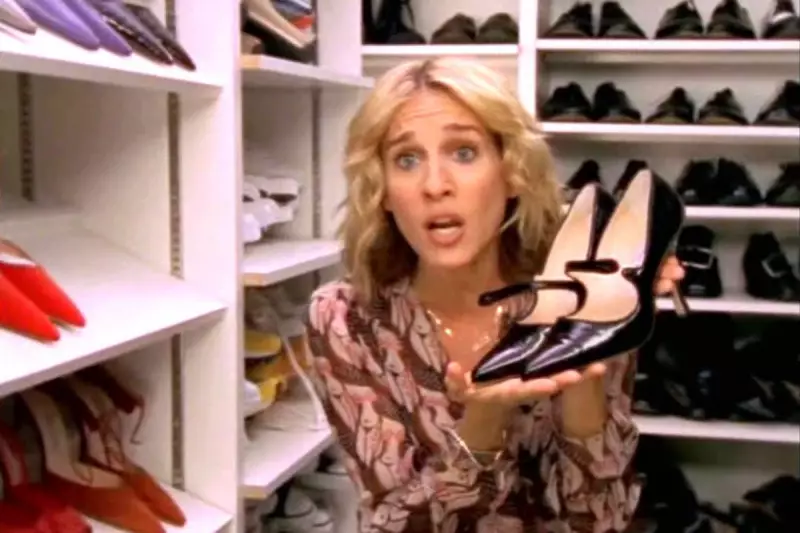
In a poignant twist for retail romantics, Saks's financial downfall highlights a curious pop-culture absence. Unlike its rivals Barneys, Bloomingdale’s, and Bergdorf Goodman, which became synonymous with Carrie Bradshaw and her friends, Saks Fifth Avenue never secured a starring role in the Sex and the City universe. It was, as one commentator put it, never Carrie's retail equivalent of Mr Big—a passionate, recurring obsession.
The store sought to rectify this missed opportunity with gusto when the sequel series, And Just Like That, launched. A major collaboration dubbed "SaksAndTheCity" featured immersive Fifth Avenue window displays and digital experiences, finally aligning the brand with Carrie and her cohort. The displays showcased iconic relics from the original series: Carrie's Fendi baguette, a cosmopolitan cocktail, and the voluminous Vivienne Westwood wedding dress from her abandoned nuptials.

A Collaboration Out of Time
However, this flashy partnership now appears as a glaring warning sign. The memorabilia celebrated the noughties heyday of the original show, not its 2020s revival. More critically, it failed to resonate with a profoundly changed audience. The show itself ended in 2025, with showrunner Michael Patrick King describing its conclusion as being in "a wonderful place."
Meanwhile, the economic landscape had shifted dramatically. A Barclays Consumer Spend report from December 2025 revealed that 47 per cent of consumers were actively cutting discretionary spending, with new clothing at the top of the list for cutbacks. In a telling sign of changed priorities, furniture and garden centres enjoyed a robust year—a far cry from the shoe-fuelled fantasies of Carrie's thirties.
Growing Up and Moving On
The core issue was a demographic disconnect. The women who adored Carrie's frivolous spending in the early 2000s have matured, grappling with mortgages, teenage children, divorce, and the realities of an age of austerity. The fantasy of storing cashmere in the oven has been replaced by the need for financial security. A Post-it note is no longer a tragic symbol of a breakup, but a vital reminder to buy toilet roll during perimenopause.
As the characters in And Just Like That evolved—with Carrie even relocating to Virginia—their audience's relationship with luxury consumption transformed. The collaboration attempted to position Saks as a timeless Mr Big, but in hindsight, the store may have been more akin to the character Aidan: a safe, nice-looking choice from the 2000s that proved disastrous in the sequel. The store, it seems, failed to realise its target audience had shifted from Jimmy Choo to Dr Scholl.
The bankruptcy filing, reported on Thursday 15 January 2026, marks a sobering moment for retail. It underscores that in today's economy, even the most glamorous of brands cannot survive on nostalgia alone if they fail to adapt to the practical and financial realities of their customers' lives.